
Hematologic Oncology
Latest News
Advertisement
Latest Videos









































Advertisement
More News
January 12, 2021 - Stopping combination treatment with venetoclax, lenalidomide, and rituximab after achieving minimal residual disease negativity in patients with relapsed/refractory mantle cell lymphoma is feasible.
Matthew Frigault, MD, discusses differences in the toxicities experienced with CAR T-cell products used in the treatment of patients with leukemias and lymphomas.
The development of additional molecularly targeted therapies and the search for enhanced immunotherapy regimens are expected to permeate the oncology landscape across a broad range of malignancies as 2021 unfolds.
Kendra Sweet, MD, discusses key findings from the OPTIC trial with ponatinib in chronic myeloid leukemia.
January 7, 2021 - The reversible BET inhibitor CC-90010 was found to have preliminary antitumor activity in patients with heavily pretreated, advanced solid tumors and relapsed/refractory non-Hodgkin lymphoma.
Kendra Sweet, MD, discusses efforts made to mitigate toxicities associated with ponatinib in patients with chronic myeloid leukemia.
January 6, 2021 - The MOMENTUM trial will randomize patients to receive momelotinib or danazol to determine which regimen shows more efficacy against the MF hallmarks of anemia, constitutional symptoms, and splenomegaly.
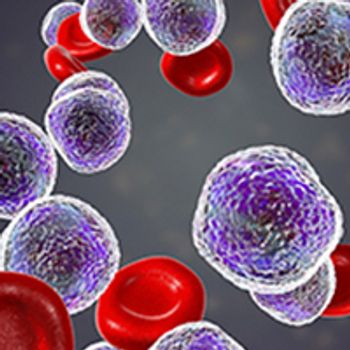
January 4, 2021 - The biologics license application for the CAR T-cell product lisocabtagene maraleucel in adult patients with relapsed/refractory large B-cell lymphoma following at least 2 previous therapies continues to be under regulatory review by the FDA, and a decision on the application has not yet been reached.
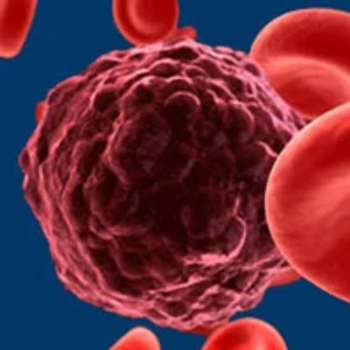
Treatment with iodine (131I) apamistamab (Iomab-B) conditioning led to a 100% bone marrow transplant rate and engraftment in patients with active relapsed/refractory acute myeloid leukemia who are older than 55 years old, according to results of a single ad hoc interim analysis of the phase 3 SIERRA study.
Joshua Brody, MD, discusses established and upcoming immunotherapies in the lymphoid malignancy pipeline.
In our exclusive interview, Brian Druker, MD, discusses his journey into the field of oncology, the research that led to the initial approval of imatinib, why awards don’t impact his view on cancer care, and how becoming a family man has made him a better physician and scientist.
December 23, 2020 — Findings from the International, Prospective ALCL-Relapse trial showed that allogeneic SCT after reinduction chemotherapy can lead to survival improvements in children and adolescents with high-risk relapsed or refractory anaplastic large cell lymphoma, provide more insight into how to treat this population.
Advertisement
Advertisement
Trending on OncLive
1
FDA Approves Zidesamtinib in Pretreated ROS1+ NSCLC
2
Ivonescimab Plus Chemotherapy Sustains OS Benefit Across Western and Asian Patients in Pretreated EGFR-Mutated NSCLC
3
NMPA Accepts Toripalimab Plus Chemotherapy Application for Expanded Stage II-III NSCLC Use
4
Dr Hoffmann on the Significance of Efficacy Data for Sonrotoclax Plus Zanubrutinib in MCL
5