

Hematologic Oncology
Latest News
Advertisement
Latest Videos
















































Advertisement
More News
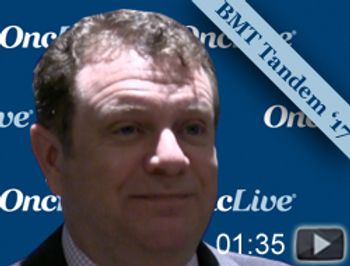
Bart Scott, MD, Fred Hutchinson Cancer Research Center, explains the importance of the intensity of conditioning for stem cell transplants.
Researchers hope the acquired ibrutinib resistance mutations BTK and PLCG2 can be used as biomarkers for early intervention opportunities in patients with chronic lymphocytic leukemia.
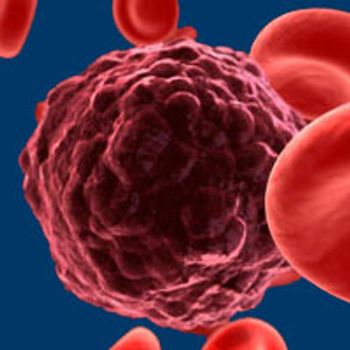
Treatment with an inactivated varicella zoster virus vaccine, known as V212, lowered the cumulative incidence rate of herpes zoster infection and complications for patients undergoing autologous hematopoietic stem cell transplantation.
Rates of early relapse post-autologous stem cell transplant in patients with relapsing multiple myeloma have not changed over time, but post-relapse survival among early relapsers has improved for patients transplanted after 2005 and for those relapsing since 2008.
Dr. Lancet of Moffitt Cancer Center explains the use of CPX-351 treatment compared to induction chemotherapy, for older adult patients with acute myeloid leukemia.
Partow Kebriaei, MD, discusses the Iomab-B clinical trial for older patients with acute myeloid leukemia.
Ruben A. Mesa, MD, chair of Hematology, Mayo Clinic, discusses how community oncologists can incorporate the NCCN Guideline for Myeloproliferative Neoplasms (MPNs) into clinical practice.
John M. Burke, MD, Rocky Mountain Cancer Centers, discusses the significant findings of the phase III GOYA study investigating obinutuzumab (Gazyva) plus CHOP in patients with previously untreated diffuse large B-cell lymphoma (DLBCL).

A wide-ranging clinical trial is investigating a novel method of determining treatment regimens for acute myeloid leukemia based on genomic testing for each individual patient.
The European Commission has expanded the indication for lenalidomide (Revlimid) to include use as a maintenance therapy for patients with multiple myeloma following autologous hematopoietic stem cell transplant.
Andre Goy, MD, discusses combination regimens and other developments in the evolving treatment landscape in mantle cell lymphoma.
More patients with acute myeloid leukemia could proceed to transplant following treatment with CPX-351 compared with the traditional 7+3 chemotherapy regimen.

The FDA has granted a priority review designation to inotuzumab ozogamicin for the treatment of patients with relapsed or refractory acute lymphoblastic leukemia.
Alex Herrera, MD, assistant professor, Department of Hematology and Hematologic Cell Transplantation, City of Hope, discusses next steps for a phase I/II study of brentuximab vedotin (Adcetris) in combination with nivolumab (Opdivo) in patients with relapsed or refractory Hodgkin lymphoma.
Martin S. Tallman, MD, hematologic oncologist, chief of Leukemia Service, Memorial Sloan Kettering Cancer Center, discusses the state of the science with regards to treatment of patients with acute myeloid leukemia (AML).
Sattva S. Neelapu, MD, associate professor, Department of Lymphoma/Myeloma, Division of Cancer Medicine, The University of Texas MD Anderson Cancer Center, discusses the design of the ZUMA-1 trial of the chimeric antigen receptor (CAR) T-cell therapy KTE-C19 for patients with aggressive lymphomas.
Stephen M. Ansell, MD, PhD, of Mayo Clinic, discusses the use of PD-1 inhibitors for patients with Hodgkin lymphoma.
David J. Straus, MD, an internist and hematologic oncologist at Memorial Sloan Kettering Cancer Center, discusses ongoing clinical trials in the field of Hodgkin lymphoma.

A supplemental biologics license application has been submitted to the FDA for the full regulatory approval of blinatumomab as a treatment for patients with Philadelphia chromosome-negative relapsed/refractory B-precursor acute lymphoblastic leukemia.
Preet M. Chaudhary, MD, PhD, chief of the Jane Anne Nohl Division of Hematology and Center for the Study of Blood Diseases, Department of Medicine, professor of Medicine, Ronald H. Bloom Family Chair in Lymphoma Research, and program director of the USC Norris Blood and Marrow Transplant Program, co-Leader of the Molecular Genetics Program, University of Southern California, discusses the short-term and long-term future of CAR T-cells.
A recent study published in the Journal of Clinical Oncology has found that Philadelphia chromosome-like acute lymphoblastic leukemia (ALL) accounts for over 20% of all adult patients with ALL and is correlated with poor outcomes.
Craig B. Reeder, MD, assistant professor of Medicine, Mayo Clinic, discusses some future treatment approaches for patients with aggressive lymphomas, including diffuse large B-cell lymphoma.
Sattva S. Neelapu, MD, associate professor, Department of Lymphoma/Myeloma, Division of Cancer Medicine, The University of Texas MD Anderson Cancer Center, discusses the next steps with KTE-C19, an anti-CD19 chimeric antigen receptor T-cell therapy explored in the ZUMA-1 trial for patients with aggressive lymphomas.
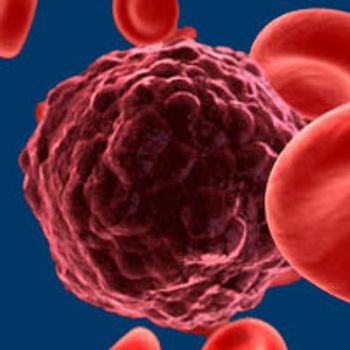
Patients with lymphoma who are treated with brentuximab vedotin (BV) often experience peripheral neuropathy as an adverse event and potentially dose-limiting toxicity. A novel study has shown that, despite the prevalence of this toxicity, these patients report that the better outcomes yielded from treatment with BV outweigh the risk of neuropathy.
Peter Martin, MD, discusses the efficacy of a combination regimen of ibrutinib and palbociclib in the treatment of patients with mantle cell lymphoma.
Advertisement
Advertisement
Trending on OncLive
1
FDA Accepts NDA for Daraxonrasib in Previously Treated Metastatic Pancreatic Cancer
2
FDA Approves Zidesamtinib in Pretreated ROS1+ NSCLC
3
Teclistamab Plus Talquetamab Yields Significant Survival Benefits in Earlier-Line R/R Myeloma
4
European Commission Approves Camizestrant Plus CDK4/6 Inhibition for Emergent ESR1-Mutated Advanced Breast Cancer
5