



Hematologic Oncology
Latest News

Advertisement
Latest Videos

















































Advertisement
More News
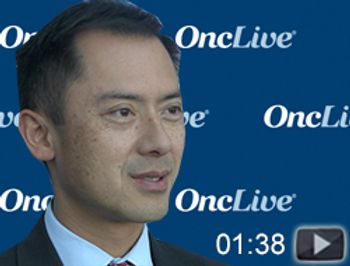
Andrew Wei, MBBS, PhD, clinical hematologist, head of Leukemia Research Group, Alfred Hospital, discusses venetoclax (Venclexta) plus chemotherapy in advanced myeloid leukemia (AML).

The FDA has granted a priority review to a supplemental biologics license application supporting the conversion of the accelerated approval of blinatumomab to a full approval as a treatment for patients with Philadelphia chromosome-negative relapsed/refractory B-precursor acute lymphoblastic leukemia.

The FDA has granted a priority review designation to tisagenlecleucel-T as a treamtnet for pediatric and young adult patients with relapsed and refractory B-cell acute lymphoblastic leukemia, making it the first CAR T-cell therapy to enter regulatory review.

Michelle A. Fanale, MD, associate professor, Department of Lymphoma/Myeloma, Division of Cancer Medicine, The University of Texas MD Anderson Cancer Center, discusses challenges with treatment options for patients with T-cell lymphoma.

The FDA's Oncologic Drugs Advisory Committee unanimously (11-0) recommended approval of subcutaneous rituximab for the treatment of patients with certain blood cancers.
Breast implants may increase an individual’s risk of developing anaplastic large cell lymphoma, a recent FDA advisory warned.
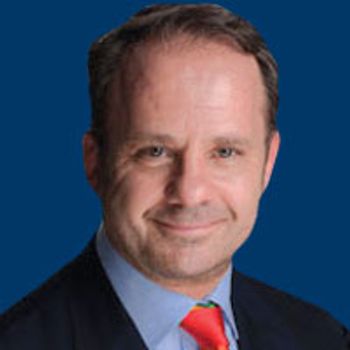
Andre Goy, MD, highlights what researchers can expect next in the field of mantle cell lymphoma, given recent pivotal data from clinical trials.

The EMA’s Committee for Medicinal Products for Human Use has recommended approval of pembrolizumab for the treatment of adult patients with relapsed or refractory classical Hodgkin lymphoma who have progressed following autologous stem cell transplant and brentuximab vedotin, or who are transplant-ineligible and have failed brentuximab vedotin.

Alfred L. Garfall, MD, MS, assistant professor of Medicine, the Hospital of the University of Pennsylvania, discusses the impact of chimeric antigen receptor (CAR) T-cell therapy in hematologic malignancies.

Hagop Kantarjian, MD, discusses the success of blinatumomab and next steps with the anti-CD19 agent.
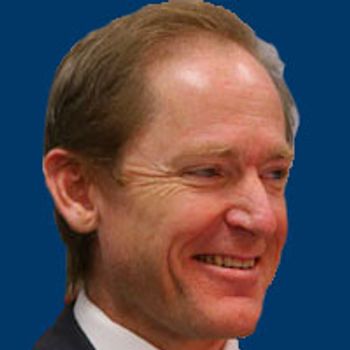
Mark Levis, MD, PhD, highlights the promise and potential challenges of the FLT3-inhibitor quizartinib in acute myeloid leukemia.
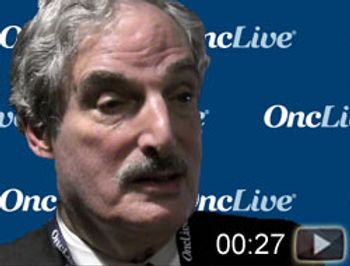
David J. Straus, MD, internist and hematologic oncologist, Memorial Sloan Kettering Cancer Center, discusses the FDA approval of pembrolizumab (Keytruda) as a treatment for patients with Hodgkin lymphoma.
The FDA has granted an accelerated approval to pembrolizumab (Keytruda) for the treatment of adult and pediatric patients with classical Hodgkin lymphoma (cHL) who are refractory or have relapsed after 3 or more lines of therapy.
The FDA has placed a partial clinical hold on trials of selinexor (KPT-330), which is being explored in several tumor types.

Imatinib continued to show dramatic overall survival benefits after nearly 11 years of follow-up despite crossover for patients with Philadelphia chromosome-positive chronic myelogenous leukemia in the chronic phase.

Sagar Lonial, MD, discusses recent advances that have revolutionized the treatment of patients with multiple myeloma.
FLT3 targeted agents are emerging in the treatment of acute myeloid leukemia, and which specific agent will be most effective is highly dependent on whether a patient has been previously treated.
The FDA has lifted its clinical hold on several phase I trials of the antibody-drug conjugate vadastuximab talirine (SGN-CD33A) in acute myeloid leukemia.

Leo I. Gordon MD, discusses results from the TRANSCEND trial and the next steps with chimeric antigen receptor T-cell therapy in non-Hodgkin lymphoma.

Juno therapeutics has shifted its focus toward the development of JCAR017 for relapsed/refractory diffuse large B-cell lymphoma after a series of toxicity-related setbacks culminated in the need to halt the development of JCAR015.

Treatment with blinatumomab (Blincyto) led to a median overall survival of 7.7 months versus 4 months with standard chemotherapy in patients with Philadelphia chromosome-negative relapsed or refractory B-cell precursor acute lymphoblastic leukemia, according to results from the phase III TOWER study published in The New England Journal of Medicine.

Single-agent ibrutinib induced a response rate of 90% at a median follow-up of 18.1 months in rituximab-refractory patients with Waldenstrom macroglobulinemia, according to results from an open-label substudy of the ongoing phase III iNNOVATE trial published in The Lancet Oncology.

The FDA has granted a priority review to a new drug application for enasidenib as a treatment for patients with relapsed or refractory IDH2-mutated acute myeloid leukemia.

Chimeric antigen receptor T-cell therapies have already produced clinical trial results that, even by the lofty standards set by emerging immunotherapies, have been stunning.
In an OncLive Peer Exchange® panel, experts discussed novel cytotoxic and targeted agents in the pipeline that are likely to provide new options for treating certain individuals with acute myeloid leukemia.
Advertisement
Advertisement
Trending on OncLive
1
FDA Accepts NDA for Daraxonrasib in Previously Treated Metastatic Pancreatic Cancer
2
Teclistamab Plus Talquetamab Yields Significant Survival Benefits in Earlier-Line R/R Myeloma
3
European Commission Approves Camizestrant Plus CDK4/6 Inhibition for Emergent ESR1-Mutated Advanced Breast Cancer
4
Dr Pant on the Potential Significance of Daraxonrasib for PDAC Management
5