


Hematologic Oncology
Latest News
Advertisement
Latest Videos


















































Advertisement
More News
Chimeric antigen receptor (CAR) T-cell therapies could spawn a new and lucrative industry in anticancer immunotherapy, resulting in single-infusion treatments costing hundreds of thousands of dollars, and even attracting medical tourism from abroad, where regulatory permissions are likely to come more slowly than in the United States.
Researchers have determined that CD30-specific CAR T cells could be used safely and induce durable complete responses in patients with Hodgkin lymphoma and anaplastic large cell lymphoma.

The FDA has granted a priority review to a supplemental biologics license application for brentuximab vedotin (Adcetris) for the treatment of patients with cutaneous T-cell lymphoma.
Julio Chavez, MD, of the Department of Malignant Hematology at Moffitt Cancer Center, shares his advice for oncologists treating patients with chronic lymphocytic leukemia.







Harry Erba, MD, PhD, professor of medicine, director, University of Alabama (UAB) Hematologic Malignancy Program, UAB School of Medicine, sheds light on the FDA approval of CPX-351 (Vyxeos) in acute myeloid leukemia (AML).

Patients with newly diagnosed mantle cell lymphoma assigned to frontline chemotherapy had a survival advantage when they were able to receiver higher dose intensities of bortezomib (Velcade).
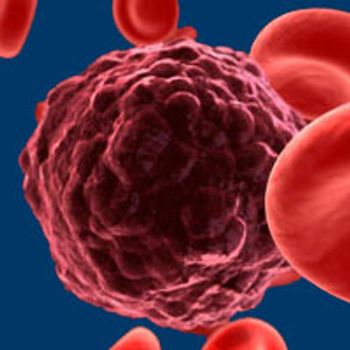
Researchers in China have concluded that mutation of the SF3B1 gene is “significantly associated” with poorer progression-free survival and overall survival in patients with chronic lymphocytic leukemia.
Long-term results from the Nordic MCL2 and MCL3 trials showed patients with mantle cell lymphoma who are positive for minimal residual disease following allogenic stem cell transplant had significantly shorter survival.
Gail Roboz, MD, a professor of Medicine and director of the Clinical and Translational Leukemia Program at Weill Cornell Medicine/NewYork-Presbyterian Hospital, discusses the challenges clinicians are facing with chimeric antigen receptor (CAR) T-cell therapy in acute lymphoblastic leukemia (ALL).
James F. Holland, MD, reminisces on nearly 70 years of practicing medicine.

Selinexor (KPT-330), a small-molecule inhibitor with a novel mechanism of action, is being investigated in patients with multiple myeloma who have become refractory to the many new options that have been introduced in recent years for patients with the malignancy.
Stephen M. Ansell, MD, PhD, chair of the Lymphoma Group at Mayo Clinic, discusses the possibility of blending immunotherapy agents with chimeric antigen receptor (CAR) T-cell therapy across lymphoma populations.
Advertisement
Advertisement
Trending on OncLive
1
FDA Accepts NDA for Daraxonrasib in Previously Treated Metastatic Pancreatic Cancer
2
Teclistamab Plus Talquetamab Yields Significant Survival Benefits in Earlier-Line R/R Myeloma
3
European Commission Approves Camizestrant Plus CDK4/6 Inhibition for Emergent ESR1-Mutated Advanced Breast Cancer
4
Dr Pant on the Potential Significance of Daraxonrasib for PDAC Management
5