
Hematologic Oncology
Latest News

Advertisement
Latest Videos





















































Advertisement
More News

Treatment with CD19 chimeric antigen receptor-modified T-cell therapy induced a high response rate in patients with high-risk, ibrutinib-refractory chronic lymphocytic leukemia.
Kendra Sweet, MD, discusses the various factors that must be taken into account when prescribing first-line therapies to patients with CML, novel studies, and TKI discontinuation.
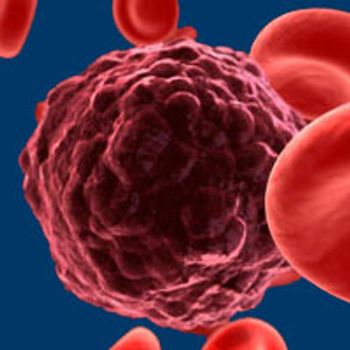
Venetoclax has received an FDA breakthrough therapy designation for use in combination with low dose cytarabine in treatment-naïve elderly patients with acute myeloid leukemia who are ineligible for intensive chemotherapy.

Rami Komrokji, MD, shares his insight on the various types of MPNs, how these diseases can be diagnosed and managed, and the next steps needed to improve patient outcomes.
The FDA has accepted supplemental Biologics License Applications seeking to add a second dosing schedule for nivolumab (Opdivo) across all of the PD-1 inhibitor’s monotherapy indications.
Mohamed Kharfan-Dabaja, MD, discusses the future of PNH treatment, the various symptoms that can present in PNH, and the challenges that still remain for further improving outcomes.

Sattva S. Neelapu, MD, discusses the latest results for axicabtagene ciloleucel (KTE-C19) for transplant-ineligible patients with relapsed/refractory non-Hodgkin lymphoma and the CAR T-cell therapy’s potential to be a new standard of care.

The European Medicines Agency's Committee for Medicinal Products for Human Use has recommended approval of obinutuzumab in the frontline setting for the treatment of patients with follicular lymphoma.
The European Medicines Agency's Committee for Medicinal Products for Human Use has recommended approval of midostaurin to treat adults with newly diagnosed acute myeloid leukemia who are FLT3 mutation-positive.

Jeffrey E. Lancet, MD, discusses new discoveries in the treatment of AML and challenges that remain in improving patient outcomes.

Bajil J. Shah, MD, discusses the significant impact CAR T-cell therapy can have on the treatment landscape for patients with acute lymphoblastic leukemia.

Oncologic Drugs Advisory Committee voted 10-0 today to recommend approval of a biologics license application for tisagenlecleucel (CTL019) for the treatment of patients aged 25 or younger with relapsed/refractory B-cell acute lymphoblastic leukemia.

The FDA’s Oncologic Drugs Advisory Committee voted 6-1 in favor of approving gemtuzumab ozogamicin (Mylotarg) in combination with daunorubicin and cytarabine for the treatment of patients with newly-diagnosed CD33-positive acute myeloid leukemia.

Christian Winther Eskelund, MD, discusses TP53 mutations in mantle cell lymphoma.

Bijal D. Shah, MD, medical oncology, of Moffit Cancer Center, explains why chimeric antigen receptor (CAR) T-cell therapy has shown the most progress in acute lymphoblastic leukemia (ALL).

The FDA has accepted a supplemental new drug application for dasatinib (Sprycel) for use in children with Philadelphia chromosome-positive chronic phase chronic myeloid leukemia (CP Ph+ CML).

Eric Smith, MD, PhD, discusses the response to CD19 CAR T-cell therapy in B-cell ALL.

Constantine S. Tam, MD, associate professor, Peter MacCullum Cancer Centre, discusses the toxicities of the phase II and phase III studies investigating the combination of ibrutinib (Imbruvica) plus venetoclax (Venclexta) for patients with mantle cell lymphoma (MCL).

The FDA has approved ClearLLab multicolor reagents (T1, T2, B1, B2, M) for the detection of chronic leukemia, acute leukemia, non-Hodgkin lymphoma, multiple myeloma, myelodysplastic syndrome, and myeloproliferative neoplasms.

Jia Ruan, MD, PhD, discusses some of the ongoing work in the field of T-cell lymphoma and the unanswered questions investigators are still facing for these patients

The first known trial of combined ublituximab (TG-1101), ibrutinib (Imbruvica), and umbralisib (TGR-1202) showed that the combination was well tolerated and had activity across heavily pretreated patients with high-risk B-cell malignancies.

Frontline brentuximab vedotin (Adcetris) was associated with improved progression-free survival compared with standard chemotherapy in patients with advanced classical Hodgkin lymphoma, according to results from the phase III ECHELON-1 clinical trial.
The combination of obinutuzumab and CC-122 was well tolerated and demonstrated promising response rates and durable remissions in patients with relapsed or refractory diffuse large B-cell lymphoma, follicular lymphoma, and marginal zone lymphoma.

Matthew J. Matasar, MD, discusses the potential of polatuzumab vedotin in patients with relapsed/refractory follicular lymphoma or diffuse large B-cell lymphoma.
Farhad Ravandi-Kashani, MD, professor, Department of Leukemia, The University of Texas MD Anderson Cancer Center, discusses vadastuximab talirine plus hypomethylating agents in acute myeloid leukemia.
Advertisement
Advertisement
Trending on OncLive
1
FDA Accepts NDA for Daraxonrasib in Previously Treated Metastatic Pancreatic Cancer
2
Teclistamab Plus Talquetamab Yields Significant Survival Benefits in Earlier-Line R/R Myeloma
3
European Commission Approves Camizestrant Plus CDK4/6 Inhibition for Emergent ESR1-Mutated Advanced Breast Cancer
4
Dr Pant on the Potential Significance of Daraxonrasib for PDAC Management
5