


Immuno-Oncology
Latest News
Pembrolizumab/Chemo Combo Significantly Boosts Survival in Esophageal Cancer
By Kristi Rosa
FDA Grants Durvalumab Priority Review for Fixed-Dose Use in NSCLC and Bladder Cancer
By Kristi Rosa
Advertisement
Latest Videos


CME Content

























Advertisement
More News

Jennifer L. Atlas, MD, discusses the current cutaneous squamous cell carcinoma treatment paradigm.

Bradley G. Somer, MD, discusses the clinical implications of the FDA approval of atezolizumab in combination with bevacizumab in unresectable or metastatic hepatocellular carcinoma.
The combination of ARID1A mutations and the immune signaling protein CXCL13 proved to be predictive of clinical response and prolonged survival after treatment with checkpoint inhibitors in patients with metastatic urothelial carcinoma.

Nina Shah, MD, discusses the updated efficacy findings of JNJ-4528 from the phase 1b/2 CARTITUDE-1 study in relapsed/refractory multiple myeloma.

Marianne Davies, DNP, MSN, RN, APRN, CNS-BC, ACNP-BC, AOCNP, discusses the management of immune-related adverse effects in patients who are receiving treatment with checkpoint inhibitors.
Nivolumab in combination with chemotherapy as a frontline treatment demonstrated a significant survival benefit in patients with metastatic gastric cancer, gastroesophageal junction cancer, or esophageal adenocarcinoma

Hung Khong, MD, discusses the potential benefit of combining immunotherapy with endocrine therapy in estrogen receptor–positive, HER2-negative breast cancer.

Nivolumab plus ipilimumab significantly improved overall survival versus chemotherapy in the first-line treatment of patients with unresectable malignant pleural mesothelioma.
Sintilimab injection plus pemetrexed and platinum-based therapy led to a statistically significant improvement in progression-free survival compared with chemotherapy alone as a first-line treatment for patients with locally advanced or metastatic nonsquamous non–small cell lung cancer.
Anne Chiang, MD, PhD, discusses the rationale for combining immunotherapy with chemotherapy in lung cancer.

Karen Kelly, MD, discusses the experimental window-of-opportunity studies with monotherapies in lung cancer.
In a special OncLive video program, The Board, Joshua M. Bauml, MD, led a discussion regarding key abstracts that were presented during the 2020 ASCO Virtual Scientific Program in extensive-stage SCLC and limited-stage SCLC.

David R. Gandara, MD, discusses the impact of immunotherapy on the tumor microenvironment in lung cancer.
Hung Khong, MD, discusses antiestrogen and immunotherapy combinations in ER-positive, HER2-negative breast cancer.
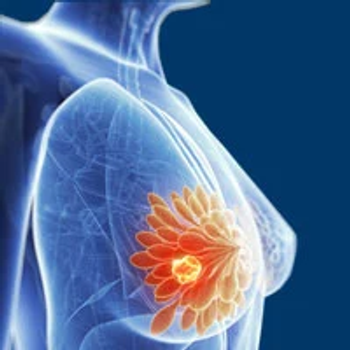
The FDA has accepted 2 supplemental biologics applications for pembrolizumab in patients with triple-negative breast cancer; these are the first US applications for the anti–PD-1 therapy in breast cancer.
Joshua K. Sabari, MD, discusses a number of immunotherapy regimens that have emerged in the frontline setting for patients with driver-negative advanced non–small cell lung cancer; however, for many patients, the decision comes down to pembrolizumab monotherapy or pembrolizumab in combination with platinum-doublet chemotherapy.

David R. Gandara, MD, discusses measuring tumor mutational burden in patients with non–small cell lung cancer who received prior immunotherapy.

Karen Kelly, MD, discusses encouraging preliminary data with neoadjuvant immunotherapy in lung cancer.
David A. Braun, MD, PhD, discusses unanswered questions regarding the utility of PD-1 blockade in advanced renal cell carcinoma.
Gary K. Schwartz, MD, discusses the clinical findings with the combination of nivolumab and ipilimumab in patients with dedifferentiated liposarcoma and undifferentiated pleomorphic sarcoma.
A new collaboration between the American Society of Clinical Oncology and the Association of Community Cancer Centers aims to encourage the enrollment of more racially and ethnically diverse patients with cancer onto clinical trials.

Treatment with immune checkpoint inhibitors did not increase the risk of mortality in patients with COVID-19 and cancer.

Pankti Reid, MD, MPH, discusses assessing immune-related adverse effects (irAEs) patients with cancer.
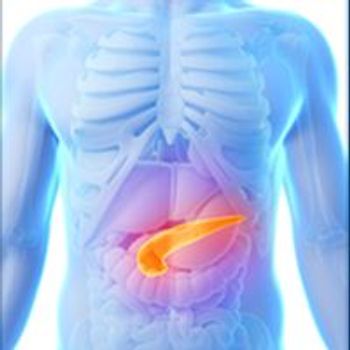
Investigators are working on a new generation of therapies that activate CD40, an immune checkpoint that helps promote an antitumor response by boosting T-cell–stimulatory signals.

Shilpa Gupta, MD, discusses challenges with perioperative immunotherapy in bladder cancer.
Advertisement
Advertisement
Trending on OncLive
1
Long-Term Cilta-Cel Data Show Low Rates of PFS Events in Standard-Risk R/R Myeloma
2
FDA Updates Axi-Cel Label to Remove Limitation of Use in R/R PCNSL
3
Real-World Data Support Clinical Benefit With Lifileucel in Previously Treated Advanced Melanoma
4
Nonresponse to Bridging Therapy and Peak ALC After Cilta-Cel Are Associated With Neurotoxicity, NRM in Myeloma
5