





Lung Cancer
Latest News
Advertisement
Latest Videos


































































Advertisement
More News

Eric M. Horwitz, MD, FABS, FASTRO, and Stephanie E. Weiss, MD, FASTRO, highlight ongoing research efforts with radiation therapy that are generating excitement at their institution.

The FDA has approved amivantamab-vmjw as the first treatment for adult patients with non–small cell lung cancer who harbor EGFR exon 20 insertion mutations.

Results of the National Lung Screening Trial demonstrated a 20% decrease in lung cancer mortality in individuals aged 55 to 74 years with a 30 pack-year smoking history using a low-dose computed tomography scan.

Bruna Pellini, MD, discusses the current state of treatment in ES-SCLC, the importance of including a diverse and representative patient population in clinical trials, and ongoing research in ES-SCLC.

Ullas Batra, MBBS, MD, DM, discusses the durability of targeted therapy in advanced NSCLC and the movement of targeted therapy and immunotherapy into earlier stages of disease.

Stereotactic body radiotherapy can safely be used to treat patients with oligometastatic disease with 3 to 4 metastases or 2 metastases in close proximity to each other, according to results from the phase 1 NRG-BR001 trial.

Bruna Pellini, MD, discusses the challenges of using topotecan as a comparator arm for second-line clinical trials in extensive-stage small cell lung cancer.
Adjuvant treatment with atezolizumab led to a significant improvement in disease-free survival vs best supportive care in patients with stage II to IIIA non–small cell lung cancer, particularly those with PD-L1–positive tumors, according to findings from the phase 3 IMpower010 trial.

Mark A. Socinski, MD, discusses the evolving paradigm of targeted therapy in lung cancer.

Roy S. Herbst, MD, PhD, was inspired to become an oncologist during his first week as an MD/PhD candidate at Cornell University and The Rockefeller University, thanks in part to Ralph L. Nachman, MD, longtime chair of Weill Department of Medicine at Weill Cornell Medical College.

A biologics license application for sintilimab injection plus pemetrexed and platinum-based chemotherapy for the frontline treatment of patients with nonsquamous non–small cell lung cancer has been accepted for FDA review.
Missak Haigentz Jr, MD, discusses the movement of osimertinib from the metastatic to adjuvant settings and ongoing research poised to improve outcomes for patients with EGFR-mutant NSCLC.

Joshua M. Bauml, MD, discusses the use of osimertinib in EGFR-mutant NSCLC, the utility of the agent as adjuvant therapy, and emerging targeted agents for patients with EGFR exon 20 insertions.

Thomas Urban Marron, MD, PhD, describes the patient population included in a phase 1 study examining the use of PGV-001, a neoantigen cancer vaccine, across different malignancies.

Neil Morganstein, MD, discusses the mechanism of action of lurbinectedin in metastatic small cell lung cancer.
Ralph Boccia, MD, and Jim Schwartz, RPh, discuss the overall impact the approval for trilaciclib will have on patients’ treatment outcomes, health care expenses, and quality of life.
Ralph Boccia, MD, and Jim Schwartz, RPh, build a discussion on the potential adverse effects of trilaciclib, including fatigue, hypocalcemia, hypokalemia, injection site reactions, pneumonitis, and interstitial lung disease.
An expert in the management of small cell lung cancer gives an in-depth review of the study design, safety, and efficacy of the clinical trials that led to the FDA approval of trilaciclib for chemotherapy-induced myelosuppression.


Xiuning Le, MD, PhD, discusses next steps with poziotinib (NOV120101, HM781-36B) in patients with EGFR-positive or HER2-positive exon 20–mutant non–small cell lung cancer.

Investigators are studying LN-145, a novel immunotherapy developed from autologous tumor-infiltrating lymphocytes, as a potential new option for patients with unresectable or metastatic non–small cell lung cancer after disease progression on a checkpoint inhibitor and chemotherapy.
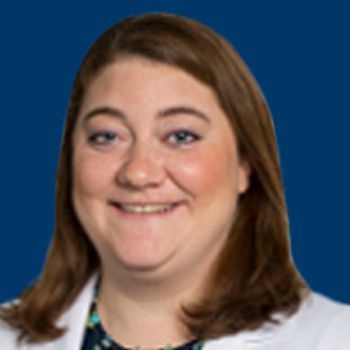
Sherri Cervantez, MD, discusses the utility of osimertinib in non–small cell lung cancer, as well as remaining questions regarding the treatment of patients who develop resistance to the third-generation EGFR inhibitor.

Findings from the pivotal phase 3 PACIFIC and ADAURA trials have not only led to paradigm shifts and served as the basis for ongoing research for patients with unresectable and resectable non–small cell lung cancer, respectively, but have emphasized the importance of distinguishing treatment options based on the presence or absence of an oncogenic driver.

Nagashree Seetharamu, MD, MBBS, discusses emerging targets in non–small cell lung cancer and the limitations of current biomarkers.
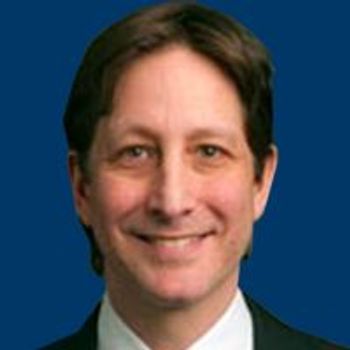
Neil Morganstein, MD, discusses the impact of lurbinectedin on the SCLC treatment paradigm and future research directions with the agent in this population.
Advertisement
Advertisement
Trending on OncLive
1
Five Under 5: Top Oncology Videos for the Week of 10/5/2026
2
Guardant360 CDx Receives European Approval as Companion Diagnostic for Camizestrant in ESR1-Mutated Advanced Breast Cancer
3
GI Cancer Monthly Rewind: Key News and Expert Insights You May Have Missed in September 2026
4
Armenia Grants First Marketing Authorizations to Botensilimab Plus Balstilimab in Previously Treated MSS mCRC
5