






Lung Cancer
Latest News
Advertisement
Latest Videos






































































Advertisement
More News

Insight on the outcomes seen with immunotherapy in non–small cell lung cancer with classical EGFR mutations or ALK rearrangements in the context of clinical study data.

The FDA has granted an orphan drug designation to the PD-1 inhibitor toripalimab as a potential therapeutic option for patients with small cell lung cancer.
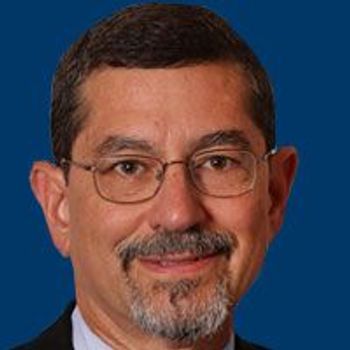
David P. Carbone, MD, PhD, discusses the evolution of immunotherapy and targeted therapy in non–small cell lung cancer and the importance of biomarker testing for personalized therapy.

A look at the challenges associated with different molecular testing methods and the barriers that patients with non–small cell lung cancer face in getting tested.
A panel of thought leaders describe the optimal sample to use in molecular testing in NSCLC and the appropriate time to perform testing in clinical practice.
The FDA has accepted for priority review a supplemental biologics license application for trastuzumab deruxtecan for the treatment of adult patients with unresectable or metastatic non–small cell lung cancer whose tumors have a HER2 mutation and who have received a prior systemic therapy.

Lung cancer management methods are rapidly evolving to encompass immunotherapy in the frontline setting and approved second-line options with tyrosine kinase inhibitors and monoclonal antibodies in non–small cell lung cancer, as well as treatment advances in first- and second-line small cell lung cancer.
Meghan Mooradian, MD, highlights best practices for identifying molecular alterations in NSCLC and addresses barriers to testing.
Expert perspective on the current landscape of actionable mutations and molecular profiling in non–small cell lung cancer management.

New treatment methods in patients with small cell lung cancer and non–small cell lung cancer are on the horizon, with the introduction of combination immunotherapy, biomarker assays, and supportive oncology programs for patients and care partners.

The addition of adebrelimab to chemotherapy elicited improved overall survival compared with chemotherapy and placebo in patients with extensive-stage small cell lung cancer.

The addition of canakinumab to frontline pembrolizumab and chemotherapy did not improve survival in previously untreated patients with locally advanced or metastatic non–small cell lung cancer. However, signals of activity were seen in patients with a baseline inflammatory biomarker high sensitivity-C-reactive protein.

SCC244, a highly selective MET inhibitor, demonstrated durable efficacy in patients with non–small cell lung cancer who harbored MET exon 14 skipping mutations.
Experts in lung cancer explain their views on the critical role of liquid biopsy in molecular testing in non–small cell lung cancer.
Oncologists provide insight into what actionable mutations they look for when they order molecular testing for patients with advanced non-small cell lung cancer.

Durvalumab plus either oleclumab, monalizumab, or damvatirsen led to an improvement in major pathologic response vs durvalumab alone as neoadjuvant therapy in patients with resectable, early-stage non–small cell lung cancer, according to findings from the phase 2 NeoCOAST clinical trial.

The combination of nivolumab plus platinum-doublet chemotherapy led to a significant improvement in event-free survival compared with chemotherapy alone as neoadjuvant treatment in patients with resectable non–small cell lung cancer, according to findings from the phase 3 CheckMate 816 trial.

Patients with extensive-stage small cell lung cancer whose disease harbors inflamed or YAP1 molecular subtypes may be more likely to derive superior overall survival benefit from durvalumab and chemotherapy vs those with other overexpressed biomarkers.

Sotorasib demonstrated an overall survival rate of 32.5% at 2 years in patients with KRAS G12C–mutant non–small cell lung cancer, according to longer follow-up data from the phase 1/2 CodeBreaK 100 trial.
The use of trilaciclib prior to chemotherapy resulted in a 50% reduction in the percent of patients with extensive-stage small cell lung cancer who had grade 3 or higher myelosuppressive hematologic adverse effects in at least 1 blood cell lineage.

Marketing authorization applications seeking the approval of tislelizumab in patients with advanced or metastatic esophageal squamous cell carcinoma following previous systemic chemotherapy and in select patients with non–small cell lung cancer have been submitted to the European Medicines Agency.
This publication highlights insights from expert stakeholders on the evolving therapeutic landscape of immunotherapy-based treatment regimens through a review of clinical scenarios of patients with non-small cell lung cancer.

David Spigel, MD, discusses potential upcoming developments in targeted therapies for non–small cell lung cancer.

Roy S. Herbst, MD, PhD, discusses the evolving treatment landscape of targeted therapies in non–small cell lung cancer.

Charu Aggarwal, MD, MPH, discusses the optimal use of next-generation sequencing in molecular testing in non–small cell lung cancer.
Advertisement
Advertisement
Trending on OncLive
1
Five Under 5: Top Oncology Videos for the Week of 10/5/2026
2
Guardant360 CDx Receives European Approval as Companion Diagnostic for Camizestrant in ESR1-Mutated Advanced Breast Cancer
3
GI Cancer Monthly Rewind: Key News and Expert Insights You May Have Missed in September 2026
4
The OncFive: Top Oncology Articles for the Week of 10/4/2026
5