

A prespecified subgroup analysis of the phase 3 lidERA trial showed an iDFS benefit with adjuvant giredestrant over SOC endocrine therapy in this population.
A prespecified subgroup analysis of the phase 3 lidERA trial showed an iDFS benefit with adjuvant giredestrant over SOC endocrine therapy in this population.

Bezuclastinib plus sunitinib decreased the risk of progression or death by 50% compared with sunitinib monotherapy in GIST.
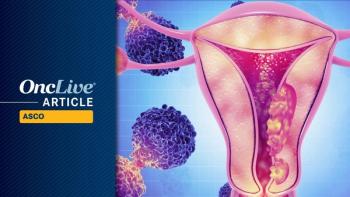
The B7-H4-directed ADC puxitatug samrotecan elicited responses in approximately half of patients with B7-H4-expressing recurrent or progressive endometrial cancer.

Seven-year follow-up from the CROWN trial has set a tall benchmark for the agents that followed it on the podium at the 2026 ASCO Annual Meeting in oncogene driven NSCLC.

Roughly two-thirds of high-risk patients had low Prosigna scores and could safely omit adjuvant chemotherapy without compromising 5-year IBCFS.

LY4052031 demonstrated promising clinical activity after disease progression on enfortumab vedotin in metastatic urothelial carcinoma.
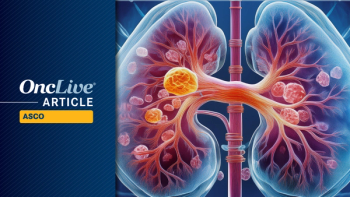
Adjuvant durvalumab plus tremelimumab significantly improved DFS vs active monitoring in both high- and intermediate-risk resected RCC.
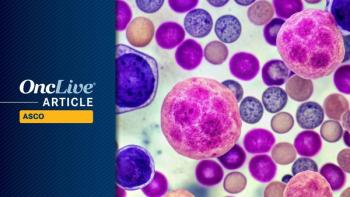
Mezigdomide plus carfilzomib and dexamethasone significantly improved PFS in patients with relapsed or refractory multiple myeloma.
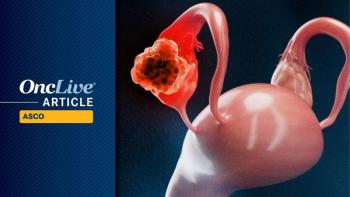
Relacorilant plus nab-paclitaxel displayed OS benefit irrespective of prior taxane exposure or taxane-free interval in platinum-resistant ovarian cancer.

Results from the phase 3 MajesTEC-9 trial show superior PFS, OS, and ORR outcomes with teclistamab monotherapy in pretreated relapsed/refractory myeloma.
The phase 3 WU-KONG28 data showed that first-line sunvozertinib improved PFS and ORR vs chemotherapy in EGFR exon 20–mutant NSCLC.

Extended follow-up data from NRG-GY018 show a sustained OS benefit with pembrolizumab plus chemotherapy regardless of MMR status or post-study ICI therapy.
Final analysis of DREAMM-9 shows promising efficacy data and an optimal dosing schedule for BVRd in transplant-ineligible newly diagnosed multiple myeloma.
Chiauranib plus weekly paclitaxel cut the risk of progression or death by 57% vs placebo plus paclitaxel in platinum-resistant or refractory ovarian cancer.

The combination cut the risk of progression or death by 65% in the first phase 3 trial of an ADC plus pembrolizumab in this setting.

Amivantamab plus lazertinib led to a median OS of 41.0 months in EGFR-mutated advanced NSCLC.
Long-term follow-up from the RUBY trial showed few progression events and potential for curative intent in dMMR/MSI-H endometrial cancer.

At the 2026 ASCO Annual Meeting, results from the 7-year update of the phase 3 CROWN study were presented.

Poll results reflected some of the most anticipated presentations and fields of interest in hematologic oncology at the 2026 ASCO Annual Meeting.
Poll results reflect some of the most anticipated presentations and fields of interest in gynecologic oncology at the 2026 ASCO Annual Meeting.

Ahead of the 2026 ASCO Annual Meeting, results from the phase 3 FIGHT-302 study have been announced.
Hematologic oncology experts preview the top ASCO 2026 abstracts to watch in myeloma, MPNs, large B-cell lymphoma, and more.

Discover which gynecologic cancer abstracts experts believe may affect evolving treatment paradigms and patient care discussions at ASCO 2026.

GU experts identified key abstracts of interest from the upcoming ASCO Annual Meeting via OncLive’s social media.
Polls highlighted key abstracts of interest from the upcoming ASCO Annual Meeting.
Ahead of the 2026 ASCO Annual Meeting, experts in GI malignancies share the most anticipated research being presented during the meeting.

We spoke with leading voices in GU oncology to see which presentations they are most looking forward to during the 2026 ASCO Annual Meeting.

Lung cancer experts rank key abstracts of interest from the upcoming ASCO Annual Meeting on OncLive’s social media.

Readers share their opinions on some of the most talked-about breast cancer abstracts they’re looking forward to seeing at ASCO 2026.
Experts spotlight the triple-negative breast cancer abstracts they’re most excited to see at the 2026 ASCO Annual Meeting.