

Olverembatinib showed antitumor activity in patients with TKI-resistant, SDH-deficient GISTs and paraganglioma.
Olverembatinib showed antitumor activity in patients with TKI-resistant, SDH-deficient GISTs and paraganglioma.
TTFields therapy plus best supportive care increased time to first intracranial progression by 10.6 months in patients with NSCLC brain metastases.

Jennifer R. Eads, MD, discusses neoadjuvant pCR rates with the addition of nivolumab to neoadjuvant chemoradiation in esophageal/GEJ cancer.

Jean-Marc Classe, MD, PhD, discusses lymphadenectomy omission following cytoreductive surgery after chemotherapy in advanced epithelial ovarian cancer.

Petosemtamab paired with pembrolizumab had early clinical efficacy when used as first-line treatment in select head and neck squamous cell carcinoma

Nivolumab plus ipilimumab and chemotherapy elicited a durable, long-term survival benefit vs chemotherapy alone in metastatic NSCLC.

Bradley McGregor, MD, discusses the DAD-IO trial of sacituzumab govitecan, enfortumab vedotin, and pembrolizumab in metastatic urothelial cancer.

Daratumumab plus VRd increased rates of MRD negativity in newly diagnosed, transplant-eligible multiple myeloma.
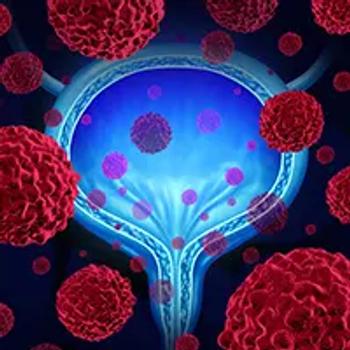
The addition of avelumab to cisplatin-based chemotherapy led to high event-free survival and overall survival rates in patients with muscle-invasive urothelial carcinoma.

Isatuximab plus VRd produced a statistically significant improvement in PFS vs VRd in newly diagnosed, transplant-ineligible multiple myeloma.

In a phase 2 trial, all 42 patients with locally advanced mismatch repair–deficient rectal cancer achieved clinical complete response with dostarlimab.

Neoadjuvant nivolumab/chemotherapy, followed by surgery and adjuvant nivolumab, significantly improved EFS in stage III N2 and stage III non-N2 NSCLC.

Datopotamab deruxtecan demonstrated comparable intracranial activity and safety in pretreated patients with NSCLC with or without brain metastases.

Thierry Facon, MD, discusses findings from the phase 3 IMROZ trial investigating Isa-VRd in patients with newly diagnosed multiple myeloma.

Kevin Kalinsky, MD, MS, on abemaciclib plus fulvestrant in HR-positive/HER2-negative advanced breast cancer after progression on a CDK4/6 inhibitor and endocrine therapy.

Neoadjuvant nivolumab with chemotherapy led to durable EFS benefit and a trend toward improved OS vs chemotherapy alone in patients with resectable NSCLC.
Long-term DFS and OS outcomes with adjuvant atezolizumab in stage II to IIIA NSCLC were consistent with prior data from the IMpower010 trial.

Circulating kidney injury molecule-1 (KIM-1) may be a biomarker for minimal residual disease (MRD), disease recurrence, and benefit from adjuvant atezolizumab (Tecentriq) in patients with renal cell carcinoma (RCC) at increased risk of recurrence.
Lenvatinib plus pembrolizumab displayed a superior clinical benefit vs sunitinib irrespective of patient biomarker subtype in advanced clear cell RCC.
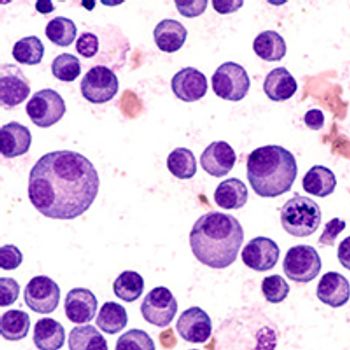
Tocilizumab plus teclistamab step-up dosing showed efficacy and a mainly mild safety profile in patients with relapsed/refractory multiple myeloma.
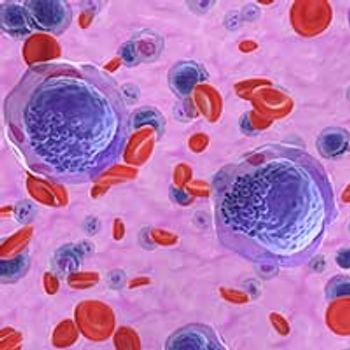
Treatment with BVd elicited PROs comparable with those who were treated with DVd in relapsed/refractory multiple myeloma.

Enfortumab vedotin plus pembrolizumab did not negatively affect quality of life in patients with advanced urothelial carcinoma.
Treatment with a decreased dosing schedule of oral azacitidine was consistent with what has been previously known about the agent in intermediate-risk myelodysplastic syndrome.

Belantamab mafodotin plus bortezomib and dexamethasone improved median progression-free survival vs daratumumab plus bortezomib and dexamethasone in relapsed/refractory multiple myeloma.

Arndt Vogel, MD, on the final overall survival data for camrelizumab plus rivoceranib in unresectable hepatocellular carcinoma.

Suresh S. Ramalingam, MD, FACP, FASCO, discusses findings with osimertinib after definitive chemoradiotherapy in unresectable EGFR-mutated NSCLC.

Rivoceranib plus camrelizumab maintained a survival benefit vs sorafenib in advanced, unresectable hepatocellular carcinoma.

The addition of atezolizumab to bevacizumab and chemotherapy did not significantly improve overall survival or progression-free survival in patients with recurrent ovarian cancer.
Integrating liver transplantation into treatment with chemotherapy improved survival at 5 years vs chemotherapy alone in patients with definitively unresectable CRC liver metastases.

Using CD8-positive, PD-1-positive, TIM3-negative, and LAG3-negative TILs as a biomarker was not associated with improved clinical outcomes for patients with mccRCC treated with nivolumab plus ipilimumab.