
A greater portion of patients with metastatic castration-sensitive prostate cancer achieved an early and deep prostate-specific antigen reduction from baseline of 90% or more when treated with apalutamide compared with enzalutamide.
A greater portion of patients with metastatic castration-sensitive prostate cancer achieved an early and deep prostate-specific antigen reduction from baseline of 90% or more when treated with apalutamide compared with enzalutamide.

Fred Saad, MD, FRCS, discusses the efficacy of olaparib plus abiraterone acetate as first-line treatment in metastatic castration-resistant prostate cancer.

Axel Merseburger, MD, PhD, discusses results from the phase 3b PRESIDE trial in metastatic castration-resistant prostate cancer.

Andrew J. Armstrong, MD, MSc, discusses findings from a post-hoc analysis of the phase 3 ARCHES trial in metastatic hormone-sensitive prostate cancer.

February 13, 2021 - Cabozantinib resulted in a statistically significant and clinically meaningful prolongation of progression-free survival compared with sunitinib in patients with metastatic papillary renal cell carcinoma.

February 13, 2021 - Lenvatinib in combination with pembrolizumab resulted in improved overall survival, progression-free survival, and objective response rate over sunitinib in the frontline treatment of patients with advanced renal cell carcinoma.
February 13, 2021 - Belzutifan used in combination with cabozantinib shrank tumors for 88% of patients and the disease control rate was 90% for patients with previously treated advanced clear cell renal cell carcinoma.

February 13, 2021 - Certain molecular signatures at baseline were found to be independently linked with long-term response to apalutamide in patients with nonmetastatic castration-resistant prostate cancer.

February 13, 2021 - Bacillus calmette-guérin plus N-803 demonstrated promising responses with a tolerable safety profile when used in patients with BCG-unresponsive, non–muscle-invasive bladder cancer carcinoma in situ

February 13, 2021 - Reductions in prostate-specific antigen screening are likely responsible for the recent increase in metastatic prostate cancer cases in the United States.

February 13, 2021 - 18F-DCFPyL, an investigational prostate-specific membrane antigen PET imaging agent, was found to detect and localize metastatic lesions with a high correct localization rate and positive predictive value.

Patrick Pilie, MD, discusses the impact of adiposity on response to androgen signaling inhibition in patients with metastatic castration-resistant prostate cancer.

Tanya Dorff, MD, discusses the effects of bright white light therapy on obese frailty in older men with prostate cancer.

February 13, 2021 - Enfortumab vedotin was found to have superior efficacy over chemotherapy when used in patients with advanced urothelial carcinoma who had received prior platinum-based chemotherapy and PD-1/L1 inhibition.

February 13, 2021 - Treatment with apalutamide plus androgen-deprivation therapy reduced the risk of death by 35% versus ADT alone in patients with metastatic castration-sensitive prostate cancer.

February 13, 2021 - Nivolumab following surgery extended disease-free survival compared with placebo for patients with muscle-invasive urothelial carcinoma.

February 12, 2021 - Enfortumab vedotin elicited the highest response rates observed for any regimen examined in cisplatin-ineligible patients with locally advanced or metastatic urothelial cancer who received prior PD-1/PD-L1 inhibitors.
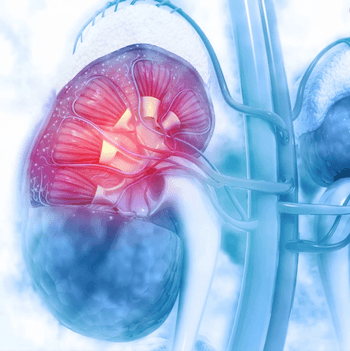
February 12, 2021 - Cabozantinib demonstrated significant intracranial and extracranial responses in patients with metastatic renal cell carcinoma who have brain metastases.

Cristiane Bergerot PhD, MS, BS, discusses how a higher starting dose of lenvatinib, to be combined with everolimus, can improve health-related quality of life in patients with renal cell carcinoma, as demonstrated in a phase 2 open-label trial.

February 12, 2021 - The combination of nivolumab and cabozantinib continued to showcase a superior survival benefit over single-agent sunitinib when used as first-line treatment in patients with advanced renal cell carcinoma.

Eleni Efstathiou, MD, discusses the key findings of the placebo-controlled, double-blind phase 3 ACIS study of apalutamide and abiraterone acetate plus prednisone versus prednisone alone in patients with chemotherapy-naïve metastatic castration-resistant prostate cancer.
February 12, 2021 - Tivozanib led to a significantly greater quality-adjusted time without symptoms of disease and toxicity as third- or fourth-line therapy versus sorafenib in patients with metastatic renal cell carcinoma.

February 12, 2021 - Crossover from placebo to darolutamide appeared to have minimal impact on the overall survival benefit experienced by patients with nonmetastatic castration-resistant prostate cancer who were enrolled to the pivotal phase 3 ARAMIS trial.

February 12, 2021 - Atezolizumab monotherapy showed favorable outcomes compared with chemotherapy alone as frontline treatment for patients with cisplatin-ineligible IC2/3 advanced or metastatic urothelial carcinoma.

February 12, 2021 - The novel prostate specific membrane antigen–targeted radiopharmaceutical for PET imaging technique, 18F-DCFPyL, demonstrated potential in identifying occult prostate cancer and more accurately characterizing disease burden.

February 12, 2021 - The androgen receptor inhibitor darolutamide continues to show favorable tolerability in patients with nonmetastatic castration-resistant prostate cancer, even when given for a prolonged period of time.
February 12, 2021 - Patients with advanced renal cell carcinoma reported improved health-related quality of life when treated with nivolumab plus cabozantinib compared with sunitinib