

Romanos Sklavenitis-Pistofidis, MD, discusses single-cell dissection of bone marrow and peripheral blood immune cells in smoldering multiple myeloma.
Romanos Sklavenitis-Pistofidis, MD, discusses single-cell dissection of bone marrow and peripheral blood immune cells in smoldering multiple myeloma.

Mattia D'Agostino, MD, discusses factors that could lead to unsustained minimal residual disease negativity in patients with newly diagnosed multiple myeloma who are transplant eligible.

Induction and consolidation therapy with a combination comprised of daratumumab, carfilzomib, lenalidomide, and dexamethasone allowed 70% of patients with high-risk, newly diagnosed multiple myeloma to complete a second autologous stem cell transplant.
Isatuximab plus pomalidomide and dexamethasone elicited favorable progression-free survival and proved tolerable in pretreated patients with relapsed/refractory multiple myeloma.

Isatuximab-containing regimens displayed favorable toxicity in patients with relapsed/refractory multiple myeloma in a real-world study.
Patient outcomes across the multiple myeloma landscape have vastly improved with the approval of multiple agents in the treatment armementarium, such as belantamab mafodotin-blmf, selinexor, and ciltacabtagene autoleucel.

The addition of ixazomib to daratumumab, pomalidomide, and dexamethasone has elicited deep and durable response rates with a manageable safety profile as salvage therapy in patients with relapsed/refractory multiple myeloma.
Patients with multiple myeloma can mitigate the common oral and dermatologic toxicities associated with talquetamab with early intervention tactics.

Fredrik Schjesvold, MD, PhD, discusses key takeaways from the phase 3 OCEAN trial that was done in patients with relapsed/refractory multiple myeloma.

Melphalan flufenamide (melflufen) plus dexamethasone demonstrated an improvement in progression-free survival vs pomalidomide/dexamethasone in patients with transplant-naïve relapsed/refractory multiple myeloma.

Minimal residual disease–based consolidation therapy comprised of daratumumab, carfilzomib, lenalidomide, and dexamethasone was found to induce quick responses and unprecedented rates of MRD negativity in patients with newly diagnosed multiple myeloma.

Larry Anderson, MD, PhD, discusses outcomes with idecabtagene vicleucel in patients with relapsed/refractory multiple myeloma, as demonstrated in the phase 2 KarMMa trial.

Elranatamab elicited encouraging responses with a manageable toxicity profile when used alone or in combination with lenalidomide in patients with relapsed/refractory multiple myeloma, with efficacy observed even in those who received prior BCMA-directed therapy or who were triple-class refractory, according to data from the phase 1 MagnetisMM-1 trial.

The CAR T-cell therapy ciltacabtagene autoleucel has emerged as a potentially durable treatment strategy for patients with relapsed/refractory multiple myeloma who have progressed on 1 to 3 prior lines of treatment and are refractory to lenalidomide.

Idecabtagene vicleucel continued to elicit frequent, deep, and durable responses among patients with heavily pretreated relapsed/refractory multiple myeloma irrespective of whether patients received 3 or at least 4 prior therapies.

Talquetamab, an off-the-shelf T-cell redirecting, GP3C5D-targeting agent, has continued to show promising clinical activity in patients with relapsed/refractory multiple myeloma, especially when given at the recommended phase 2 dose of 405 µg/kg weekly in subcutaneous formulation.

Vaishali Sanchorawala, MD, discusses the impact of renal and cardiac response on survival in patients with light chain amyloidosis.

Nina Shah, MD, discusses the clinical implications of idecabtagene vicleucel in patients with relapsed/refractory multiple myeloma.
The effectiveness of this treatment in patients with multiple myeloma may be an option for a patient population who represent an unmet need.

The safety and efficacy of the quadruplet regimen of fixed-dose isatuximab-irfcc in combination with bortezomib, lenalidomide, and dexamethasone were confirmed for patients with newly diagnosed multiple myeloma with no immediate intent for transplant.
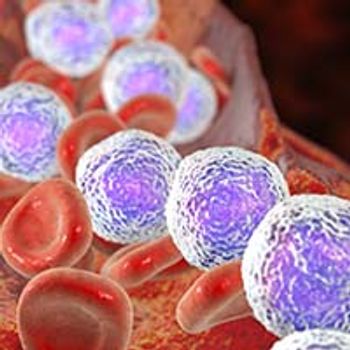
For patients with myeloma have undergone an autologous stem cell transplant and are currently on maintenance therapy with lenalidomide, minimal residual disease may be a powerful predictor of outcomes.

Older patients with newly diagnosed multiple myeloma who are ineligible for chemotherapy or transplant may derive a greater benefit when treated with daratumumab plus lenalidomide and dexamethasone compared with lenalidomide and dexamethasone.

Iberdomide combined with dexamethasone and either daratumumab, bortezomib, or carfilzomib showed efficacy and tolerability in patients with relapsed or refractory multiple myeloma.

Edward A. Stadtmauer, MD, discusses the use of selinexor in patients with heavily pretreated, relapsed/refractory multiple myeloma.

Sundar Jagannath, MD, discusses the use and toxicity profile of selinexor in multiple myeloma treatment.
Ajai Chari, MD, discusses the use of selinexor in multiple myeloma treatment.

The all-oral triplet regimen of 60 mg of weekly selinexor plus lenalidomide and dexamethasone appears to be highly active and well-tolerated in patients with relapsed, refractory multiple myeloma, particularly in patients who did not receive prior lenalidomide, according to results of the multi-arm STOMP study that were presented during the 17th International Myeloma Workshop.
Paul G. Richardson, MD, clinical program leader and director of clinical research, Jerome Lipper Multiple Myeloma Center, and institute physician, Dana-Farber Cancer Institute, discusses interim results of the phase II HORIZON trial in relapsed/refractory multiple myeloma.
Maria-Victoria Mateos, MD, PhD, associate professor of medicine, and director of the Myeloma unit at the University Hospital of Salamanca in Spain, discusses the impact of performance status on the outcomes of patients with multiple myeloma in the phase III ARROW trial.
AMG 701, a half-life–extended anti-BCMA bispecific T-cell engager, showed promising in vitro antimyeloma activity and characteristics suitable for once-weekly dosing in patients with multiple myeloma, according to findings presented at the 17th International Myeloma Workshop.