
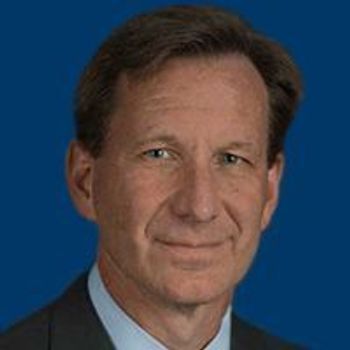
Norman E. “Ned” Sharpless, MD, discusses the efforts that The National Cancer Institute has made to combat the coronavirus disease 2019 pandemic.
Norman E. “Ned” Sharpless, MD, discusses the efforts that The National Cancer Institute has made to combat the coronavirus disease 2019 pandemic.

A significant decline in cancer screenings, biopsies, surgeries, office visits, and therapies was observed with variation by cancer type and site of service among senior patients with cancer from March to July 2020, during the coronavirus disease 2019 pandemic.
Mentoring is critically important to the development of young academic hematology/oncology trainees.
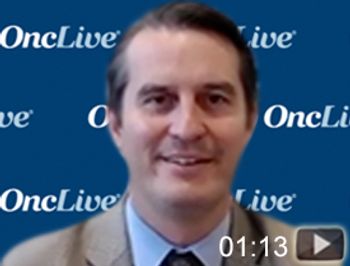
Brian T. Hill, MD, PhD, discusses the impact of the coronavirus disease 2019 pandemic on patients with mantle cell lymphoma.
Oncology practices across the United States have rapidly increased telehealth use in 2020 to mitigate the risk of coronavirus disease 2019 (COVID-19) to patients with cancer who are at particular risk of complications.
In our exclusive interview, David R. Gandara, MD highlights the benefits and challenges of delivering patient care virtually and its reception among patients, discusses the sustainability of virtual CME platforms and forecasts what the “new normal” of oncology education may look like as a result of the pandemic.
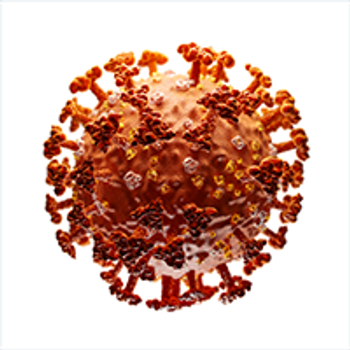
The impact of COVID-19 has been felt deeply by community-based oncologists.
Patrick I. Borgen, MD, highlights the effects of the coronavirus disease 2019 (COVID-19) pandemic on the field of oncology.
Anna Giuliano, PhD, discusses the work efforts to advance the reach of preventive vaccines and cancers, and the challenges researchers are facing in the process.
Deborah B. Doroshow, MD, PhD, discusses the impact of the coronavirus disease 2019 pandemic on cancer care.
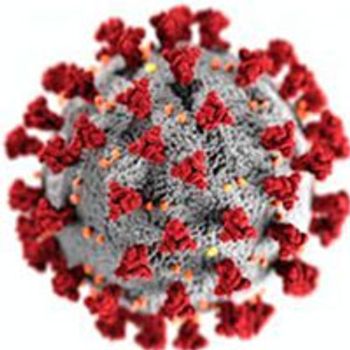
City of Hope is investigating an innovative treatment for cancer patients with COVID-19 by repurposing leflunomide, an anti-inflammatory drug for rheumatoid arthritis that is inexpensive and has few serious side effects, in a new clinical trial.
In our exclusive interview, O’Regan discusses the protocols the University of Wisconsin Carbone Cancer Center has put into place in light of COVID-19, the rise of telemedicine, best practices for in-person visits in the clinic, and the importance of maintaining well visits throughout the pandemic.
Findings have shown that patients with cancer are at an increased risk of developing severe illness due to coronavirus disease 2019.
Christine Sam, MD, discusses the importance of performing geriatric assessments during the coronavirus disease 2019 pandemic.

Plinabulin was found to be a more favorable option for the prevention of chemotherapy-induced neutropenia compared with pegfilgrastim during the coronavirus disease 2019 pandemic.
Randall A. Oyer, MD, shares key highlights from the Association of Community Cancer Centers National Oncology Conference, the future of virtual meetings in light of the coronavirus disease 2019 pandemic, and innovative efforts dedicated to improving cancer care.
The coronavirus disease 2019 pandemic has increased levels of perceived and post-traumatic stress among oncology providers and patients with cancer alike, which suggest a need for psychosocial support resources to promote emotional resilience and reduce the risk of post-traumatic stress in patients on active therapy.

Cancer is independently associated with mortality in patients admitted to the hospital due to coronavirus disease 2019 (COVID-19) infection.
The coronavirus disease 2019 pandemic is highlighting how independent community oncology practices are the best source for patients to receive care close to home, while also presenting several challenges for practices and their patients.
Quoc-Dien Trinh, MD, discusses the challenges of re-establishing standard surgical procedures in patients with prostate cancer following the initial wave of the coronavirus disease 2019 pandemic.

As the impact of the coronavirus disease 2019 pandemic lingers into the later part of 2020, consideration is needed regarding the lasting effects on patients with cancer who may have experienced delayed care or diagnosis.
The coronavirus disease 2019 has had a significant impact on cancer care and created widespread challenges for health care systems across the globe.

The wellbeing and job performance of oncology professionals has been significantly impacted by the COVID-19 pandemic, and although the extent of this impact is varied between countries, it has been suggested to be related to the crude mortality rate of the virus.
Because it is likely that COVID-19 will be around for a considerable period of time, it is hoped that all involved in the clinical research establishment can view this experience as a process that needs substantial improvement.
Remdesivir has been associated with a lower mortality rate for patients with cancer and the novel coronavirus disease compared with other agents under examination for this population.
Quoc-Dien Trinh, MD, discusses the challenges of the novel coronavirus disease 2019 pandemic in prostate cancer.
Quoc-Dien Trinh, MD, discusses surgical considerations for patients with prostate cancer in light of the novel coronavirus disease pandemic.

Steven Lee Chang, MD, discusses the impact of the coronavirus disease 2019 on the surgical management of patients with genitourinary cancers.
In our exclusive interview, Dr. Meisel and Dr. Hamilton provided insight on key data from the 2020 ASCO Virtual Scientific Program and best practices in managing patients during the coronavirus disease 2019 pandemic.
Toni K. Choueiri, MD, discusses the novel coronavirus disease, which continues to impact the care of patients with metastatic renal cell carcinoma and other cancers in a multitude of ways.