Following the arrival of the coronavirus disease 2019 pandemic, St. Jude Children's Research Hospital launched the first Global COVID-19 Observatory and Resource Center for Childhood Cancer.
Following the arrival of the coronavirus disease 2019 pandemic, St. Jude Children's Research Hospital launched the first Global COVID-19 Observatory and Resource Center for Childhood Cancer.
The downstream effects of the coronavirus disease 2019 on patients with cancer have become apparent over the past few months, and the onus is on the field to provide clinical guidance on best practices in the absence of definitive data.
The FDA is presently spearheading several initiatives in light of COVID-19 aimed at refining the role of RWD in cancer care to guide clinical trial development, procure answers to pressing clinical questions, and support regulatory decisions for in vitro diagnostics.
Eric Brown, MD, FACS, discusses how breast oncologists and surgeons have adapted to overcome the challenges presented by COVID-19 and continue to deliver the best care to patients as the United States begins to re-open.
Results from a survey of patients in the United Kingdom showed patients with sickle cell disease diagnosed with COVID-19 and who had mild symptoms were more likely to die or require mechanical ventilation than those with more severe symptoms of COVID-19.
Andrew M. Evens, DO, MSc, discusses the telemedicine initiatives that have been taken at RCINJ—even before the COVID-19 outbreak—as well as proper telemedicine etiquette and best practices for oncologists getting a handle on the new approach in clinical practice.
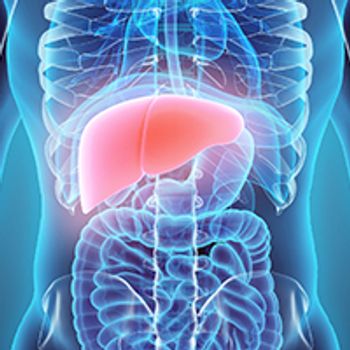
This Onclive® webinar will focus on best practices and multidisciplinary approaches in the management of hepatocellular carcinoma and the impact of the COVID-19 pandemic on treatment selection in patients with HCC. Join us Thursday, June 23, 2020 at 8 PM EST.
Rana R. McKay, MD, discusses adapting treatment for patients with cancer during the coronavirus disease 2019 pandemic.
Giorgio Vittorio Scagliotti, MD, PhD, discusses the precautionary measures implemented in clinical practice to protect patients with cancer from COVID-19.
At this moment, we should consider what it will take for the scientific community as a collective entity to self-regulate far more forcefully so that the actions of a limited number of its members do not squander the well-deserved awakening of public trust in the entire scientific enterprise.
Mudit Chowdhary, MD, shares advice for family members living with patients with cancer, projects the long-term implications of the COVID-19 pandemic on clinical practice, provides insight on the effects of investigational treatments for patients with COVID-19, and details the protocols Rush University Medical Center has put into place to limit the spread of the virus.
Chemotherapy administered within 3 months of a diagnosis of COVID-19 increased the risk of death in patients with thoracic cancer.
An analysis of data collected in the COVID-19 and Cancer Consortium registry showed that patients with progressive cancer were 5.2-times more likely to die within 30 days of being diagnosed with novel coronavirus 19 compared with patients in remission or with no evidence of disease.
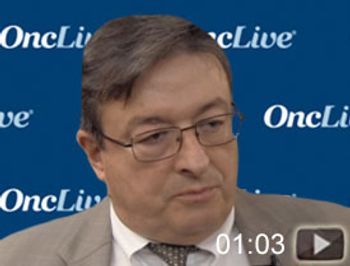
Panayiotis S. Savvides, MD, discusses COVID-19 precautions for patients with lung cancer.
Raymond Liu, MD, shed light on the benefits and challenges of utilizing telehealth in oncology and shared advice on how to implement this approach in practice.
Howard A. "Skip" Burris, III, MD, FASCO, FACP, and Stephanie L. Graff, MD, discuss how the COVID-19 pandemic has affected cancer care, the collaborative efforts made between Sarah Cannon Research Institute and HCA to increase access to investigational COVID-19 treatments, and the steps ASCO has taken to ensure its members’ professional education and well-being during this time.
Although little evidence exists with regard to how to best treat patients with breast cancer during the COVID-19 pandemic, guidelines have been issued by organizations like ESMO to assist providers with making those decisions.
Nitika Thawani, MD, discusses identifying the difference between adverse events that are associated with radiation versus COVID-19 symptoms in lung cancer.
Mary-Beth Percival, MD, provides insight into precautionary measures put into place to ensure patient safety, some of the considerations included in the paper, and the different ways in which she is overcoming challenges faced in practice in light of the pandemic.

Warner K. Huh, MD, discusses some of the key challenges faced in the management of gynecologic cancers in light of the COVID-19 crisis, shares some of the resources provided by the SGO COVID-19 task force, and projects what is needed to quell the pandemic, which he refers to as version of the Great Depression.
Jonathan C. Trent, MD, PhD, sheds light on the impact of COVID-19 on the treatment of rare cancers.

Allyson Ocean, MD, discusses some of the key initiatives that she has helped spearhead to raise awareness on COVID-19 and provide PPE to those who need it.
History will report that the COVID-19 pandemic in Brooklyn, New York peaked on or about April 12, 2020; however, due to the protracted hospitalization experienced by severe COVID-19–positive patients, the heavy in-patient burden continues today.
Jonathan C. Trent, MD, PhD, sheds light on the impact of COVID-19 on the treatment of rare cancers.
Adam M. Brufsky, MD, PhD, discusses the impact of the COVID-19 pandemic on patients with cancer, as well as the science behind the proposed explanation of the immunopathology of COVID-19.