

Christine Sam, MD, discusses strategies to mitigate the risk of the coronavirus disease 2019 in elderly patients with cancer.
Christine Sam, MD, discusses strategies to mitigate the risk of the coronavirus disease 2019 in elderly patients with cancer.
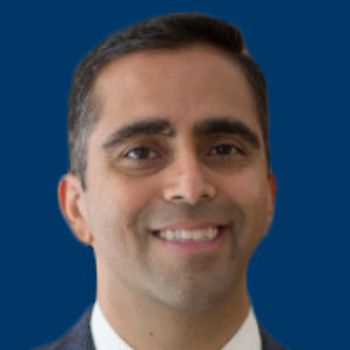
Early in the pandemic, the Montefiore hospital leadership had the forethought and insight to create a reliable and robust outcomes data collection system on all patients with a diagnosis of COVID-19 being seen and treated within the system.
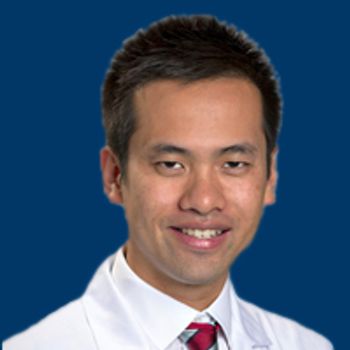
Quoc-Dien Trinh, MD, discusses the impact of the COVID-19 pandemic on prostate cancer treatment and factors that are considered to inform treatment decisions.

Toni K. Choueiri, MD, discusses the significance of the COVID-19 and Cancer Consortium during the coronavirus disease 2019 pandemic.

Immunotherapy use is associated with a higher risk for hospitalization and severe coronavirus disease 2019 infection in patients with cancer and the novel respiratory virus.

Toni K. Choueiri, MD, discusses the impact the coronavirus disease 2019 pandemic has had on diagnosing and treating patients with renal cell carcinoma.
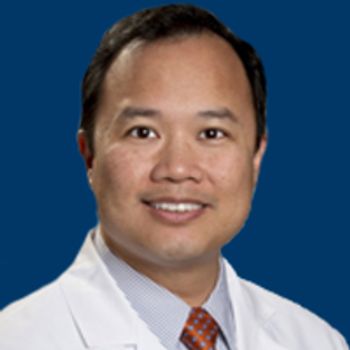
Steven Lee Chang, MD, MS, discusses the impact of the COVID-19 pandemic on surgical practices, alternative options to surgery, and potential lessons to be learned from the pandemic.
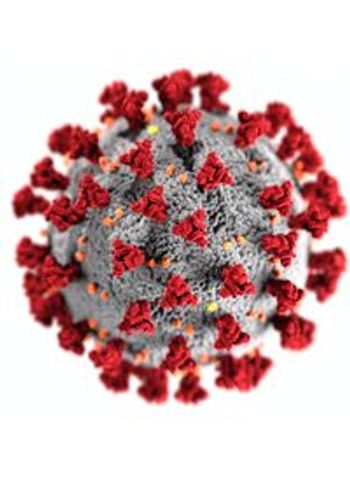
Telehealth is likely to stay in the oncology realm, even after the novel coronavirus 2019 pandemic passes.

Outbreaks of coronavirus disease 2019 are on the rise in Latin America, with more than 4 million confirmed cases. In response to this health crisis, elective medical procedures, including cancer screening and care, as well as treatment for conditions beyond the virus, have been held.
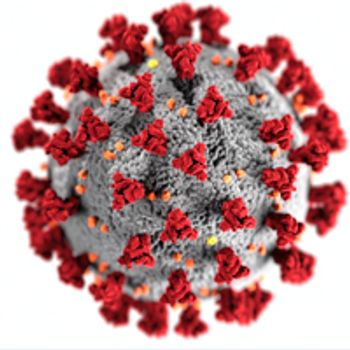
Patients in New York City with cancer who are then diagnosed with novel coronavirus 2019 (COVID-19) are marked by substantial hospitalization rates and severe outcomes.

Any type of anti-cancer therapy that could impact overall survival should not be discontinued or delayed.
The coronavirus disease 2019 has disrupted the global delivery of coordinated cancer care, resulting in declines in routine screening and referrals that could lead to thousands of excess deaths due to delayed diagnoses, experts warn.

The coronavirus disease 2019 pandemic has raised the public profile of experts in infectious disease, epidemiology, and public health.

An Emory University-led phase 2 study will evaluate whether the the PI3K-gamma/delta inhibitor duvelisib is effective at reducing lung inflammation in patients with severe novel coronavirus 2019, thereby decreasing incidences of mechanical ventilation and death in these patients.
Following a recent update from the Centers for Disease Control and Prevention, cancer has been added to the list of underlying medical conditions that may result in a more severe case of novel coronavirus 2019 should exposure to the virus occur.
The mortality rate with COVID-19 appears to be higher in patients with cancer—especially those with lung cancer—compared with the general population, and several factors associated with mortality are beginning to emerge.
Treatment with tocilizumab does not appear to inhibit the induction of anti-SARS-CoV-2 antibodies in patients with severe coronavirus disease 2019.

The situation with the coronavirus-19 pandemic continues to rapidly evolve, but one thing is clear: this is much more than just the common cold.

Treatment with immune checkpoint inhibitors did not increase the risk of mortality in patients with COVID-19 and cancer.
The National Cancer Institute has awarded the Sidney Kimmel Cancer Center – Jefferson Health a supplemental grant to study the role of telehealth in delivering cancer care during the COVID-19 pandemic.

Christine Sam, MD, discusses strategies to prevent the spread of COVID-19 in geriatric patients with cancer and shared advice on how to overcome unique challenges faced in the care of this population.

Treatment with the BTK inhibitor acalabrutinib resulted in decreased inflammation and improve outcomes in patients with severe coronavirus disease 2019.
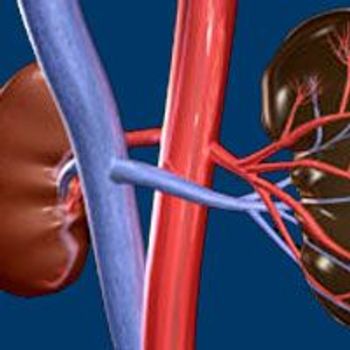
Only a small percentage of patients with kidney cancer who are considered to be particularly vulnerable to COVID-19 have actually been tested for infection.

One of the major mysteries in treating patients with COVID-19 is the frequent development of blood clots that can subsequently damage their organs and sometimes be fatal.
Research efforts have revealed a potential weapon to add to the treatment arsenal against COVID-19, a drug that has historically played a crucial role in oncology treatment: the inexpensive, and widely accessible, corticosteroid dexamethasone.



Muhammad Bilal Abid, MD, MRCP, discusses the current coronavirus disease 2019 pandemic and its clinical impact on patients with cancer.