
James H. Doroshow, MD, discusses the importance of modernizing clinical trials in the post–COVID-19 era.
James H. Doroshow, MD, discusses the importance of modernizing clinical trials in the post–COVID-19 era.
Silver linings of the COVID-19 pandemic have opened the door for new opportunities for decentralized clinical trials and real-world data in a post–COVID-19 world.
The coronavirus disease 2019 pandemic has forever changed our world. We must remember the heavy societal burden this virus has wrought, including lives lost, the significant and debilitating late effects for survivors, and the mental health crisis for survivors, caregivers, and the general population.

Opinion leaders provide a glimpse into the future of what approaches adopted during COVID-19 may persist in oncology after the pandemic ends.

Marina Chiara Garassino, MD, discusses key safety protocols that were initiated for patients with cancer in Italy during the COVID-19 pandemic.
The challenges of assessing COVID-19 vaccines shows that events in the real world may differ from those of a formal objective scientific analysis, especially in a setting where such evaluations of necessity involve very small numbers.
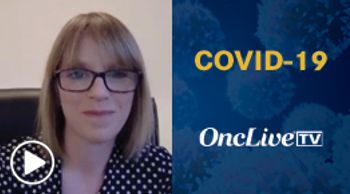
Anita Lavery, MD, MRCP, discusses the decline in esophageal cancer diagnoses in Ireland during the COVID-19 pandemic.
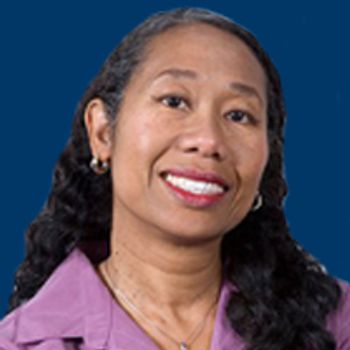
Nearly 30 years after National Institutes of Health sought to increase participation of minorities in clinical trials, a demographic imbalance remains.
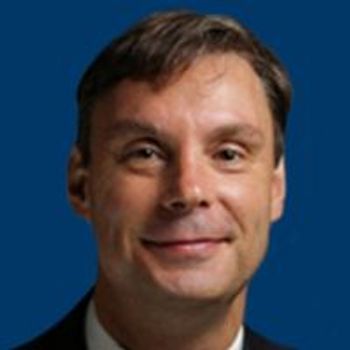
OncologyLive® Advisory Board members speak about how COVID-19 has touched all aspects of oncology practice, research, and treatment.
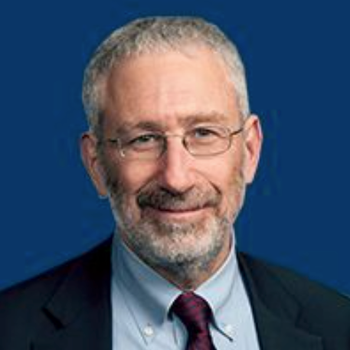
Although the spectacular success associated with the development of several safe and highly efficacious vaccines and therapies for COVID-19 has once again confirmed the remarkable impact of advancements on public and individual health, we must also acknowledge recent stunning examples of the failure of scientifically oriented government agencies to provide objectively valid nonpolitical recommendations, policies, and conclusions.
Mark Fleury, PhD, discusses the advancement of decentralized clinical trials during the COVID-19 pandemic.
Michael A. Davies, MD, PhD, discusses the management of patients with melanoma during the COVID-19 pandemic.
Triaging individuals with the highest likelihood of cancer detection with their clinical indication and individual risk factors during periods of reduced capacity could be an efficient way of identifying the most cancers with the least examinations compared with a non–risk-based approach.
Dan J. Raz, MAS, MD, discusses the effects of COVID-19 on lung cancer screening.
Julie R. Gralow, MD, discusses future challenges in cancer care following the COVID-19 pandemic.
Anita Lavery, MD, MRCP, discusses achieving safe care for patients with esophagogastric cancer during the COVID-19 pandemic.

Patients with cancer who have contracted COVID-19 trend towards having high disease severity and mortality, especially among those with select demographic and clinical characteristics, with certain chemotherapy regimens contributing towards a high all-cause mortality.

Lewis Au, MBBS, BMedSci, FRACP, discusses the results of a subgroup analysis evaluating antibody responses to COVID-19 in patients with cancer.

The COVID-19 pandemic has added another burden, with growing evidence of its negative effects on the well-being of many cancer care providers.
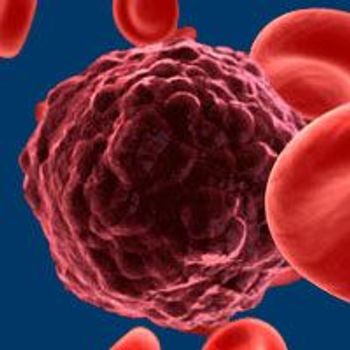
Tocilizumab may represent a potential treatment option with double action against cytokine storm due to COVID-19 in a subset of patients with active multiple myeloma and severe infection with the virus.

Michael R. Charlton, MD, MBBS, discusses the effects of the COVID-19 pandemic on hepatocellular carcinoma.
The current endorsement of 3 COVID-19 vaccines in the United States, with several additional products pending FDA review, in less than 1 year from the identification of the structure of the COVID-19 virus is simply remarkable.
Lewis Au, MBBS, BMedSci, FRACP, discusses antibody responses to COVID-19 observed in patients with cancer.
During the COVD-19 pandemic, the expansion of covered services for telehealth by the Centers for Medicare & Medicaid Services and private insurers has provided a safer alternative for patients and physicians.
Carlos del Rio, MD, discusses remaining questions with the COVID-19 vaccines.
Jane L. Meisel, MD, discusses sequencing questions, tucatinib combinations under exploration, and emerging strategies for use in the treatment of patients with HER2-positive breast cancer.
The success of the COVID-19 vaccines based on messenger RNA has led to a surge of interest from investigators, pharmaceutical companies, and investors in similar technology for other diseases, including a number of oncology indications.
The coronavirus disease 2019 pandemic had a tremendous impact on the surgical care of patients with breast cancer; practice patterns needed to be rapidly adjusted to continue to safely provide care during a time when resources were very limited.
The coronavirus disease 2019 pandemic required that investigators, sponsors, and regulators adapt clinical trials to prioritize the safety of patients. Now momentum is gathering to make permanent the flexibilities introduced in regulations and procedures to improve access to clinical trials for patients with cancer.
Andrew Ip, MD, MS, discusses the utility of investigational treatments for COVID-19 in patients with cancer.