
OSE-2101 met the primary endpoint in the predefined Step-1 analysis of the phase III Atalante 1 trial in patients with HLA-A2 positive non–small cell lung cancer after failure of anti–PD-1/PD-L1 agents.
OSE-2101 met the primary endpoint in the predefined Step-1 analysis of the phase III Atalante 1 trial in patients with HLA-A2 positive non–small cell lung cancer after failure of anti–PD-1/PD-L1 agents.
Erin M. Bertino, MD, a medical oncologist at The Ohio State University Comprehensive Cancer Center–James, discusses the potential impact of the novel coronavirus 2019 (COVID-19) on patients with lung cancer.
Tanios S. Bekaii-Saab, MD, FACP, discusses the shift toward telemedicine, the impact of protective strategies on the trajectory of COVID-19, and the potential aftereffects of the virus.
David P. Carbone, MD, PhD, director of the Thoracic Oncology Center at The Ohio State University Comprehensive Cancer Center–James, provides perspective on the novel coronavirus 2019 (COVID-19).
Ajai Chari, MD, discusses the impact of the COVID-19 outbreak on hospital protocols and the measures that are being taken to reduce the spread of the virus.
Enrique Soto Pérez de Celis, MD, MSc, a geriatric oncologist and researcher in the Department of Geriatrics at the Instituto Nacional de Ciencias Médicas y Nutrición Salvador Zubirán in Mexico City, Mexico, discusses ways to reduce the risk of contracting the novel coronavirus 2019 (COVID-19).
Experts from Mayo Clinic, Ironwood Cancer and Research Centers, and Banner MD Anderson Cancer Center Clinic discuss the impact of the COVID-19 pandemic on cancer care and shared what advice they have been giving their patients.
Today, we passed the mic to Petros Grivas, MD, PhD, who moderated a discussion on a multi-institutional registry that has been created to capture data from healthcare professionals on patients with cancer who have suspected or confirmed diagnoses of the novel coronavirus, COVID-19. Joining Dr. Grivas is Jeremy L. Warner, MD, MS, as well as Ali R. Khaki, MD.
Giorgio Vittorio Scagliotti, MD, PhD, discusses the state of the healthcare system in Italy amongst the COVID-19 outbreak, techniques being implemented to "flatten the curve," and his outlook on the future after the pandemic.
As the number of confirmed cases of COVID-19 continues to grow, oncologists from all over the world are working together to stay informed on the latest developments, participate in pivotal research efforts, develop potentially life-saving medications, and share personal experiences faced in practice to ultimately improve patient care.
Brian I. Rini, MD, highlights the Uromigos podcast efforts to educate other oncologists on how COVID-19 will shift their practice, as well as adapting to changing procedures in clinic to continue delivering optimal care for patients with cancer during the pandemic.
Petros Grivas, MD, discusses the repercussions of the COVID-19 pandemic on oncology practice patterns and the importance of contributing to the COVID-19 and Cancer Consortium Registry.
Omid Hamid, MD, discusses ongoing efforts to quell the COVID-19 pandemic, the benefits of telemedicine, and promising research being done to combat the virus.
Toni K. Choueiri, MD, highlights the changes he has observed in clinical practice amidst the COVID-19 pandemic and the unified approach being taken at Dana-Farber Cancer Institute.
Anees B. Chagpar, MD, MBA, MPH, FACS, FRCS(C), discusses the importance of taking proactive measures to prevent the spread of the novel 2019 coronavirus.
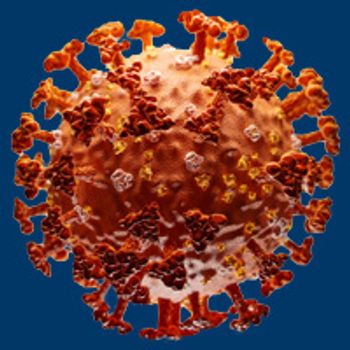
Due to COVID-19, the ASCO Annual Meeting will now occur using a virtual format.
Thomas G. Martin, MD, discusses the risk of COVID-19 to patients with cancer and precautionary measures implemented by the the University of California San Francisco Helen Diller Family Comprehensive Cancer Center.
Sara A. Hurvitz, MD, associate professor at the David Geffen School of Medicine, University of California, Los Angeles (UCLA) medical director of the Jonsson Comprehensive Cancer Center Clinical Research Unit, co-director of the Santa Monica-UCLA Outpatient Oncology Practices, and director, Breast Cancer Clinical Trials Program, UCLA, discusses the steps that can be taken to reduce potential exposure to coronavirus disease 2019 (COVID-19).

The FDA has approved the initiation of a double-blind, randomized phase III clinical trial of the oncology supportive care drug tocilizumab for use in combination with standard of care for the treatment of hospitalized adult patients with severe COVID-19 pneumonia.
Debu Tripathy, MD, professor and chairman, Department of Breast Medical Oncology, Division of Cancer Medicine, The University of Texas MD Anderson Cancer Center, discusses known elements of COVID-19.
Experts from ASCO detail the organization's response to the COVID-19 crisis and resources available for its members.
The need to establish preventive procedures that keep pace with the rapid evolution of coronavirus 2019 presents numerous challenges for the oncology field as institutions adapt standard treatment protocols to minimize the risk for virus spread among clinicians and patients alike.
Adam M. Brufsky, MD, PhD, discusses case ascertainment bias regarding the coronavirus 2019.
Tocilizumab, a treatment used for adverse events related to cancer therapy, among other indications, is being explored in a phase III trial as a treatment for adult patients hospitalized with severe COVID-19 pneumonia, according to Genentech (Roche), the manufacturer of the interleukin-6 receptor antagonist.
Physicians treating patients with cancer may want to consider postponing surgeries or altering therapy plans because of the threat that the coronavirus poses to this population.
Patrick I. Borgen, MD, discusses what is currently known about coronavirus 2019 and unanswered questions that still need to be addressed.
Jeremy L. Warner, MD, MS, discusses the goals of the COVID-19 and Cancer Consortium Registry, what other data need to be extrapolated with COVID-19, and how the virus could impact patients with cancer.
Matthew T. Campbell, MD, MS, shares ways to prevent the spread of coronavirus 2019.
As the novel coronavirus continues its rapid global spread, many oncology-based organizations have been forced to make the difficult decision to either cancel or postpone highly anticipated medical conferences.
Aditya Bardia, MD, MPH, discusses the potential impact of novel coronavirus on immunocompromised patients.