

The 39th Annual Miami Breast Cancer Conference® makes its return to the Fontainebleau Miami Beach in Florida with a twist on both the agenda and the setting.

Your AI-Trained Oncology Knowledge Connection!
The 39th Annual Miami Breast Cancer Conference® makes its return to the Fontainebleau Miami Beach in Florida with a twist on both the agenda and the setting.

Targeted therapies, specifically those agents directed at mutated proteins and aberrant protein-to-protein interactions, have been shown to improve survival among patients with relapsed or refractory acute myeloid leukemia.

Although checkpoint inhibitors and bispecific antibodies have come to represent clinical oncology’s fourth leg of treatment—immunotherapy—there remains much to explore within lymphoma.

The emergence of novel agents, including CAR T-cell therapies and antibody-drug conjugates, plus existing options such as chemoimmunotherapy and bone-marrow transplant, have combined to raise questions about the sequencing of these treatments in patients with diffuse large B-cell lymphoma.

The utilization of mitotane in the adjuvant setting did not produce significant benefit for patients with adrenocortical carcinoma at low or intermediate risk of recurrence.
Adjuvant pembrolizumab continued to demonstrate improved disease-free survival placebo in patients with renal cell carcinoma who are at high risk of recurrence.
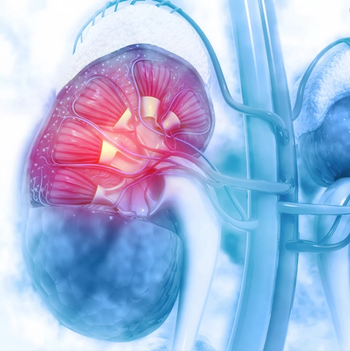
At a nearly 3-year median follow-up, health-related quality-of-life scores were improved or maintained over time among patients with advanced renal cell carcinoma who received with nivolumab plus cabozantinib compared with those who received sunitinib.

The combination of lenvatinib and pembrolizumab produced similar efficacy and safety profiles in an East Asian subgroup of patients with advanced renal cell carcinoma.

Efficacy rates generated by the combination of nivolumab (Opdivo) and ipilimumab (Yervoy) vary based on certain immune-cell related parameters in patients with advanced or metastatic clear cell renal cell carcinoma.

The combination of nivolumab plus cabozantinib elicited a continued survival benefit compared with sunitinib in patients with untreated clear cell metastatic or advanced renal cell carcinoma.

A reduction in cabozantinib dosage because of toxicity demonstrated improved time to treatment failure and overall survival in patients with metastatic renal cell carcinoma.

Follow-up from the TIVO-3 trial showed that patients with pretreated relapsed/refractory renal cell carcinoma who received tivozanib were 5 times more likely to experience long-term progression-free survival compared with sorafenib.
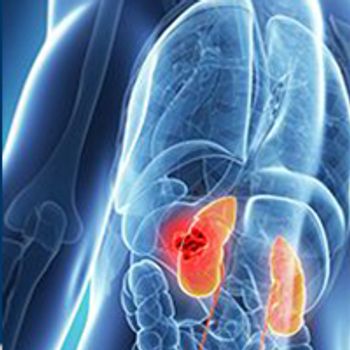
Frontline tivozanib was noninferior to other tyrosine kinase inhibitors for the treatment of patients with metastatic renal cell carcinoma in a real-world setting.

Treatment with lenvatinib plus pembrolizumab was associated with a clinical benefit in advanced renal cell carcinoma, regardless of a patient’s biomarker status.
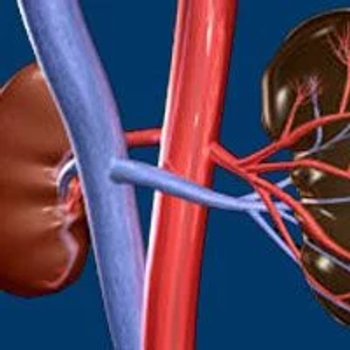
Treatment with cabozantinib (Cabometyx, Cometriq) in the second-line setting generated similar time-to-event end points and response rates in patients with advanced renal cell carcinoma, regardless of frontline immune-oncology combinations.
Enfortumab vedotin produced promising antitumor activity when used as neoadjuvant treatment in patients with muscle invasive bladder cancer who were not eligible for cisplatin.

The addition of olaparib to durvalumab did not result in a significant prolongation in progression-free survival compared with durvalumab alone in patients with previously untreated, platinum-ineligible metastatic urothelial carcinoma.

Second-line sacituzumab govitecan plus pembrolizumab generated promising antitumor activity in patients with checkpoint inhibitor–naïve metastatic urothelial cancer.
Updated data support the common use of cabozantinib in this setting without new safety signals in patients with metastatic renal cell carcinoma.
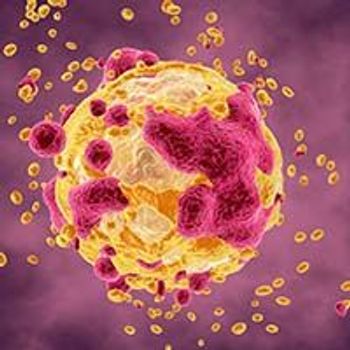
Fluorodeoxyglucose PET/CT and sodium fluoride PET/CT baseline functional imaging parameters and percent change in lesion number observed on follow-up imaging was linked with overall survival and found to be prognostic in patients with metastatic genitourinary cancers.
Roberto Iacovelli, MD, PhD, discusses efficacy findings from the phase 2 ARIES trial in urothelial cancer.

Avelumab failed to demonstrate an improvement in overall survival at 1 year as frontline treatment in patients with cisplatin-ineligible, PD-L1–positive advanced urothelial cancer, though it did elicit a notable objective response rate.

The frontline maintenance combination of avelumab plus best supportive care continued to show an improvement in overall survival compared with BSC alone in patients with metastatic urothelial cancer who receive first-line chemotherapy.

The combination of lenvatinib and pembrolizumab elicited comparable antitumor activity compared with placebo plus pembrolizumab as frontline therapy in patients with advanced urothelial carcinoma who were ineligible for platinum-based chemotherapy, according to data from LEAP-011.

Darolutamide produced a well-tolerated safety profile in patients with metastatic castration-resistant prostate cancer, according to pooled data from long-term analyses of 3 trials.
The utilization of 18F-rhPSMA-7.3 imaging displayed a clinically meaningful correct detection rate.
The androgen receptor inhibitor darolutamide demonstrated continued efficacy and safety in patients with non-metastatic castration-resistant prostate cancer (nmCRPC) who have comorbidities or concomitant medications

Continuous enzalutamide plus docetaxel and prednisone elicited progression-free survival improvement vs placebo with docetaxel and prednisone in patients with metastatic castration-resistant prostate cancer who had previously progressed on enzalutamide alone
The addition of darolutamide to androgen deprivation therapy and docetaxel generated better overall survival vs placebo with ADT and docetaxel in patients with metastatic castration-sensitive prostate cancer.

The combination of niraparib and abiraterone acetate and prednisone led to a significant improvement in radiographic progression-free survival vs placebo plus abiraterone in patients with metastatic castration-resistant prostate cancer and homologous recombination repair gene alterations.