

A single dose of ciltacabtagene autoleucel continued to elicit early, deep, and durable responses and showcase a manageable safety profile in heavily pretreated patients with multiple myeloma.
A single dose of ciltacabtagene autoleucel continued to elicit early, deep, and durable responses and showcase a manageable safety profile in heavily pretreated patients with multiple myeloma.
The CAR T-cell therapy ciltacabtagene autoleucel has emerged as a potentially durable treatment strategy for patients with relapsed/refractory multiple myeloma who have progressed on 1 to 3 prior lines of treatment and are refractory to lenalidomide.

Idecabtagene vicleucel continued to elicit frequent, deep, and durable responses among patients with heavily pretreated relapsed/refractory multiple myeloma irrespective of whether patients received 3 or at least 4 prior therapies.

Talquetamab, an off-the-shelf T-cell redirecting, GP3C5D-targeting agent, has continued to show promising clinical activity in patients with relapsed/refractory multiple myeloma, especially when given at the recommended phase 2 dose of 405 µg/kg weekly in subcutaneous formulation.

Treating patients with accelerated phase myeloproliferative neoplasm is an ongoing therapeutic challenge, due to the lack of standard treatment approaches, according to an expert.

Vaishali Sanchorawala, MD, discusses the impact of renal and cardiac response on survival in patients with light chain amyloidosis.

Srdan Verstovsek, MD, PhD, discusses ongoing research in myelofibrosis-related anemia.
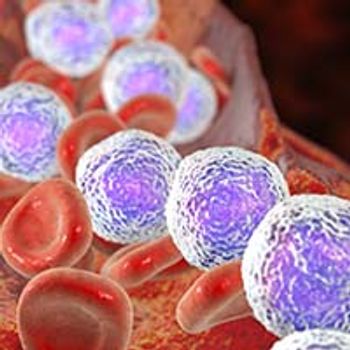
Historical prognostic markers for chemoimmunotherapy have largely lost their clinically relevance in the context of targeted therapies for patients with chronic lymphocytic leukemia; however, IGHV and TP53 mutational status remain important predictive markers of response, now for novel treatments.

The combination of lurbinectedin and doxorubicin produced comparable efficacy to that of standard-of-care vincristine, cyclophosphamide, and doxorubicin or topotecan in patients with relapsed small cell lung cancer, missing the primary end point of the phase 3 ATLANTIS trial.

Sitting at the forefront of clinical development, pirtobrutinib and lisocabtagene maraleucel have generated significant enthusiasm in chronic lymphocytic leukemia.
Patients with chronic lymphocytic leukemia are at an increased risk for infection whether they are in the premalignant state of monoclonal B lymphocytosis, during active surveillance for those are treatment naïve, or are on active treatment.

Estimated 4-year mortality rates were greater than 10% in patients with polycythemia vera and vascular complications led to approximately one-third of these deaths, according to a retrospective analysis of the prospective REVEAL trial (NCT02252159) presented during the Society of Hematologic Oncology (SOHO) 2021 Annual Meeting.

Adjuvant atezolizumab improved disease-free survival over best supportive care in patients with PD-L1–positive, stage II to IIIA non–small cell lung cancer, with benefit observed across most subgroups analyzed, according to data from an exploratory analysis of the phase 3 IMpower010 trial.

Pirtobrutinib, showcased promising efficacy signals across dose levels in previously treated patients with chronic lymphocytic leukemia and small lymphocytic lymphoma.
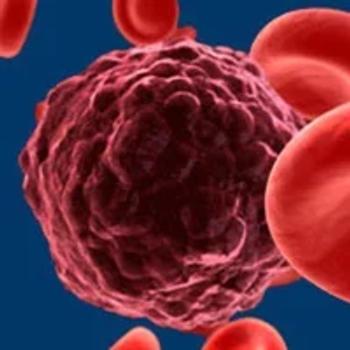
The effectiveness of this treatment in patients with multiple myeloma may be an option for a patient population who represent an unmet need.
Various phase 2 and 3 studies are currently underway utilizing both new and existing treatments in an effort to improve outcomes for patients with myelofibrosis.

The first-line combination of durvalumab and chemotherapy, with or without tremelimumab, led to a statistically significant improvement in progression-free survival compared with chemotherapy alone in patients with metastatic non–small cell lung cancer, according to data from the phase 3 POSEIDON trial.

The safety and efficacy of the quadruplet regimen of fixed-dose isatuximab-irfcc in combination with bortezomib, lenalidomide, and dexamethasone were confirmed for patients with newly diagnosed multiple myeloma with no immediate intent for transplant.

Future treatment approaches for patients with polycythemia vera (PV) should center around adapting therapy using the available criteria, and eventually finding new targets.
For patients with myeloma have undergone an autologous stem cell transplant and are currently on maintenance therapy with lenalidomide, minimal residual disease may be a powerful predictor of outcomes.

Older patients with newly diagnosed multiple myeloma who are ineligible for chemotherapy or transplant may derive a greater benefit when treated with daratumumab plus lenalidomide and dexamethasone compared with lenalidomide and dexamethasone.

The addition of venetoclax to fludarabine, cytarabine, idarubicin and G-CSF resulted in high complete response rates and enables a high consolidative allogeneic transplantation rate in patients with newly diagnosed acute myeloid leukemia.

Catherine Callaghan Coombs, MD, discusses the efficacy results of the ongoing phase 1/2 BRUIN study with pirtobrutinib in chronic lymphocytic leukemia.

Iberdomide combined with dexamethasone and either daratumumab, bortezomib, or carfilzomib showed efficacy and tolerability in patients with relapsed or refractory multiple myeloma.

Updated data from a phase 2 trial presented at the 2021 World Conference on Lung Cancer showed that neoadjuvant osimertinib induced a pathologic complete response among patients with surgically resectable EGFR-mutant non–small cell lung cancer.

Mobocertinib demonstrated clinical activity in previously platinum-treated patients with EGFR exon 20 insertion mutation–positive non–small cell lung cancer whether or not they received a prior PD-1/PD-L1 inhibitor.

The cure rate for patients with T-cell acute lymphoblastic leukemia has improved dramatically over the past few decades, with outcomes becoming comparable to what is observed in those with B-cell acute lymphoblastic leukemia.

The combination of ado-trastuzumab emtansine and osimertinib demonstrated minimal antitumor effects on patients with EGFR-mutated non–small cell lung cancer, according to interim data of the phase 2 TRAEMOS trial.

Jorge E. Cortes, MD, discusses emerging therapies in chronic myeloid leukemia.

Selpercatinib demonstrated robust and durable efficacy with a favorable safety profile in Chinese patients with advanced, RET fusion–positive non–small cell lung cancer.