
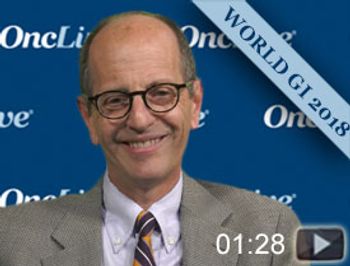
Richard S. Finn, MD, assistant professor of medicine, Department of Medicine, Division of Hematology/Oncology, Geffen School of Medicine, University of California, Los Angeles, recaps recent second-line advancements in hepatocellular carcinoma.

Your AI-Trained Oncology Knowledge Connection!
Richard S. Finn, MD, assistant professor of medicine, Department of Medicine, Division of Hematology/Oncology, Geffen School of Medicine, University of California, Los Angeles, recaps recent second-line advancements in hepatocellular carcinoma.
Atezolizumab alone or in combination with cobimetinib failed to show superior overall survival compared with regorafenib for patients with chemorefractory metastatic colorectal cancer.
TAS-102 (trifluridine/tipiracil; Lonsurf) provided a 31% reduction in the risk of death compared with placebo in patients with heavily pretreated metastatic or advanced gastric cancer.

Second-line treatment with pembrolizumab (Keytruda) did not significantly improve overall survival or progression-free survival in patients with advanced or metastatic gastric or gastroesophageal junction cancer with a PD-L1 combined positive score ≥1.
George P. Kim, MD, Orange Park Medical Center, discusses the results of the PRODIGE 37 trial in patients with pancreatic cancer.
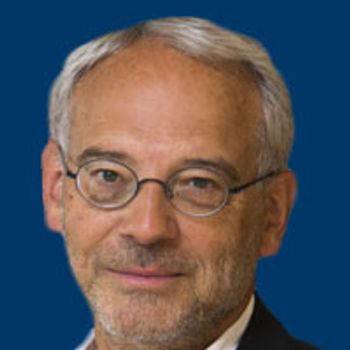
George D. Demetri, MD, director, Center for Sarcoma and Bone Oncology, senior vice president, Experimental Therapeutics, Dana-Farber Cancer Institute, professor of Medicine, Harvard Medical School, discusses the use of larotrectinib in patients with TRK-fusion gastrointestinal (GI) cancers.
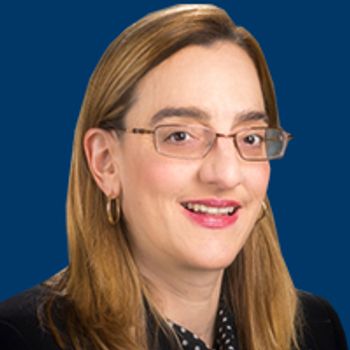
Thierry Conroy, MD, discusses the PRODIGE 24/CCTG PA.6 trial and shares his insight on future research with this treatment regimen.
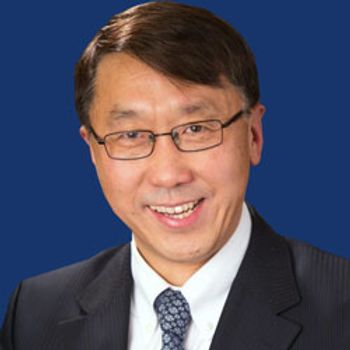
TAS-120 demonstrated a clinically meaningful benefit with a manageable toxicity profile in patients with cholangiocarcinoma harboring FGFR2 gene fusions, including patients who had progressed on an FGFR inhibitor.

Selective internal radiation therapy in combination with sorafenib (Nexavar) did not provide a significant survival improvement compared with sorafenib alone in patients with advanced hepatocellular carcinoma.
Treatment with second-line ramucirumab improved median overall survival by 3.1 months compared with placebo in patients with advanced hepatocellular carcinoma with alpha-fetoprotein levels ≥400 ng/ml.
Thierry Conroy, MD, medical oncologist, director, Institut de Cancerologie de Lorraine, discusses survival data with modified FOLFIRINOX in pancreatic cancer.
Richard S. Finn, MD, assistant professor of medicine, Department of Medicine, Division of Hematology/Oncology, Geffen School of Medicine, University of California, Los Angeles, discusses the pooled analysis of the REACH and REACH-2 studies in patients with hepatocellular carcinoma.
At a median follow-up of 14.1 months, the chimeric antigen receptor T-cell therapy tisagenlecleucel achieved an objective response rate of 52% in adult patients with relapsed/refractory diffuse large B-cell lymphoma.
David Sallman, MD, assistant member, Moffitt Cancer Center, discusses the combination of APR-246 and azacitidine as a treatment for patients with TP53-mutant myelodysplastic syndrome and acute myeloid leukemia.
Anthony R. Mato, MD, hematologic oncologist, director, CLL Program, Memorial Sloan Kettering Cancer Center, discusses the safety and efficacy of umbralisib in patients with chronic lymphocytic leukemia.
The addition of elotuzumab to pomalidomide and dexamethasone cut the risk of disease progression or death by 46% compared with pomalidomide and dexamethasone alone for patients with relapsed/refractory multiple myeloma.
The combination of duvelisib and fludarabine-cyclophosphamide-rituximab demonstrated efficacy as a frontline treatment for younger patients with chronic lymphocytic leukemia.
Quizartinib reduced the risk of death by 24% compared with salvage chemotherapy in patients with FLT3-ITD–positive relapsed/refractory acute myeloid leukemia after first-line treatment with or without hematopoietic stem cell transplantation.
The addition of polatuzumab vedotin to bendamustine and rituximab induced a higher rate of complete responses by PET scan compared with BR alone in patients with relapsed/refractory diffuse large B-cell lymphoma.
A CAR T-cell therapy specific for CD22 was safe and provided high response rates for pediatric patients with B-cell acute lymphoblastic leukemia who had failed chemotherapy and/or a CD19-targeted CAR T-cell treatment.
Jorge E. Cortes, MD, professor and deputy chair, Department of Leukemia, The University of Texas MD Anderson Cancer Center, discusses the results of quizartinib in patients with relapsed/refractory acute myeloid leukemia.
Matthew Davids, MD, MMSc, associate director, Center for Chronic Lymphocytic Leukemia, Dana-Farber Cancer Institute, discusses duvelisib plus fludarabine-cyclophosphamide-rituximab (FCR) as a frontline therapy for the treatment of younger patients with chronic lymphocytic leukemia.
A compound CLL1/CD33-targeted CAR T-cell therapy showed a complete remission with minimal residual disease (MRD) negativity in a single-patient case study from an ongoing phase I study for relapsed/refractory acute myeloid leukemia.
Ramon Garcia-Sanz, MD, PhD, clinician, department of Hematology, Hospital Universitario de Salamanca, discusses the results of brentuximab vedotin (Adcetris) plus ESHAP followed by autologous stem cell transplant in patients with relapsed/refractory Hodgkin lymphoma.
Susan E. Prockop, MD, pediatric oncologist, Memorial Sloan Kettering Cancer Center, discusses tabelecleucel in patients with Epstein-Barr virus (EBV)-associated post-transplant lymphomas.

PET can be safely used to guide treatment in patients with untreated advanced-stage classical Hodgkin lymphoma after 2 cycles of upfront de-escalated BEACOPP.
The combination of obinutuzumab and chlorambucil reduced the risk of death by 24% versus rituximab plus chlorambucil in treatment-naïve patients with chronic lymphocytic leukemia with comorbidities.
The combination of atezolizumab, bevacizumab, carboplatin, and paclitaxel educed the risk of death by 22% compared with bevacizumab and chemotherapy in patients with advanced wild-type non-squamous non–small cell lung cancer.
Gilberto Lopes, MD, a medical oncologist at the Sylvester Comprehensive Cancer Center, University of Miami Health System, discusses findings from the KEYNOTE-042 trial of frontline pembrolizumab (Keytruda) as a treatment for patients with squamous and nonsquamous non–small cell lung cancer in an interview with OncLive during the 2018 ASCO Annual Meeting.
Alexander Drilon, MD, medical oncologist, clinical director, Early Drug Development Service, Memorial Sloan Kettering Cancer Center, discusses findings from the phase I LIBRETTO-001 study exploring the highly selective RET inhibitor LOXO-292 in patients with RET-altered solid tumors.