

The phase III SOLD trial failed to demonstrate that DFS with 9 weeks of adjuvant trastuzumab was noninferior to the standard 12 months when the 2 regimens were combined with chemotherapy in women with early stage HER2-positive breast cancer.

Your AI-Trained Oncology Knowledge Connection!
The phase III SOLD trial failed to demonstrate that DFS with 9 weeks of adjuvant trastuzumab was noninferior to the standard 12 months when the 2 regimens were combined with chemotherapy in women with early stage HER2-positive breast cancer.
Results from a meta-analysis of data collected from 837 premenopausal women undergoing chemotherapy for early-stage breast cancer suggest that gonadotropin-releasing hormone analog may preserve fertility and have a protective ovarian function.
Charles Coombes, MD, professor of medical oncology, Imperial College London, discusses surprising results from a recent study examining celecoxib’s impact on breast cancer progression and relapse.
Mothaffar F. Rimawi, MD, associate professor and director of clinical research at the Lester and Sue Smith Breast Center at Baylor College of Medicine, discusses the clinical need for immunotherapy regimens for patients with HER2-positive breast cancer.
Newly released results from the MONALEESA-7 trial showed that adding ribociclib to standard endocrine therapy with temporary ovarian suppression significantly improved progression-free survival as a first-line treatment for pre- and perimenopausal women with advanced HR-positive/HER2-negative breast cancer.
Julie R. Nangia, MD, assistant professor of medicine, Baylor College of Medicine, discusses some logistical factors that oncologists and health care providers should know regarding implementing a scalp cooling system.

The combination of pembrolizumab and trastuzumab reached an objective response rate of 15.2% in patients with trastuzumab-resistant, PD-L1–positive, HER2-positive breast cancer.
Shortening the intervals between chemotherapy cycles or administering the drugs sequentially reduced early-stage breast cancer recurrence and mortality compared with standard dosing techniques.

Treatment with sacituzumab govitecan elicited an objective response rate of 34% in patients with heavily pretreated metastatic triple-negative breast cancer.

A trial to determine the value of trastuzumab plus standard adjuvant chemotherapy in patients with low levels of HER2 protein has shown no significant efficacy, confounding investigators who launched the trial based on opposing results from 2 earlier studies.

Treatment with neoadjuvant chemotherapy prior to radical cystectomy significantly improved overall survival compared with cystectomy alone for patients with the basal subtype of muscle-invasive bladder cancer.

In a study of neoadjuvant sonidegib in men with high-risk localized prostate cancer undergoing prostatectomy, hedgehog pathway activity was detectable at baseline.
Prostate cancer has recently been recognized as a genomically heterogeneous disease with subtypes similar to breast or ovarian cancers.
Martin H. Voss, MD, medical oncologist, Memorial Sloan Kettering Cancer Center, discusses neoadjuvant immunotherapy trials in renal cell carcinoma (RCC).
Andrea B. Apolo, MD, medical oncologist, chief of the bladder cancer section of the Genitourinary Malignancies Branch, National Cancer Institute, discusses managing toxicities with checkpoint inhibitors in bladder cancer.

The established efficacy of single-agent checkpoint inhibition for metastatic urothelial carcinoma along with molecule expression analyses suggests that PD-1/PD-L1 inhibition could hold promise for patients with non-muscle invasive bladder cancer, particularly those unresponsive to Bacillus Calmette-Guérin.
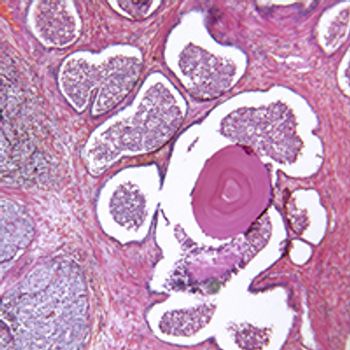
Both magnetic resonance imaging and prostate cancer antigen 3 tests can predict a positive prostate biopsy and are helpful in identifying high-risk prostate cancer.
Guru Sonpavde, MD, director of Bladder Cancer at the Dana-Farber Cancer Institute, discusses current clinical trials in penile cancer.
Hans J. Hammers, MD, PhD, associate professor, Internal Medicine, UT Southwestern Medical Center, discusses the potential combination of IDO inhibitors and PD-1 inhibitors in renal cell carcinoma.
It has been a landmark year for immunotherapy in bladder cancer with the approval of 5 checkpoint inhibitors across first and second line.
The combination of PD-1 or PD-L1 inhibitors with existing frontline therapies could represent a superior approach for some treatment-naïve patients with renal cell carcinoma.
Stemming from the wave of checkpoint inhibitor approvals, multiple trials have begun evaluating immunotherapies in combination with other agents for the treatment of patients with advanced bladder cancer.
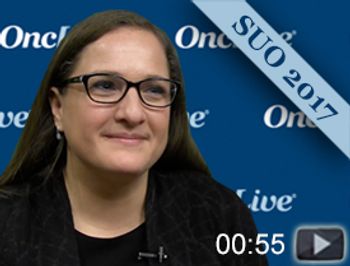
Elizabeth Plimack, MD, director of Genitourinary Clinical Research at Fox Chase Cancer Center, discusses checkpoint inhibitors in the frontline setting of bladder cancer.
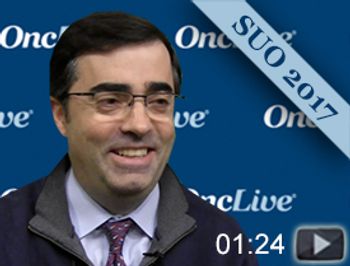
David F. McDermott, MD, director of the Biologic Therapy Program at Beth Israel Deaconess Medical Center, discusses the combination of nivolumab (Opdivo) and ipilimumab (Yervoy) in renal cell carcinoma (RCC).
Elizabeth Plimack, MD, discusses the impact of the immunotherapy approvals in the first- and second-line setting for bladder cancer and the future of combinations for these patients.
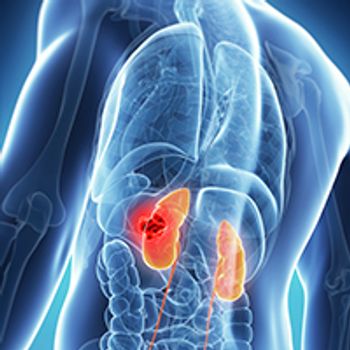
Patients with high-risk renal cell carcinoma who harbor early systemic dissemination with very poor survival prognosis may derive some benefit from adjuvant therapy.

Maria De Santis, MD, discusses the findings of KEYNOTE-045 and the future of immunotherapy in the treatment landscape of bladder cancer.
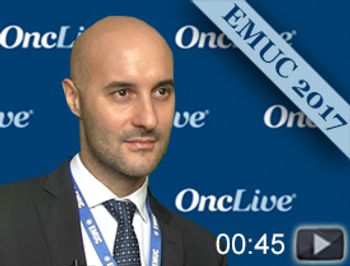
Umberto Capitanio, MD, FEBU, department of Urology, San Raffaele Scientific Institute, University Vita-Salute San Raffaele, discusses adjuvant therapy for patients with high-risk kidney cancer without metastases.
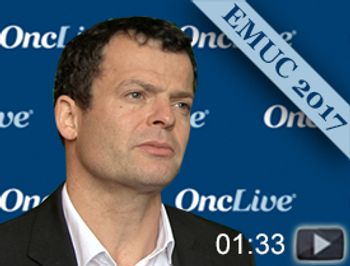
Thomas Powles, MD, Barts Cancer Institute, discusses the impact of immunotherapy on the treatment landscape of kidney cancer.
Andrea Necchi, MD, discusses the evolution of bladder cancer therapies, the challenge with the currently available agents, and the next steps and clinical trials being conducted in the field.