
Experts highlight the top presentations to watch for at the 2025 AUA Annual Meeting.
Experts highlight the top presentations to watch for at the 2025 AUA Annual Meeting.
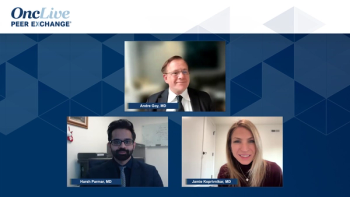
Panelists discuss how the preliminary results from the IMMagine-1 trial (ASH 2024, abstract #1031) on anitocabtagene autoleucel highlight the evolving role of bispecifics and chimeric antigen receptor (CAR) T-cell therapies in the treatment landscape for relapsed/refractory multiple myeloma (R/R MM).
Panelists discuss how the preliminary results from the iMMagine-1 trial on anitocabtagene autoleucel (ASH 2024, abstract #1031) inform the real-world decision-making between bispecifics and chimeric antigen receptor (CAR) T-cell therapy for patients with relapsed/refractory multiple myeloma (R/R MM).
Panelists discuss how the preliminary results from the iMMagine-1 trial of anitocabtagene autoleucel in relapsed/refractory multiple myeloma (R/R MM) highlight promising efficacy in triple-class and penta-class refractory patients, potentially reshaping treatment strategies and challenging existing paradigms in managing heavily pretreated myeloma.
Panelists discuss how real-world comparative analyses reveal nuanced differences in the efficacy and safety profiles of ciltacabtagene autoleucel and idecabtagene vicleucel among patients with relapsed/refractory multiple myeloma (R/R MM), highlighting the critical importance of translating clinical trial data into practical treatment strategies.

Daratumumab plus lenalidomide maintenance improved clinical outcomes vs lenalidomide monotherapy in multiple myeloma after transplant.

Apalutamide reduced the risk of death by over 20% vs enzalutamide and abiraterone acetate, respectively, in metastatic castration-sensitive prostate cancer.

D-VRd has the potential to significantly improve clinical outcomes in transplant-ineligible or -deferred patients with newly diagnosed multiple myeloma.

Treatment with cilta-cel led to improvements across several QOL subscales compared with SOC therapy in patients with lenalidomide-refractory myeloma.

A retrospective study found that interventions for patients experiencing grade 2 vs 3 blinatumomab-associated ICANS were not consistently implemented.

PROs and gene expression in peripheral blood varied in patients with acute myeloid leukemia receiving induction chemotherapy.
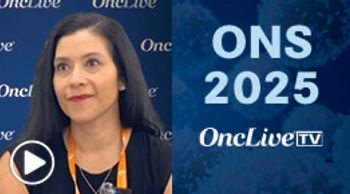
Claudia Aguilar Clancy, FNP-C, AOCNP, discusses the importance of individualized nutritional support as a component of oncology care.

Caroline Kozek, DNP, RN, AGNP-C, OCN, discusses a study assessing oncology nurses’ perceived difficulties in providing palliative care to adult patients.
Daratumumab reduced the risk of disease progression or death vs active monitoring in high-risk smoldering multiple myeloma.
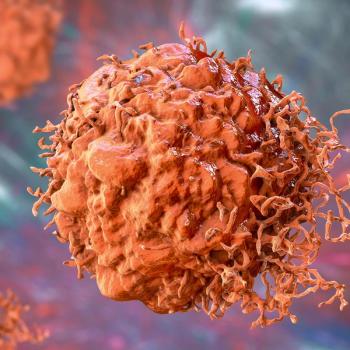
Cancer clinical trial education is valuable and may promote current and future participation.

Early infection risk following cilta-cel infusion in patients with multiple myeloma emphasizes the importance of monitoring for treatment-emergent infections.

Educating patients and health care providers about BiTE-associated CRS and ICANS increases comfort levels with giving these agents in outpatient settings.
Suzanne Mahon DNS, RN, AOCN, AGN-BC, FAAN, discusses the importance of integrating genomic science into oncology practice.
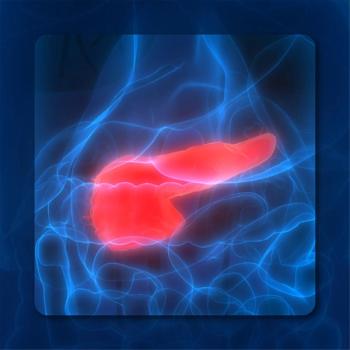
The association between greater hematologic AEs and increased OS necessitates early receipt of G-CSF after NALIRIFOX infusion for patients with PDAC.

Social factors including financial needs and stress caused increased levels of psychoneurological symptoms in breast cancer survivors.

A clinical trial steering committee from the Mount Sinai Health System helped integrate therapeutic clinical trials into the SOC for patients with cancer.

Diarrhea is common in patients with PDAC treated with NALIRIFOX and can be proactively managed or mitigated to potentially improve survival outcomes.
Richard Lee, MD, FASCO, discusses the role of integrative medicine in oncology care.

Subcutaneous nivolumab demonstrated comparable efficacy, safety, and tolerability to IV nivolumab in advanced clear cell renal cell carcinoma.

ARANOTE data underscore that combining darolutamide with ADT benefits patients with mHSPC irrespective of whether they also receive docetaxel.
A study identified individual and non-individual factors as barriers to breast cancer screening for women in Jordan.
Panelists discuss how real-world analyses of chimeric antigen receptor (CAR) T-cell therapies in relapsed/refractory multiple myeloma (R/R MM), as presented in abstract #2408 by Amoozgar et al at ASH 2024, provide insights into the comparative efficacy and safety of ciltacabtagene autoleucel and idecabtagene vicleucel, highlighting differences between real-world outcomes and clinical trial results.
Panelists discuss how key data from ASH 2024 impact current approaches to treating hematologic malignancies, with a focus on multiple myeloma, lymphoma, and leukemia.

Phase 1b data support further exploration of intravenous sirolimus in patients with malignant PEComa.

Osimertinib plus Dato-DXd elicits responses in patients with EGFR-mutated advanced NSCLC who progressed on first-line osimertinib.