

Ultra-low PSA responses were linked with prolonged rPFS and delayed times to mCRPC and PSA progression for patients with mHSPC treated with darolutamide.
Ultra-low PSA responses were linked with prolonged rPFS and delayed times to mCRPC and PSA progression for patients with mHSPC treated with darolutamide.
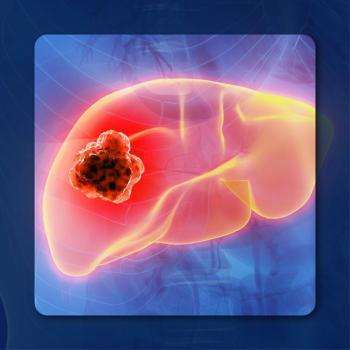
Phase 1 data support further exploration of botensilimab plus balstilimab in patients with hepatocellular carcinoma.
Panelists discuss how iopofosine I 131 demonstrated efficacy and safety in previously treated patients with Waldenstrom macroglobulinemia (WM) in the CLOVER-WaM study, potentially influencing the broader treatment paradigm by introducing a novel targeted radiopharmaceutical approach and shaping future research toward optimizing combination therapies and long-term outcomes.

Experts revisit the most intriguing abstracts and data they saw presented at the 2025 American Urological Association Annual Meeting.
Panelists discuss how the 5-year follow-up data from the ZUMA-5 trial demonstrate sustained efficacy and durable remission of axicabtagene ciloleucel in patients with relapsed/refractory (R/R) indolent non-Hodgkin lymphoma (iNHL), potentially signaling a paradigm shift toward considering chimeric antigen receptor (CAR) T-cell therapy as a more prominent early-line treatment option for these challenging lymphoma subtypes.

Adjuvant aumolertinib improved disease-free survival in complete resected stage II to IIIB non–small cell lung cancer harboring EGFR mutations.

Trifluridine/tipiracil showed a favorable safety profile and numerically improved DFS vs placebo in MRD-positive CRC.

First-line adagrasib monotherapy demonstrated preliminary efficacy and tolerability in patients with SK11- and KRAS G12C–mutant NSCLC.

Botensilimab and balstilimab proved active and safe as neoadjuvant therapy in patients with mismatch repair–deficient and –proficient solid tumors.

Herbert H F Loong, MBBS(HK), PDipMDPath(HK), MRCP(UK), FRCP Edin, FHKCP, FHKAM(Medicine), FASCO, discusses the efficacy of D3S-001 in pretreated NSCLC.

Avutometinib plus abemaciclib and fulvestrant had manageable toxicity in CDK4/6-resistant, HR+/HER2– metastatic breast cancer.

A phase 1b trial examining SYN818 plus olaparib in patients with solid tumors will be conducted in the second half of 2025.

Runimotamab in combination with trastuzumab led to clinical activity and tolerability vs runimotamab alone in HER2-positive breast cancer.

Amin Sobh, PhD, discusses findings from a study investigating the immune surveillance–modulating capabilities of NSD2 overexpression in multiple myeloma.

Invikafusp alfa was active in unresectable, locally advanced or metastatic solid tumors resistant to immune checkpoint inhibitors.

Initial fruquintinib followed by regorafenib extended OS vs the reverse sequence of the agents in patients with metastatic colorectal cancer.

A low dose of ICT01 added to combination therapy with azacitidine and venetoclax proved active and safe as frontline therapy in patients with AML.

Padeliporfin vascular targeted photodynamic therapy was safe and generated responses in low-grade, upper tract urothelial cancer.
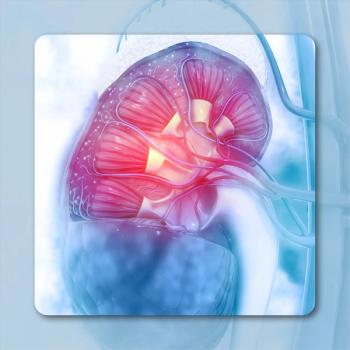
A high proportion of patients with renal tumors were discharged on the same day after receiving robotic partial nephrectomy.
Michael Cecchini, MD, discusses the effects of neoadjuvant chemotherapy on tumor-infiltrating lymphocyte levels in colorectal cancer with liver metastases.

Although the combination of azacitidine alone plus relatlimab/nivolumab was deemed safe, it had limited efficacy in patients with relapsed/refractory AML.

Fruquintinib plus capecitabine demonstrated preliminary efficacy and safety as maintenance therapy in RAS/BRAF wild-type metastatic colorectal cancer.
Glenn J. Hanna, MD, discusses the efficacy of elraglusib plus chemotherapy with or without immunotherapy in patients with advanced salivary gland cancer.
Pietro Scilipoti, MD, discusses the need for better life expectancy assessment to guide prostate cancer treatment strategies.
Felix Guerrero-Ramos, MD, PhD, discusses the potential role of TAR-200 in high-risk, BCG-unresponsive, papillary-only non–muscle-invasive bladder cancer.
Darolutamide plus ADT improved rPFS in Black patients with metastatic hormone-sensitive prostate cancer treated in ARANOTE.

Updated findings from a phase 2 study investigating the IL-2–binding monoclonal antibody AU-007 show a manageable safety profile with antitumor evidence.

Eighty percent of patients with early-stage dMMR solid tumors given neoadjuvant dostarlimab underwent nonoperative management of their disease.

Early complete clearance of ctDNA was linked with clinical responses to daraxonrasib in RAS-mutant advanced non–small cell lung cancer.
S. Daniel Haldar, MD, discusses outcomes for NeoAg-Vax with or without pembrolizumab in MSS metastatic colorectal cancer.