

Tara C. Mitchell, MD, discusses considerations and lingering questions regarding pre- and post-operative management strategies in stage IIB/IIIC melanoma.
Tara C. Mitchell, MD, discusses considerations and lingering questions regarding pre- and post-operative management strategies in stage IIB/IIIC melanoma.

Kelly E. McCann, MD, PhD, discusses how novel ADCs and targeted therapies could improve treatment strategies in HER2-positive breast cancer.

Amy M. Ahnert, MD, details the significance of findings on the link between CVD and breast cancer as well as next steps to further define the connection.

Piflufolastat F18 imaging impacted treatment decisions and was associated with clinician confidence in prostate cancer management.

The FDA granted fast track designation to IBI363 for squamous non–small cell lung cancer.
Patients with advanced prostate cancer who initiated treatment with relugolix indicated various treatment preferences and reasons for therapy initiation.
Adherence rates improved the longer patients with metastatic and nonmetastatic prostate cancer received relugolix for a high overall adherence rate.

The FDA and European Commission have approved 2 biosimilars referencing denosumab for cancer-related bone loss and other indications.
CDK2 regulates the cell cycle and may have the potential to drive therapeutic resistance to common breast cancer drugs — including CDK4/6 inhibitors.

Christopher P. Fox, PhD, discusses the upcoming phase 3 TERZO trial of duvelisib in patients with nodal T-cell lymphoma with follicular helper T phenotype.

Ritu Salani, MD, MBA, details the significance of trials examining avutometinib plus defactinib and enthusiasm for ADCs in ovarian cancer.

Ide-cel proved feasible and effective in boosting response in patients with myeloma with suboptimal response to standard frontline therapy.

Non-myeloablative HSCT with TLI/TBI/ATG conditioning was safe and active in eliciting immune quiescence and tolerance.
CD4-, FOXP3-, and Helios-positive conventional T cells were increased in patients receiving Orca-T vs peripheral blood stem cell grafts.

The top 5 videos of the week cover insights in plexiform neurofibromas, melanoma, myeloma, leukemia, and LBCL.
No significant differences in PROs were shown between the tivozanib/nivolumab and tivozanib monotherapy arms in patients with advanced clear cell RCC.

Nivolumab in combination with cabozantinib displayed a long-term PFS benefit in patients with treatment-naive advanced RCC.
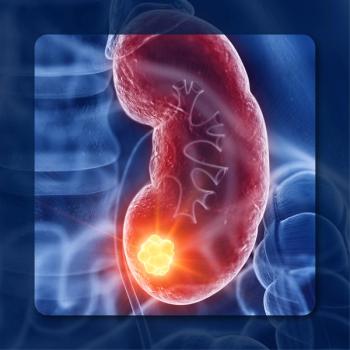
CBM588 plus cabozantinib and nivolumab shows early efficacy in metastatic renal cell carcinoma.
Efficacy results remained consistent with previous reports in the cabozantinib, nivolumab, and ipilimumab arm for patients with advanced renal cell carcinoma.
The combination of first-line avelumab and axitinib was effective and safe in a real-world analysis of patients with advanced RCC.
Updated results further supported the feasibility of VEGFR TKI interruption and immunotherapy maintenance in advanced renal cell carcinoma.

Neoadjuvant lenvatinib plus pembrolizumab followed by adjuvant pembrolizumab was safe and effective in patients with locally advanced, nonmetastatic ccRCC.
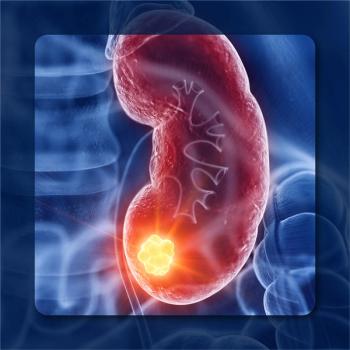
Greater responses were observed in a cohort of patients with renal cell carcinoma receiving lenvatinib plus belzutifan vs pembrolizumab plus lenvatinib.

An ER model analysis showed that 1.34 mg of tivozanib provided a greater decrease in tumor size and may be more tolerable than an 0.89-mg dose in RCC.

Orca-T improved OS vs post-transplant cyclophosphamide in a retrospective analysis of patients with hematologic malignancies.
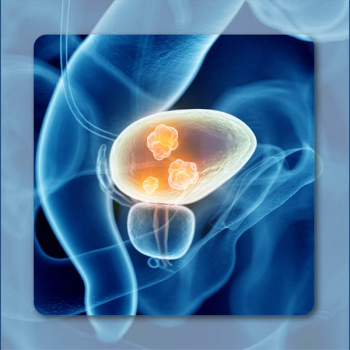
Data spotlighted that the addition of perioperative durvalumab to radical cystectomy and adjuvant chemotherapy improved outcomes in MIBC.

Dato-DXd generated durable responses and produced no new safety signals in patients with heavily pretreated, locally advanced/metastatic urothelial cancer.

Enfortumab vedotin plus pembrolizumab maintains compelling benefit over chemotherapy in untreated locally advanced or metastatic urothelial cancer.

Mirdametinib is approved in select plexiform neurofibromas, experts preview top ASCO GU abstracts, NCCN updates ctDNA stance in several tumors, and more.
Cilta-cel led to rapid and deep MRD negativity in patients with lenalidomide-refractory multiple myeloma.