

E-selectin has emerged as a viable target in acute myeloid leukemia, and agents like uproleselan have the potential the increase AML cells’ sensitivity to chemotherapies such as cladribine plus low-dose cytarabine.
E-selectin has emerged as a viable target in acute myeloid leukemia, and agents like uproleselan have the potential the increase AML cells’ sensitivity to chemotherapies such as cladribine plus low-dose cytarabine.

The FDA has approved the Oncomine Dx Target Test as a companion diagnostic to select patients with RET fusion–positive locally advanced or metastatic non–small cell lung cancer, advanced or metastatic thyroid cancer, and advanced or metastatic medullary thyroid cancer who could be candidates to receive selpercatinib.

The FDA has accepted for review a new drug application for 18F-rhPSMA-7.3, an investigational radiohybrid PSMA-targeted PET imaging agent for diagnostic imaging of prostate cancer, according to an announcement from Blue Earth Diagnostics.

Aumolertinib significantly prolonged progression-free survival vs gefitinib in treatment-naïve patients with locally advanced or metastatic non–small cell lung cancer harboring EGFR mutations, according to findings from the phase 3 ANEAS trial published in the Journal of Clinical Oncology.

Press Release
Scott M. Welford, Ph.D., is the new Tumor Biology Research Program co-leader at Sylvester Comprehensive Cancer Center at the University of Miami Miller School of Medicine.

Outcomes from randomized phase 3 cancer trials are the foundation for regulatory approvals of novel antineoplastic therapeutics and, when available, treatment guidelines.

Nilay Shah, MD, discusses the importance of the FDA approval of sodium thiosulfate for pediatric patients with solid tumors, the favorable toxicity profile of the agent, and how clinical trial findings may inform future care in this population.

The FDA has granted an orphan drug designation to SynKIR-110, a first-in-class KIR-CAR T-cell immunotherapy candidate, for the treatment of patients with mesothelin-expressing mesothelioma.

Giredestrant provided a numerical, but not statistically significant, improvement in progression-free survival over physician’s choice of endocrine therapy in patients with estrogen receptor–positive, HER2-negative, locally advanced or metastatic breast cancer, according to data from the phase 2 acelERA BC study.

Chemoimmunotherapy combinations, along with therapies targeting IDH1, FGFR2, and HER2 mutations, are ushering in a new era of treatment for biliary tract cancers.

Gavocabtagene autoleucel demonstrated positive topline results from the phase 1 portion of a phase 1/2 trial in patients with mesothelin-expressing solid tumors.

NYU Langone Health has been recognized as No. 1 in quality and safety for inpatient and ambulatory care by Vizient, Inc.
The FDA has approved bevacizumab-adcd, a bevacizumab biosimilar, for the treatment of six types of cancer.

Vinorelbine plus cyclophosphamide and capecitabine led to a significant improvement in time to treatment failure compared with paclitaxel alone in patients with estrogen receptor–positive, HER2-negative locally advanced or metastatic breast cancer.

The addition of pyrotinib to trastuzumab and docetaxel significantly improved progression-free survival vs trastuzumab/docetaxel alone in patients with HER2-positive metastatic breast cancer.

Pafolacianine used during ovarian cancer surgery identified additional tumors that were not detected with conventional means and not otherwise planned for resection, according to results from a phase 3 study recently published in the Journal of Clinical Oncology.

Julien Maziéres, MD, PhD, explains the importance of defining a second-line standard of care in the EGFR-mutated non–small cell lung cancer population, highlights the long-term benefits seen with tepotinib plus osimertinib, and previews the next steps that should be taken toward more individualized patient care.

Sunvozertinib provided beneficial antitumor activity when used as a second- or later-line treatment in patients with non–small cell lung cancer harboring EGFR exon 20 insertion mutations who received prior platinum-based chemotherapy.

Press Release
Sylvester Comprehensive Cancer Center at the University of Miami Miller School of Medicine’s Game Changer vehicles, which bring health education and free screenings for many cancer types to South Florida communities in need, are offering prostate-specific antigen screening for prostate cancer.
The FDA has granted a fast track designation to AL102 for the treatment of patients with progressing desmoid tumors.

Desmoid tumors, also known as aggressive fibromatosis, share some characteristics with cancers, specifically unchecked cell growth. However, it is not accurate to call them a cancer.

Pembrolizumab plus platinum/pemetrexed continued to demonstrate an overall survival and progression-free survival benefit vs platinum/pemetrexed alone in patients with previously untreated, metastatic squamous non–small cell lung cancer.
Flavio G. Rocha, MD, FACS, FSSO, discusses the types of biliary tract cancer and what has been learned about them, explains the effects of systemic therapy on surgery, and relays remaining questions pertaining to the efficacy of immunotherapy.

Nageshwara Arvind Dasari, MD, discusses the results of the phase 3 FRESCO-2 trial of fruquintinib in patients with refractory metastatic colorectal cancer, the significance of the data for the treatment paradigm, and the potential next steps for examining the agent in this disease.
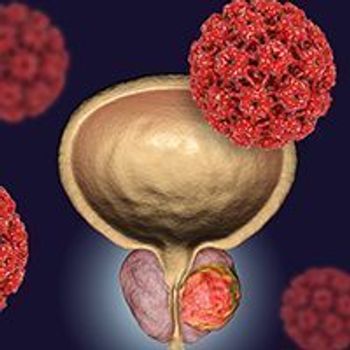
The addition of AZD4635 to durvalumab or oleclumab did not elicit significant responses in heavily pretreated patients with metastatic castration-resistant prostate cancer.
The FDA has granted a fast track designation to KIN-2787 for use as a potential therapeutic option in patients with BRAF class II or III alteration–positive and/or NRAS mutation–positive, metastatic or unresectable, stage IIB to IV malignant melanoma.

Intensity-modulated radiation therapy elicited durable efficacy and a favorable safety profile compared with conventional radiotherapy in patients with endometrial and cervical cancers who received postoperative pelvic radiation.

The Japan Ministry of Health, Labor and Welfare has approved valemetostat tosilate for the treatment of patients with relapsed or refractory adult T-cell leukemia/lymphoma.

Press Release
Fox Chase Cancer Center is pleased to announce the hiring of Anthony M. Villano, MD, as a clinical instructor in the Department of Surgical Oncology.

The field of relapsed/refractory small cell lung cancer is expanding to include novel options for disease management, most notably, the chemotherapy lurbinectedin.