
Data that were presented during the 2021 ASCO Annual Meeting shed light on new therapeutic strategies, and treatment considerations that are expanding the paradigms of gastrointestinal malignancies.
Data that were presented during the 2021 ASCO Annual Meeting shed light on new therapeutic strategies, and treatment considerations that are expanding the paradigms of gastrointestinal malignancies.
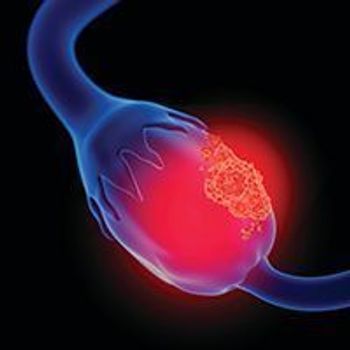
The addition of GEN-1 to standard-of-care neoadjuvant chemotherapy has shown preliminary safety and clinical activity and appears to have an impact on the tumor microenvironment in patients with advanced epithelial ovarian cancer.
The COVID-19 pandemic had a relatively limited effect on immuno-oncology research, according to results from the Association of Community Cancer Centers fourth annual analysis of the IO landscape.
The FDA has placed a partial clinical hold on clinical trials examining the combination of eprenetapopt and azacitidine in patients with myeloid malignancies.
Noa Biran, MD, discusses her predictions for where the field of multiple myeloma is headed as well as some of these agents that have generated excitement for patient populations that are currently an unmet need.
Refining treatment is not only a key aim of research in breast cancer but a greater possibility in the clinic with neoadjuvant and adjuvant PARP inhibitors, HER2 monoclonal antibodies, and greater stratification of genomic risk.

The FDA has issued a complete response letter to Spectrum Pharmaceuticals regarding the biologics license application for eflapegrastimas a potential option for the management of chemotherapy-induced neutropenia.
TheraSphere Y-90 glass microspheres offer a precision medicine technique aimed at delivering high-dose radiation directly to tumors.
Marina Kremyanskaya, MD, PhD, discussed the results of the phase 2 PTG-300-04 trial, which were presented at the European Hematology Association 2021 Virtual Congress, and the potential for rusfertide as a treatment option for patients with polycythemia vera.
An association has been found in Latin American patients with lung adenocarcinoma between Native American ancestry and somatic landscape, including EGFR, KRAS, and STK11 mutations, as well as tumor mutational burden.
Avapritinib did not improve progression-free survival vs regorafenib in patients with unresectable or metastatic gastrointestinal stromal tumors, but the agent continues to be the most active available option for a subset of patients with PDGFRA D842V–mutant disease.
The FDA has granted an orphan drug designation to sotigalimab as a potential therapeutic option for patients with soft tissue sarcoma.
Though there have been significant and recent therapeutic developments for patients with myelofibrosis, allogeneic hematopoietic stem cell transplant remains the sole curative therapeutic modality.
The FDA has granted priority review to a supplemental biologics license application for pembrolizumab for the use as an adjuvant treatment in adult and pediatric patients with stage IIB or IIC melanoma following complete resection.
The combination of cemiplimab-rwlc plus platinum-doublet chemotherapy was found to significantly improve overall survival over chemotherapy alone in the frontline treatment of patients with advanced non–small cell lung cancer, meeting the primary end point of the phase 3 EMPOWER-Lung 3 trial.
Low-dose venetoclax monotherapy demonstrated antitumor activity in patients with heavily pretreated multiple myeloma and light chain amyloidosis harboring t(11;14).
The FDA has granted a priority review designation to a supplemental new drug application for cabozantinib for the treatment of patients with differentiated thyroid cancer who have progressed after previous therapy and who are radioactive iodine refractory.
Understanding the oncogenic drivers behind a cancer is taking on increasing importance as more effective agents targeting specific gene aberrations continue to emerge.
Investigators of the phase 3 ULTRA-V trial are look-ing to leverage the synergistic capabilities of venetoclax for patients with chronic lymphocytic leukemia with the addition of the U2 regimen of ublituximab in combination with umbralisib.
The combination of a CF33-CD19 oncolytic virus technology and CyCART-19, is under development for use as a potential therapeutic option for patients with solid tumors.
The combination of plinabulin plus docetaxel resulted in a statistically significant improvement in overall survival vs docetaxel alone when used in the second- or third-line treatment of patients with EGFR wild-type, non–small cell lung cancer and measurable lung lesions.
Benjamin H. Kann, MD, discusses the significance of the PACIFIC trial in patients with stage III NSCLC, existing barriers to treatment, and shared strategies to overcome common challenges faced in clinical practice.
Chung-Han Lee, MD, PhD, discusses the goals of the phase 3 KEYNOTE-B61 study and the potential for immunotherapy/TKI combinations in non–clear cell RCC.
At a median follow-up of 42.8 months, frontline pembrolizumab plus axitinib continued to yield improved outcomes over sunitinib in patients with advanced clear cell renal cell carcinoma.
The novel agents olutasidenib, brexucabtagene autoleucel, and ponatinib demonstrated encouraging data at the 2021 ASCO Annual Meeting in leukemias, renewing hope in the ability to salvage patients with relapsed/refractory disease.
The subspecialty of cardio-oncology has grown in recent years as improved cancer survival rates have expanded the population of long-term survivors with heightened risk of cardiovascular disease and drawn more attention to the need for preventive strategies and disease management.
David R. Gandara, MD has been appointed chief medical officer of the International Society for liquid biopsy, an international non-profit organization dedicated to advancing the field of liquid biopsy in cancer diagnosis and management.
G. Thomas Budd, MD, discussed the promise of tailored treatment approaches in HER2-positive breast cancer, the utility of the combination of fixed-dose trastuzumab, pertuzumab, and hyaluronidase-zzxf via subcutaneous administration, and how sequencing could be further affected by drug development.

The 2021 ASCO Annual Meeting was chock full of practice-changing, practice-affirming, and exciting preliminary research in non–small cell lung cancer, said Melissa Johnson, MD.
Bristol Myers Squibb has made the decision to withdraw in the indication for romidepsin as a monotherapy for the treatment of adult patients with peripheral T-cell lymphoma who have previously received at least 1 therapy.