

Tanya Dorff, MD, discusses how the FDA approvals of olaparib and rucaparib have paved the way for additional research with PARP inhibitors in metastatic castration-resistant prostate cancer.
Tanya Dorff, MD, discusses how the FDA approvals of olaparib and rucaparib have paved the way for additional research with PARP inhibitors in metastatic castration-resistant prostate cancer.

Chemoimmunotherapy has become the standard of care for the frontline treatment of patients with PD-L1–positive, locally advanced or metastatic triple-negative breast cancer. However, understanding which patients will derive the most benefit from the approach is in need of further exploration

Ulrich Steidl, MD, PhD, discusses translational research efforts that have been made with targeting leukemia stem cells and ongoing clinical trials that are examining novel therapeutic targets in myeloid malignancies and beyond.
Daniel Lin, MD, MS, highlights pivotal trials evaluating immunotherapy regimens in patients with hepatocellular carcinoma, remaining sequencing questions, and emerging regimens that are showing promise.

In the cancer arena, COVID-19 information problems highlight the critical role of clear, honest, and effective communication with the public, patients, and their families regarding the increasing complexity of a multitude of topics related to malignant disease and its management.

The RET inhibitor TPX-0046 demonstrated encouraging preliminary activity, which included objective responses, and an acceptable toxicity profile when used in patients with RET-driven advanced solid tumors.
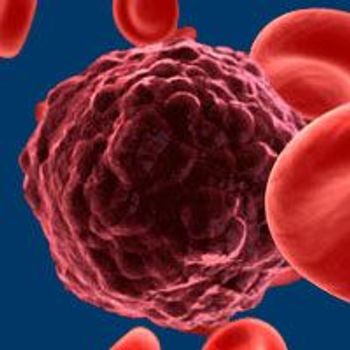
The rolling submission of a biologics license application to support the approval of the investigational BCMA-directed CAR T-cell therapy ciltacabtagene autoleucel for the treatment of patients with relapsed/refractory multiple myeloma has been completed.

Thomas C. Krivak, MD, discusses the significance of HRD in ovarian cancer, approved and prospective HRD tests, and considerations for genomic testing in this population.
Jonathan L. Kaufman, MD, discusses the significance of subcutaneous D-VCd in the treatment of patients with AL amyloidosis, remaining questions with the approach, and emerging strategies for those with high-risk cardiac features.
Axel Grothey, MD, discusses the potential applications for ctDNA in CRC and shed light on the updated analysis from the pivotal IMbrave150 trial in advanced hepatocellular carcinoma.

Lakshmi Rajdev, MD, discusses some of the key developments made with immunotherapy in GI cancers and the groundbreaking data that have recently read out to support their use.

Wade T. Iams, MD, discusses the efficacy and safety of lurbinectedin in patients with small cell lung cancer, the impact of its approval on the paradigm, and remaining questions regarding its use.

Optimal patient selection and duration of therapy are the 2 biggest areas to tackle regarding CDK4/6 inhibition in the adjuvant setting of estrogen receptor–positive breast cancer.

Somatic KMT2A rearrangements, RAS/MAPK mutations, RUNX1 and TP53 alterations, and MECOM overexpression were all found to be common oncogenic drivers of pediatric therapy-related myeloid neoplasms, arising predominantly after exposure to cytotoxic therapy and identifiable at least 1 year prior to morphologic evidence of neoplasm.

The coronavirus disease 2019 pandemic required that investigators, sponsors, and regulators adapt clinical trials to prioritize the safety of patients. Now momentum is gathering to make permanent the flexibilities introduced in regulations and procedures to improve access to clinical trials for patients with cancer.

Although trastuzumab-based regimens remain the standard treatment for patients with early-stage HER2-positive breast cancer, unanswered clinical questions surround the use of other agents in the neoadjuvant and adjuvant settings.
Ghaith Abu-Zeinah, MD, shares what inspired the study examining IFN vs standard strategies, key findings from the research, and the clinical implications of these data on the PV treatment paradigm.

Optimizing first- and second-line therapy, understanding the role of maintenance therapy for patients with BRCA-positive disease, and developing improved therapeutic options for elderly patients has become a priority for research in metastatic pancreatic cancer.
Data from the pivotal phase 3 KATHERINE has led to the addition of ado-trastuzumab emtansine to the HER2-positive breast cancer treatment arsenal, but the toxicities associated with the approach must be appropriately managed so that patients can continue to receive it.
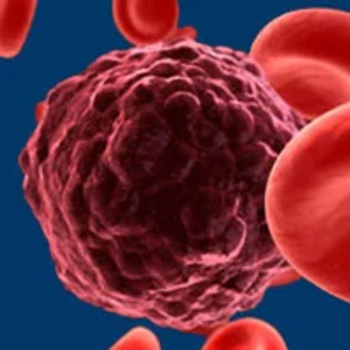
The addition of narsoplimab to human serum significantly inhibited the formation of C5b-9 and platelet thrombi on human microvascular endothelial cells in 3 patients with acute hematopoietic stem cell transplant – or bone marrow transplant –associated thrombotic microangiopathy.
Data from the phase 3 CheckMate-9ER trial has not only confirmed the advantage of cabozantinib plus nivolumab in terms of progression-free survival, overall survival, and responses vs sunitinib in the frontline treatment of patients with advanced renal cell carcinoma, but it has served as additional incentive to push the needle even further with research aimed at evaluating triplet regimens in the frontline setting and response-guided sequencing strategies.

A supplement biologics license application has been submitted to the FDA for brexucabtagene autoleucel as a treatment for adult patients with relapsed/refractory B-cell precursor acute lymphoblastic leukemia.

Out-of-pocket costs for patients with ovarian cancer who have been treated with PARP inhibitors are generally low, according to recent study results from a single institution.

Investigation into a novel oncolytic adenovirus as a treatment option for patients with colorectal cancer and other cancers with liver metastasis is underway.
The US Oncology Network, the largest organization of its kind dedicated to advancing local cancer care and better patient outcomes, continues to expand its reach into local communities while broadening its surgical expertise with the addition of physicians from Texas Colon & Rectal Specialists, a large colorectal practice in North Texas, as a part of Texas Oncology, a practice in The Network.
A simplified geriatric assessment offers a validated objective tool to assess fitness status and should be considered the new Elderly Prognostic Index standard to predict overall survival in older patients with diffuse large B-cell lymphoma.
Although endocrine therapies have revolutionized the treatment of breast cancers driven by the estrogen receptor, the development of resistance remains a major challenge that limits long-term remission with currently available drugs.

The multitumor-associated antigen-specific T-cell product MT-401 is under investigation as a potential treatment option for patients with acute myeloid leukemia following allogeneic stem cell transplant in both the adjuvant and active disease settings.

The HER3-directed antibody-drug conjugate patritumab deruxtecan is under exploration in the treatment of patients with EGFR-mutated, metastatic or locally advanced non–small cell lung cancer who had previously received a TKI and platinum-based chemotherapy.
The European Medicines Agency’s Committee for Medicinal Products for Human Use has adopted a positive opinion recommending the approval of single-agent duvelisib for the treatment of adult patients with relapsed or refractory chronic lymphocytic leukemia following at least 2 prior therapies, and follicular lymphoma that is refractory to at least 2 prior systemic treatments.