
Justin T. Matulay, MD, discusses whether there is a role for cytoreductive nephrectomy in metastatic renal cell carcinoma, as well as key data that have helped guide this paradigm.
Justin T. Matulay, MD, discusses whether there is a role for cytoreductive nephrectomy in metastatic renal cell carcinoma, as well as key data that have helped guide this paradigm.

William G. Wierda, MD, PhD, discusses the latest CAPTIVATE findings in patients with chronic lymphocytic leukemia.
Beau Toskich, MD, discusses key results that demonstrate the benefit of personalized dosimetry, and offered advice to fellow clinicians as the field moves toward adopting this radiotherapeutic modality.
The current standard of care for patients with non–small cell lung cancer does not include therapies targeting HER2, a mutation that occurs in up to 4% of cases. However, data from recent studies of antibody-drug conjugates directed at HER2 activity are generating excitement about the potential utility of ADCs in this space.

The scope of adult nonmalignant hematology can be broad and includes thrombotic and hemorrhagic disorders, transfusion medicine, hemoglobin disorders including sickle cell disease and thalassemia, anemia, thrombocytopenia, leukocytosis, leukopenia, and disorders of iron metabolism.

Andrew Spencer, MD, MBBS, FRACP, FRCPA discusses the significance of the PANORAMA 3 study in multiple myeloma.

The idea that HPV-negative cervical cancer is possible, especially in a disease that is mainly driven by HPV positivity, is not a unanimous opinion.

Timothy F. Burns, MD, PhD, dissects the role of osimertinib in EGFR-mutant NSCLC, sheds light on remaining questions in the field, and speaks to some of the most intriguing emerging agents in the space.

Sagar Lonial, MD, discussed key facets of belantamab mafodotin and potential next steps.
January 20, 2021 - The antibody-drug conjugate trastuzumab deruxtecan has been granted conditional approval in the European Union for use as a single agent in the treatment of adult patients with unresectable or metastatic HER2-positive breast cancer who have previously received 2 or more HER2-based regimens.
The FDA has granted priority review to a supplemental biologics license application for nivolumab for use as an adjuvant treatment for patients with resected esophageal or gastroesophageal junction cancer following neoadjuvant chemoradiation treatment.
Although recent benefits do not pertain to all cancers and “cure” remains a relatively uncommon event, oncologists have an increasing number of molecularly targeted and immunotherapeutic strategies to employ based on objectively meaningful clinical trial outcomes.
January 20, 2021 - The FDA has granted a priority review to a supplemental biologics license application for nivolumab in combination with a fluoropyrimidine- and platinum-containing chemotherapy for use in patients with advanced or metastatic gastric cancer, gastroesophageal junction cancer, or esophageal adenocarcinoma.
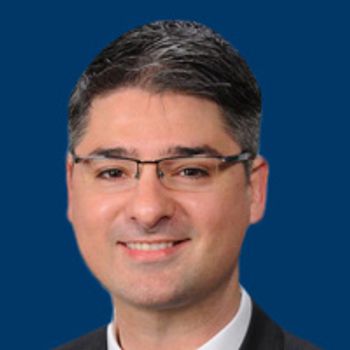
Beau Toskich, MD, discusses the potential of TheraSphere as a therapy in hepatocellular carcinoma, the importance of utilizing a multidisciplinary approach among novel radiation oncology agents, and his hope for a future prospective clinical trial evaluating Y-90.
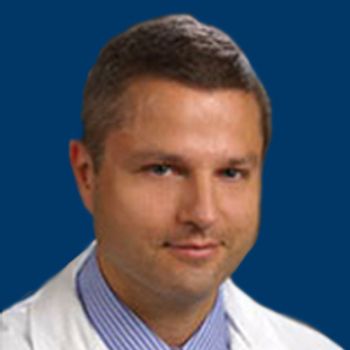
Jakub Svoboda, MD, discusses the results of the ECHELON-2 trial and explained where clinical research is headed in peripheral T-cell lymphoma.
Katie Keane, MD, highlights the evolving role of stereotactic body radiation therapy in the treatment of patients with stage I lung cancer, the utilization of immunotherapy with chemoradiation in stage III disease, and research evaluating radiation in those with oligometastatic disease.
January 19, 2021 - Imetelstat exhibited dose-dependent inhibition of the telomerase target, as evaluated by reductions in telomerase activity, human reverse transcriptase levels, and telomere length, in patients with relapsed/refractory myelofibrosis who were enrolled in the phase 2 IMbark trial.
January 19, 2021 - The FDA’s Center for Devices and Radiological Health has granted premarket approval to diagnostic breast cancer imaging technology developed by Seno Medical Instruments to assist in the differentiation between benign and malignant breast lesions in patients.
January 19, 2021 — The FDA has granted priority review to the biologics license application for narsoplimab for the treatment of hematopoietic stem cell transplant-associated thrombotic microangiopathy.

At the beginning of his career as a medical oncologist in the 1990s, lung cancer specialist Rogerio C. Lilenbaum, MD, was squarely focused on diagnosing and treating his patients while translating emerging clinical research into practice.
As oncologists, we are here to help patients and their families as much as we can. That is why we went into cancer medicine. It is what we do every day. Until the coronavirus disease 2019 pandemic knocked on our doors.

Alison R. Sehgal, MD, discusses some of the novel approaches that have been adopted into practice and ongoing research building on the advances that have been made with targeted therapy.
January 18, 2021 — The FDA has granted a fast track designation to padeliporfin Immune Photo Activated Cancer Therapy for use in the treatment of patients with low-grade and unifocal upper-tract urothelial cancer.

Tony S.K. Mok, MD's, early research tackled a grab bag of topics, including pancreatic, colon, and lung cancers, as he tried to catch up with his colleagues.

Despite the availability of next-generation PET imaging modalities that can detect metastasis earlier, apalutamide, enzalutamide, and darolutamide remain the standard of care for patients with nonmetastatic castration-resistant prostate cancer who have a prostate-specific antigen doubling time of less than 10 months.
Steven Devine, MD, discusses the non-relapse mortality data with Orca-T and how this technologic approach is changing how providers approach patients with hematologic malignancies following transplant.

Single-agent pembrolizumab demonstrated durable antitumor activity among patients with treatment-naïve hepatocellular carcinoma, suggesting that the checkpoint inhibitor may have additional utility in this space, according to findings from a phase 2 trial presented during the 2021 Gastrointestinal Cancers Symposium.

January 18, 2021 - The phase 2 TAMARIN study exploring the activity of tamoxifen on driver variant allele frequency in patients with stable myeloproliferative neoplasms met its primary end point.
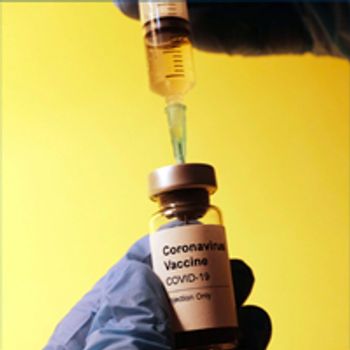
Before New Year’s Day, millions of Americans had received the coronavirus disease 2019 vaccine, including frontline physicians and health care providers and nursing home patients, our most vulnerable citizens.
January 17, 2021 - Pembrolizumab demonstrated maintained numerical improvements in overall survival and progression-free survival compared with placebo in patients with previously treated advanced hepatocellular carcinoma.