
Jorge E. Cortes, MD, discusses future directions in the research of CPX-351 in patients with acute myeloid leukemia.

Your AI-Trained Oncology Knowledge Connection!
Jorge E. Cortes, MD, discusses future directions in the research of CPX-351 in patients with acute myeloid leukemia.
Geoffrey T. Gibney, MD, discusses efforts made to determine the optimal duration of treatment with anti–PD-1 agents in patients with melanoma.
CD19-targeted CAR T-cell therapies have yielded durable remissions in approximately half of all patients with aggressive relapsed/refractory B-cell lymphomas.

Treatment with chimeric antigen receptor T cells has induced unprecedented overall response rates and complete response rates in patients with relapsed/refractory B cell malignancies.

Since the publication of the pivotal ELIANA trial in pediatric patients with acute lymphoblastic leukemia, the field of CAR T-cell therapy has grown significantly and left providers better equipped to understand and manage treatment-related adverse effects, such as cytokine release syndrome.
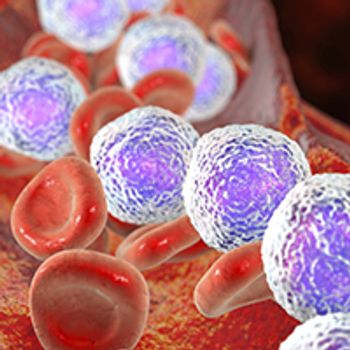
Total body irradiation plus etoposide prior to hematopoietic stem cell transplantation resulted in improved overall survival and a lower risk of relapse in pediatric patients with high-risk acute lymphocytic leukemia compared with chemotherapy conditioning.

The FDA has granted a breakthrough therapy designation to cabozantinib as a potential therapeutic option for patients with differentiated thyroid cancer that has progressed after previous therapy and who are refractory to radioactive iodine.

Edward Kaftan, PhD, has been appointed Assistant Cancer Center Director for Translational Science at Yale Cancer Center.
Timothy M. Schmidt, MD, discusses the integration and utility of bispecific antibodies in relapsed/refractory multiple myeloma, as well as some of the most promising agents in clinical development.

The COVID-19 pandemic may have stalled some physician retirements, but some experts are predicting an exodus of oncologists within the next 1 or 2 years. Practice managers are working now to mitigate the impact with both formal and informal initiatives.
Margarita Majem, MD, PhD, discusses the safety profile of osimertinib in patients with EGFR-mutated non–small cell lung cancer.
Bob T. Li, MD, PhD, MPH, discusses the efficacy of sotorasib in patients with KRAS G12C–mutated advanced non-small cell lung cancer, as demonstrated in phase 2 cohort results of the phase 2 CodeBreaK 100 trial.
Robert Wenham, MD, MS, FACOG, FACS, discusses novel immunotherapy combinations for the treatment of patients with ovarian cancer.

February 24, 2021 - The CAR T-cell product KTE-X19 continues to demonstrate durable clinical benefit in patients with relapsed/refractory mantle cell lymphoma, with an overall response rate of 92%.
Fixed-duration treatment that leads to deep treatment-free remissions has become the prioritized strategy for patients with chronic lymphocytic leukemia, made possible by agents such as venetoclax, umbralisib, and lisocabtagene maraleucel.
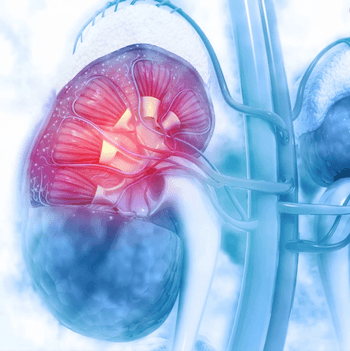
February 24, 2021—The off-the-shelf immune primer ilixadencel in combination with sunitinib showcased an encouraging, clinically meaningful survival benefit when used in the first-line treatment of newly diagnosed patients with metastatic renal cell carcinoma.
February 24, 2021 - An independent data safety monitoring committee has not observed any safety issues with the phase 3 OVAL trial examining VB-111 in patients with platinum-resistant ovarian cancer, and as such, has recommended that the trial continue as planned.
February 24, 2021 - The FDA has granted a breakthrough therapy designation to tipifarnib for use in patients with recurrent or metastatic HRAS-mutated head and neck squamous cell carcinoma with variant allele frequency of 20% or higher following progressive disease on platinum-based chemotherapy.
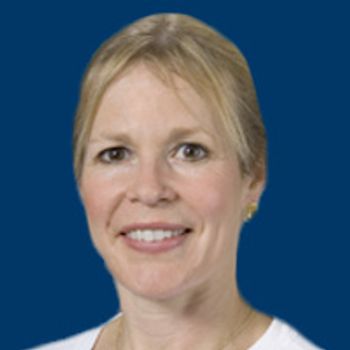
Natalie S. Callander, MD, discusses the intriguing approaches in both the frontline and relapsed/refractory settings, including trials with antibody-drug conjugates.
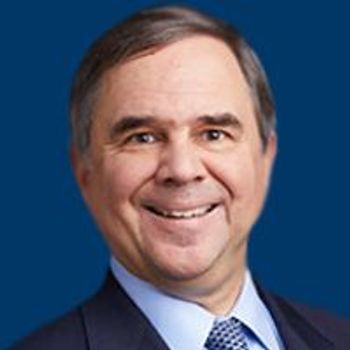
Enfortumab vedotin significantly prolonged survival as compared with standard chemotherapy in patients with locally advanced or metastatic urothelial carcinoma or bladder cancer, who had previously received platinum-based treatment and a PD-1–PD-L1 inhibitor.

Although a majority of pancreatic cancer cells are highly dependent on endogenous biosynthesis of cholesterol, new research from investigators at Fox Chase Cancer Center has demonstrated that some more aggressive pancreatic cancers are completely independent of this process.

Binod Dhakal, MD, discusses the potential impact of ide-cel, orva-cel, and cilta-cel in multiple myeloma therapy.

Joleen M. Hubbard, MD, discusses identifying disease progression in patients with colorectal cancer.

Feburary 23, 2021 — The addition of the anti-CD20 monoclonal antibody ublituximab to ibrutinib led to a statistically higher overall response rate over ibrutinib alone with acceptable safety in patients with relapsed/refractory, high-risk, chronic lymphocytic leukemia.

February 23, 2021 - The first patient in a first-in-human phase 1 study has been dosed with DS-6000, a novel CDH6-directed antibody-drug conjugate.

February 23, 2021 - AbbVie and Caribou Biosciences, Inc have entered into a collaboration and license agreement for the research and development of chimeric antigen receptory T-cell therapeutics.
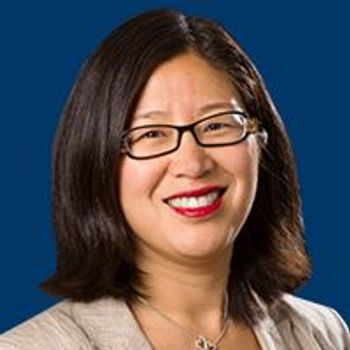
Anne Chiang, MD, PhD, has been named Deputy Chief Medical Officer and Chief Integration Officer at Smilow Cancer Hospital.

Constantine S. Tam, MD, discusses the key findings of the phase 3 SYMPATICO study and where this combination might fit best into a sequence of therapies.

February 23, 2021 - The FDA has approved the PD-L1 IHC 22C3 pharmDx assay, developed by Agilent Technologies Inc, for expanded use in patients with non–small cell lung cancer.
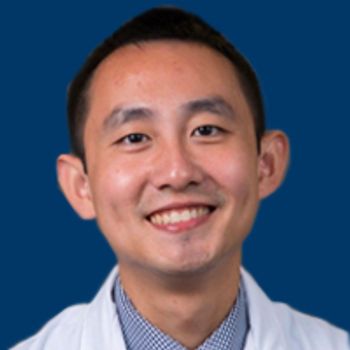
Jason Zhu, MD, discusses several approaches under exploration in the treatment of patients with previously treated, locally advanced, or metastatic urothelial carcinoma.