

November 20, 2020 - The FDA has granted a priority review designation to a biologics license application for loncastuximab tesirine for the treatment of patients with relapsed or refractory diffuse large B-cell lymphoma.

Your AI-Trained Oncology Knowledge Connection!
November 20, 2020 - The FDA has granted a priority review designation to a biologics license application for loncastuximab tesirine for the treatment of patients with relapsed or refractory diffuse large B-cell lymphoma.

The emergence of immunotherapy in the melanoma treatment landscape has shifted the management of the disease; however, no strategies are in place to appropriately stratify patients for these potentially life-saving agents.

November 19, 2020 - A computational method comprised of clinicodemographic variables with deep learning of pretreatment histology images may be able to effectively predict response to immunotherapy in patients with advanced melanoma.

Kristen A. Marrone, MD, discusses research efforts with osimertinib in EGFR-mutated lung cancer, overcoming resistance to the agent, and optimizing sequential molecular testing.

Saad Z. Usmani, MD, FACP, discusses the significance of the FDA approval of daratumumab, carfilzomib, and dexamethasone in patients with relapsed/refractory multiple myeloma who have received at least 1 previous line of therapy.

November 19, 2020 - Lorlatinib has been found to significantly prolong progression-free survival, elicit a higher overall and intracranial response, and improve quality of life compared with crizotinib in treatment-naïve patients with advanced ALK-positive non–small cell lung cancer.

Joshua Brody, MD, discusses advances made with CAR T-cell therapy in MCL, the promise of venetoclax in B-cell malignancies, and the potential for bispecific antibody combination regimens in this disease.

The first biomarker-drive intervention for patients with non–small cell lung cancer whose tumors harbor a MET exon 14 skipping mutation is now available in clinical practice.

In 5 years, it is estimated that approximately 20% of patients with stage II disease and 35% with stage III disease will experience disease recurrence. These estimates highlight the need to pursue progress in adjuvant systemic therapy in order to decrease recurrence rates and improve survival.

Alan P. Z. Skarbnik, MD, breaks down factors that should be kept in mind when navigating the complex chronic lymphocytic leukemia armamentarium as it relates to BTK inhibitors.

In this review, authors highlight multidisciplinary treatment for patients with advanced disease, and integrating systemic therapy options with surgery and radiation therapy.

November 18, 2020 - The FDA has granted a fast track designation to the BTK inhibitor rilzabrutinib for the treatment of patients with immune thrombocytopenia.

Although PARP inhibitors are generally reasonably well tolerated, certainly compared with platinum and other routinely employed cytotoxic antineoplastic drugs, the majority of patients receiving PARP inhibitors in multiple reported clinical trials reported low-grade nausea and fatigue.

November 18, 2020 - The FDA has decided to lift the clinical hold placed on the phase 1 MELANI-01 trial, which is examining the CAR T-cell therapy UCARTCS1 as a treatment for patients with relapsed/refractory multiple myeloma.
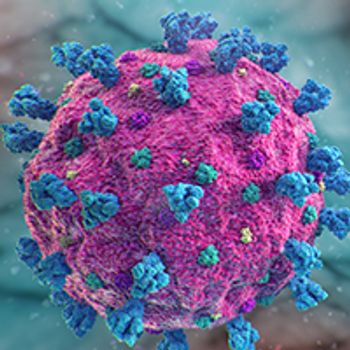
November 18, 2020 - The addition of the oral BTK inhibitor acalabrutinib to best supportive care in patients with respiratory symptoms from coronavirus disease 2019 infection failed to increase the proportion of patients who remained alive and free of respiratory failure, missing the primary efficacy end points of the 2 phase 2 CALAVI trials.

November 17, 2020 - AV-GBM-1, a personalized cancer vaccine, demonstrated an improvement in progression-free survival in patients with newly diagnosed glioblastoma.

November 17, 2020 - Primary chemoablation with UGN-102 was found to induce durable responses in patients with low-grade, intermediate-risk non-muscle invasive bladder cancer.

November 17, 2020 — The 11th Annual Ruesch Center Symposium, taking place virtually on November 20 to 21, 2020, will feature sessions that span innovations in gastrointestinal cancer, advances in nuclear imaging and therapy for neuroendocrine tumors, precision oncology web educational resource, and patient symposia, bringing participants together in a forum for discussion, networking, and debate on pressing issues in the field.

November 17, 2020 - The PD-1 inhibitor tislelizumab was found to improve overall survival versus docetaxel in the second- or third-line treatment in patients with locally advanced or metastatic non–small cell lung cancer who progressed on previous platinum-based chemotherapy.

Chung-Han Lee, MD, PhD, discusses the promise of telaglenastat in renal cell carcinoma and the research efforts examining the agent in different combinations.

November 17, 2020 - The review of the biologics license application for the CAR T-cell product lisocabtagene maraleucel for the treatment of adult patients with relapsed/refractory large B-cell lymphoma following at least 2 previous therapies has been delayed.

The identification of chromosomal rearrangements that result in oncogenic gene fusions ushered in the era of molecularly targeted therapies in oncology.

In light of the recent approvals of combination anti-myeloma regimens containing monoclonal antibodies, as well as the robust pipeline of novel targeted agents likely to be approved in the next year, there is much optimism in the field of multiple myeloma.

Matthew Lunning, DO, discussed other key considerations for choosing treatments, continuous vs fixed-duration therapies, and emerging agents for patients with relapsed/ refractory CLL and SLL.

Nilofer S. Azad, MD, highlights colorectal cancer treatment and how it has entered an era that is both exciting and challenging.

November 16, 2020 — The United Kingdom’s National Institute for Health and Care Excellence has recommended caplacizumab-yhdp with plasma exchange and immunosuppression for the treatment of an acute episode of acquired thrombotic thrombocytopenic purpura in adults and those aged 12 years and over who weigh at least 40 kg.

Weijing Sun, MD, FACP, discusses the great need for effective first-line treatment options in advanced/metastatic gastric and GEJ adenocarcinoma.

November 16, 2020 — The FDA has approved the PD-L1 IHC 22C3 pharmDx to aid in the identification of patients with triple-negative breast cancer who are eligible to receive the PD-1 inhibitor pembrolizumab.

November 16, 2020 - The combination of plinabulin and pegfilgrastim showed a statistically significant improvement in the rate of prevention of grade 4 neutropenia versus pegfilgrastim alone in patients with cancer undergoing chemotherapy.

Hundreds of trials are under way, 3 CAR T-cell therapies for hematologic malignancies are on the market, and 2 new products may receive FDA approval in the next several months, including a BCMA–directed therapy that is poised to help transform treatment of multiple myeloma.