
The phase 3 RELATIVITY-123 trial evaluating the fixed-dose combination of nivolumab and relatlimab in patients with microsatellite stable metastatic colorectal cancer will be discontinued due to futility.
The phase 3 RELATIVITY-123 trial evaluating the fixed-dose combination of nivolumab and relatlimab in patients with microsatellite stable metastatic colorectal cancer will be discontinued due to futility.
A fascination with laboratory research paired with hard work and dedication led to Nikhil C. Munshi, MD, becoming a pioneer in multiple myeloma treatment.
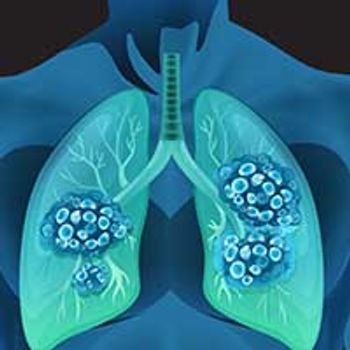
The European Medicines Agency has validated its marketing authorization application for repotrectinib in adult patients with ROS1 TKI-naive or -pretreated locally advanced or metastatic non–small cell lung cancer harboring ROS1 fusions, as well as adult and pediatric patients with TKI-naive and pretreated NTRK-positive locally advanced or metastatic solid tumors.
The goal in highlighting this development is to attempt to raise awareness of the critical issue of information overload and the need for multiple involved parties to actively and aggressively search for appropriate, effective, and fiscally rational solutions.
Fernando Cabanillas, MD, a mentor and leader in the lymphoma field, is being recognized for his contributions to the hematologic oncology space.
The FDA has issued a complete response letter to the supplemental new drug application seeking the full approval of sotorasib for patients with KRAS G12C–mutated non–small cell lung cancer.
Press Release
Padmaja Sai, MD, medical oncologist and hematologist with Florida Cancer Specialists & Research Institute, was presented last week with the AdventHealth Foundation 2023 Humanitarian of the Year Award.
The FDA has granted fast track designation to aglatimagene besadenovec plus valacyclovir for use as a potential therapeutic option in patients with pancreatic ductal adenocarcinoma.
The National Medical Products Administration of China has approved sugemalimab paired with fluorouracil and platinum-based chemotherapy for use in the frontline treatment of patients with unresectable locally advanced, recurrent, or metastatic esophageal squamous cell carcinoma.
Press Release
During the 2023 Florida Society of Clinical Oncology Fall Session, several Florida Cancer Specialists & Research Institute, LLC, physicians were elected to serve as executive committee officers and chairs for the nationally recognized advocacy group in the upcoming term.
David P. Carbone, MD, PhD, sought to transform lung cancer care and did it—but didn’t anticipate the personal journey it would put him on.
Press Release
Belzutifan, a HIF-2α inhibitor, has been approved by the FDA for the treatment of patients with advanced kidney cancer previously treated with immune checkpoint inhibitors and antiangiogenic therapies.

Dedication to his patients and the field of hematology spanning decades has led Stephen J. Forman, MD, to break down barriers for treating patients with leukemia and lymphoma.
Edna “Eti” Cukierman, PhD, has been appointed to the newly created Marvin & Concetta Greenberg Chair in Pancreatic Cancer Research.
In case you missed it, below are some of the drugs that were approved by the FDA in the month of December.
Howard I. Scher, MD, took a passion for improving cancer care and patient outcomes in prostate cancer and turned it into an extraordinary and explosive field of clinical research.
The American Society of Clinical Oncology has elected Eric J. Small, MD, FASCO, to serve as its president for the term beginning in June 2025.
Charles S. Kamen, PhD, MPH, discusses key developments and efforts that are planned and underway to further the progress that has been observed in terms of increasing cancer equity in sexual and gender minority individuals.
In case you missed it, here is a recap of the most popular episodes of OncLive On Air® from 2023.
Maurie Markman, MD, discusses current challenges faced with developing robust decision support tools for oncologists and projects additional research efforts dedicated to finding a way to leverage CAR T-cell therapies in solid tumors to improve patient outcomes.

Researchers at Dana-Farber Cancer Institute found that the diversity of T cells in peripheral blood declines with age in patients with breast cancer and, in younger patients, is lower in those diagnosed with metastatic disease than with ductal carcinoma in situ.
Tumor lysis syndrome is an oncologic emergency that every clinician will likely encounter at one time or another, and managing it requires careful consideration of a number of factors.
Eileen M. O’Reilly, MD, traveled a serendipitous journey from Ireland to the United States, where she has made her mark on transforming gastrointestinal cancer treatment.
Maurie Markman, MD, highlights inroads made with immunotherapy, antibody-dependent cytotoxic agents, and molecular testing across oncology.
Press Release
Researchers at Huntsman Cancer Institute at the University of Utah discovered that the level of blood and immune cells in mouse model offspring would fluctuate based on the amount of folic acid consumed by their mothers during pregnancy.
A breast surgical oncology fellow tells the story of how 3 women in his family helped shape his career and provide a purpose for his passion.
With perseverance, compassion, and energy, Ann H. Partridge, MD, MPH, has devoted her career to shrinking the gaps in research and care for young women with breast cancer and improving their outcomes and quality of life along the way.
The FDA has approved an on-body injector (OBI) presentation of the biosimilar pegfilgrastim-cbqv biosimilar (Udencya), known as Udencya Onbody, which is administered to patients with cancer the day after chemotherapy in order to decrease infection incidence from febrile neutropenia.
Florida Cancer Specialists & Research Institute, LLC is pleased to announce that hematologist and medical oncologist Andrea Katz, MD has joined the statewide practice.
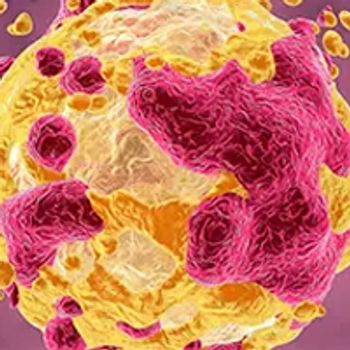
The 2023 ESMO Congress took place October 20 to 24 in Madrid, Spain, with global perspectives on groundbreaking data. We break down some of the key highlights from the annual meeting that oncology fellows should absorb, and apply to practice, as soon as possible.