

Favorable ECOG PS, lower LDH levels, and absence of BRAF and KRAS mutations at baseline were associated with long-term response to regorafenib in patients with mCRC in the real world.
Favorable ECOG PS, lower LDH levels, and absence of BRAF and KRAS mutations at baseline were associated with long-term response to regorafenib in patients with mCRC in the real world.
DKN-01/bevacizumab/chemotherapy had a tolerable safety profile and showcased clinical activity in patients with microsatellite stable colorectal cancer.
Neoadjuvant botensilimab/balstilimab led to robust responses in both patients with resectable mismatch repair–proficient and –deficient colorectal cancer.
An improvement in quality-adjusted survival benefit was observed with fruquintinib/BSC vs BSC alone in patients with mCRC enrolled in the FRESCO study.
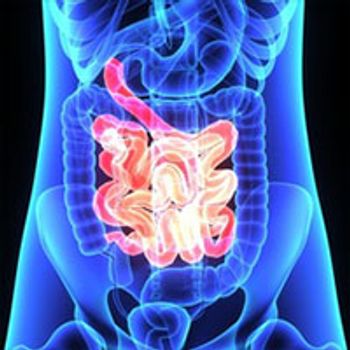
Larotrectinib led to long-lasting responses, encouraging survival, and a favorable safety profile in TRK fusion-positive gastrointestinal cancers.
Press Release
A national survey conducted by UCSF researchers reveals that many physicians are unfamiliar with how the FDA regulates new drugs and medical devices.

Lutetium Lu 177 dotatate plus octreotide significantly improved PFS vs high-dose octreotide in patients with gastroenteropancreatic neuroendocrine tumors.
PFS was significantly improved with durvalumab plus bevacizumab and TACE vs TACE alone in patients with unresectable HCC eligible for embolization.

The use of FOLFOXIRI plus bevacizumab increased in patients with metastatic colorectal cancer from 2013 to 2022, especially in patients 50 years of age or younger.
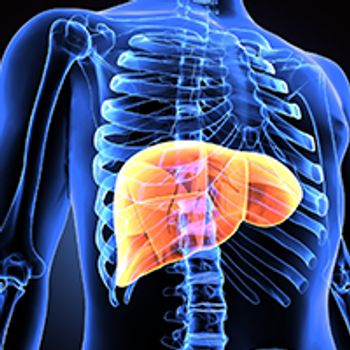
Patients with unresectable hepatocellular carcinoma treated with regorafenib experienced more frequent serious TEAEs if they had Child-Pugh B liver function.
Fostroxacitabine bralpamide plus lenvatinib displayed preliminary efficacy with a tolerable safety profile in patients with hepatocellular carcinoma.
Pembrolizumab plus lenvatinib produced survival outcomes that were consistent with previous findings from the phase 3 LEAP-002 trial along with an extended duration of response.
The FDA has approved erdafitinib (Balversa) for select adult patients with locally advanced or metastatic urothelial carcinoma harboring FGFR3 alterations.

Neoadjuvant camrelizumab plus nab-paclitaxel and cisplatin improved pCR vs chemotherapy alone in patients with esophageal squamous cell carcinoma.
Durvalumab plus neoadjuvant FLOT improved pCR vs chemotherapy alone in patients with resectable gastric and GEJ cancers, irrespective of region.

Tiragolumab plus atezolizumab and chemotherapy produced superior survival benefit vs chemotherapy for patients with esophageal squamous cell carcinoma.
The FDA has granted an orphan drug designation to PTX-252 for the treatment of patients with acute myeloid leukemia.
The Florida Cancer Specialists & Research Institute, LLC 2022 Annual Report has been recognized in the 4th Annual Healthcare Digital Marketing Awards.

Tampa General Hospital Cancer Institute has experienced much growth since its establishment, in terms of attracting talent and expanding their footprint.
ASKB589 demonstrated anti-tumor activity in combination with capecitabine and oxaliplatin plus sintilimab in gastric or gastroesophageal junction cancers.

Treatment with THIO followed by cemiplimab-rwlc led to a high DCR regardless of dose level in patients with pretreated non–small cell lung cancer.
Nivolumab plus chemotherapy improved PFS and OS vs chemotherapy alone in patients with advanced gastric, gastroesophageal junction, and esophageal cancers, according to 4-year data from the phase 3 CheckMate 649 study.
Real-world findings demonstrated a favorable survival benefit with nivolumab plus chemotherapy in advanced gastroesophageal adenocarcinoma.
A PMA application seeking approval of TTFields to standard therapies in patients with non–small cell lung cancer has been accepted for filing by the FDA.
Fox Chase Cancer Center was recognized by the ECOG-ACRIN Cancer Research Group for outstanding achievement in accrual, scientific contribution, and more.

Genetic screening and testing have only recently become an integral part of cancer care.
Jason Porter, MD, discusses the implications of adjuvant EGFR TKI use, the importance of the potential FDA approval of osimertinib in EGFR+ NSCLC, & more.
Amit Mahipal, MD, discusses data on camrelizumab plus rivoceranib in advanced HCC and the phase 3 CARES-310 trial, which is currently enrolling patients.
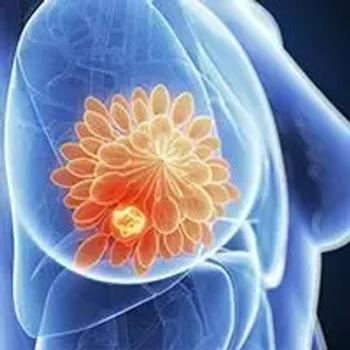
Disitamab vedotin alone and with ICIs, TKIs, or other antiangiogenic agents had consistent efficacy in patients with HER2-positive or -low breast cancers.

Treatment with TLD-1433 led to 6-, 12-, and 15-month CR rates of 54%, 38%, and 37%, respectively, in patients with non–muscle invasive bladder cancer.