

Up to 40% of patients with diffuse large B-cell lymphoma are refractory to or relapse after first-line treatment.
Up to 40% of patients with diffuse large B-cell lymphoma are refractory to or relapse after first-line treatment.

The treatment landscape continues to expand across non–small cell lung cancer, with the FDA approvals of multiple agents, including targeted therapies such as sotorasib and lorlatinib.
Two investigated doses of vibostolimab in combination with pembrolizumab resulted in comparable antitumor activity and safety in patients with locally advanced or metastatic cervical cancer who were naïve to PD-1/PD-L1 inhibitors, regardless of PD-L1 status.

The FDA has granted a breakthrough therapy designation to repotrectinib for the treatment of patients with ROS1-positive metastatic non–small cell lung cancer who have been previously treated with one ROS1 TKI and have not received prior platinum-based chemotherapy.

The combination of cabozantinib plus nivolumab demonstrated promising objective response rates in patients with non–clear cell renal cell carcinoma with prominent papillary features.

The anti-TIGIT immunotherapy tiragolumab in combination with atezolizumab did not improve progression-free survival over atezolizumab alone in the first-line treatment of patients with PD-L1–high locally advanced or metastatic non–small cell lung cancer.

Entrectinib produced deep and durable responses in patients with breast cancer harboring NTRK fusions.

Press Release
Following an analysis of over 12,000 human genes, research from Yale Cancer Center indicates there is cancer-relevant importance in a much larger proportion of human genes than current cancer research models suggest.
Following in the footsteps of the cytokine interleukin-2, IL-15 affords investigators similar qualities as a target without the associated toxicities of its immunotherapeutic predecessor.

The hallmarks of lung cancer diagnosis and treatment are evolving, evidenced by increases in minimally invasive surgery, and immunotherapy combinations, as well as targeted therapies for rare molecular subsets.

The first-in-class, off-the-shelf therapeutic cancer vaccine VB10.16 in combination with atezolizumab generated positive responses in heavily pretreated patients with HPV16-positive advanced cervical cancer.

Jonathan Mizrahi, MD, discusses updates from the meeting in pancreatic cancer and hepatocellular carcinoma, the growing role of immunotherapy in GI cancer, and the ‘watch and wait’ protocol seen in rectal cancer

Rates of negative surgical margins and adequate lymphadenectomies were lower in Black patients with gastrointestinal tract cancer compared with White patients, according to data from a retrospective cohort study published in JAMA Network Open.

Paula Rodriguez-Otero, MD, PhD, discusses the rationale, design, and findings of the phase 1b TRIMM-2 trial assessing subcutaneous teclistamab in combination with daratumumab for the treatment of patients with relapsed/refractory multiple myeloma.
The American Cancer Society reported earlier this year that the risk of dying from cancer in the United States has decreased by 32% over the past 28 years, which translates to almost 3.5 million fewer cancer deaths.
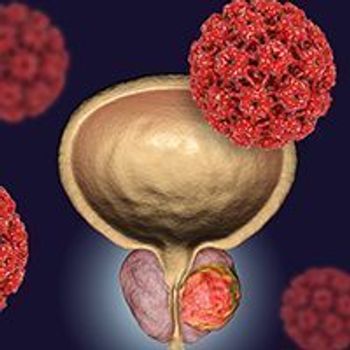
Pembrolizumab plus concurrent chemoradiotherapy is being investigated as a potential therapy in patients with muscle-invasive bladder cancer.
Eric Liu, MD, FACS, reviews treatment options, pitfalls of diagnoses, and the importance of involving specialists and advocates early in neuroendocrine tumors.

The addition of abemaciclib to endocrine therapy improved invasive disease-free survival and distant relapse-free survival vs endocrine therapy alone in patients with high-risk, hormone receptor–positive, HER2-negative, early-stage breast cancer, irrespective of menopausal status.

Sajid A. Khan MD, FACS, FSSO, discusses findings from the study on racial disparities in surgical outcomes and quality of care for GI tract cancer, plus what issues need to be addressed to close the gap in care.

The addition of nivolumab to trastuzumab deruxtecan did not result in a marked clinical benefit in patients with locally advanced unresectable or metastatic HER2-positive breast cancer.
Pharmaceutical giant Novartis has temporarily halted radioligand therapy production at sites in Millburn, New Jersey, and Ivrea, Italy, citing potential quality issues in its manufacturing processes.

Virginia G. Kaklamani, MD, discussed the emerging role of PARP inhibitors, practice-changing updates in HER2-positive breast cancer, the utilization of CDK4/6 inhibitors in hormone receptor–positive, HER2-negative breast cancer, and the various therapeutic classes and their effects on care in triple-negative breast cancer.
Press Release
Mount Sinai researchers have developed a novel method to identify aggressive early-stage lung cancers and target drugs known as aurora kinase inhibitors to tumors that are especially likely to respond to them.
Ibrutinib-based combination therapy demonstrated a higher overall response rate and longer progression-free survival compared with ibrutinib alone in patients with relapsed/refractory mantle cell lymphoma.

Igor Puzanov, MD, MSCI, FACP, discusses the adverse effects associated with immunotherapy and how to manage them.

Noopur S. Raje, MD, discussed the presentation she gave at the 26th Annual International Congress on Hematologic Malignancies® on the CAR T-cell therapy product bb21217, other exciting myeloma treatments that were presented at ASH, and the need for increased treatment accessibility.

HER2 expression appeared to be a significant predictor for response to fam-trastuzumab deruxtecan-nxki, according to findings from a biomarker analysis of patients with metastatic breast cancer in the phase 2 DAISY trial.
Niraparib was found to maintain or improve health-related quality of life in patients with advanced or metastatic castration-resistant prostate cancer, according to data from the final analysis of the phase 2 GALAHAD trial.

The addition of adjuvant abemaciclib to endocrine therapy resulted in a clinically meaningful reduction in the risk of developing invasive disease, particularly incurable distant metastatic disease, in patients with high-risk, hormone receptor–positive, HER2-negative, early breast cancer who comprised cohort 1 of the phase 3 monarchE trial.

The addition of pembrolizumab to chemotherapy led to significant survival benefits without substantial deterioration in health-related quality of life among patients with treatment-naïve, PD-L1–positive advanced triple-negative breast cancer according to results from the phase 3 KEYNOTE-355 trial.