

The rolling submission of a new drug application to the FDA for surufatinib for the treatment of patients with pancreatic and non-pancreatic neuroendocrine tumors has been completed.
The rolling submission of a new drug application to the FDA for surufatinib for the treatment of patients with pancreatic and non-pancreatic neuroendocrine tumors has been completed.

Whole-genome sequencing has the potential to accurately differentiate between stable and progressive precursor conditions to multiple myeloma in low disease burden clinical states and the use of this technology in the clinic may result in a significant shift in the management of these patients.

The first patient has received treatment with fam-trastuzumab deruxtecan-nxki in the phase 2 DESTINY-CRC02 trial, which is exploring the safety and efficacy of the antibody-drug conjugate in patients with HER2-overexpressing, BRAF wild-type, RAS-mutant or wild-type or mutant locally advanced, unresectable or metastatic colorectal cancer who have progressed following treatment with standard chemotherapy.

Following feedback from the FDA, IMV Inc. and Merck have entered into an agreement to open a phase 2b clinical trial examining the combination of maveropepimut-S and pembrolizumab plus low-dose cyclophosphamide in patients with recurrent/refractory diffuse large B-cell lymphoma.
Christopher G. Azzoli, MD, discusses the importance of identifying molecular aberrations prior to starting a patient with advanced non–small cell lung cancer on immunotherapy, ongoing research aimed at furthering the immunotherapy paradigm, and explained why novel biomarkers of response to immunotherapy are needed.

OncologyLive® Advisory Board members speak about how COVID-19 has touched all aspects of oncology practice, research, and treatment.
The selective estrogen receptor degrader amcenestrant has demonstrated antitumor activity with acceptable safety in patients with estrogen receptor–positive breast cancer.
Brian I. Rini, MD, discusses the unique characteristics of tivozanib, how the FDA approval of the VEGF inhibitor is poised to further the advanced RCC paradigm, and the potential future utility of the agent.

Lowell L. Hart, MD, discusses trilaciclib’s unique role in patients with ES-SCLC who experience myelosuppression, as well as the future role of the agent.

A marketing authorization application has been submitted to the European Medicines Agency for the approval of the CAR T-cell therapy ciltacabtagene autoleucel in the treatment of patients with relapsed and/or refractory multiple myeloma.

Sequential therapy with CD19.28ζ-directed CAR T cells followed by allogeneic hematopoietic stem cell transplant induced durable disease control in a significant population of children and young adult patients with relapsed/refractory B-cell acute lymphoblastic leukemia.
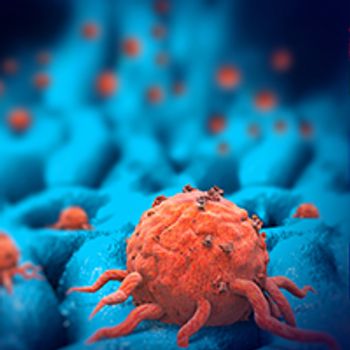
The novel oral TKI masitinib in combination with docetaxel and prednisone resulted in improved progression-free survival compared with docetaxel plus prednisone in patients with metastatic castration-resistant prostate cancer, meeting the predefined primary end point of the phase 2b/3 AB12003 trial.

No statistically significant difference in Global Health Status or quality of life was observed with alpelisib vs placebo plus fulvestrant in patients with hormone receptor–positive, HER2-negative advanced breast cancer; however, symptom subscales for known adverse effects associated with PI3K inhibitors favored placebo vs alpelisib.
Earle F. Burgess, MD, discusses optimizing the use of PARP inhibitors in the treatment of patients with advanced prostate cancer.

The FDA has granted a priority review designation to a supplemental biologics license application for nivolumab for use as an adjuvant treatment in patients with surgically resected, high-risk, muscle-invasive urothelial carcinoma.

Although the spectacular success associated with the development of several safe and highly efficacious vaccines and therapies for COVID-19 has once again confirmed the remarkable impact of advancements on public and individual health, we must also acknowledge recent stunning examples of the failure of scientifically oriented government agencies to provide objectively valid nonpolitical recommendations, policies, and conclusions.
Thermal ablation was shown to be a safe and effective treatment for patients with localized gynecologic tumors in the lungs, abdomen, and pelvis, according to findings from a retrospective analysis published in the Journal of Vascular and Interventional Radiology.

In a 5 to 4 vote, the FDA’s Oncologic Drugs Advisory Committee voted to oppose maintaining the accelerated approval of nivolumab monotherapy for patients with advanced hepatocellular carcinoma who received prior treatment with sorafenib.
In an 8 to 0 vote, the FDA’s Oncologic Drugs Advisory Committee voted to support the accelerated approval of pembrolizumab monotherapy for patients with advanced hepatocellular carcinoma who received prior treatment with sorafenib.
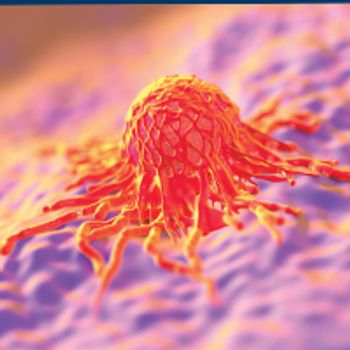
Intraperitoneal radioimmunotherapy with the anti-B7H3 murine monoclonal antibody 131I-omburtamab was well tolerated with low radiation exposure to normal organs, making it a feasible option to combine with other therapies in patients with desmoplastic small round cell tumor.
In a 6 to 2 vote, the FDA’s Oncologic Drugs Advisory Committee voted against maintaining the accelerated approval of pembrolizumab for the treatment of patients with PD-L1–positive recurrent or advanced gastric or gastroesophageal junction adenocarcinoma who have received 2 or more lines of therapy.

The local recurrence rate after surgical excision was similar to the rate of progression with active surveillance in patients with extra-abdominal desmoid tumor fibromatosis, suggesting that observation may be sufficient in some cases.

Michael E. Devitt, MD, further underscored the importance of early genomic testing in patients with urothelial carcinoma, shared advice on factors to consider when choosing among second-line and later options, and highlighted enfortumab vedotin combination regimens that are under exploration.

A higher incidence of somatically acquired genetic alterations, including damaging mutations in ZMYM3 leading to genomic instability, as well as deletions in MAP3K7, BNIP3L, RB1, and NEIL3, and gain of MYC, may lead to more aggressive prostate cancer in Black/African American men.

The combination of atezolizumab and bevacizumab has become the frontline standard of care for most patients with unresectable or metastatic hepatocellular carcinoma who have not received prior systemic therapy.
In patients with renal cell carcinoma, factors that determine whether a partial or full nephrectomy should be performed include tumor location and size, but efforts should be made to perform partial nephrectomies whenever possible to preserve kidney function.

Centrally stratified risk-adapted clinical trials in patients with newly diagnosed multiple myeloma were shown to be feasible, addressing an unmet need and providing the opportunity for rapid clinical development of novel therapies.
In a 10 to 1 vote, the FDA’s Oncologic Drugs Advisory Committee voted to support the accelerated approval of atezolizumab for the frontline treatment of patients with cisplatin-ineligible locally advanced or metastatic urothelial carcinoma.
Amgen has completed its planned acquisition of Five Prime Therapeutics for $38.00 per share in cash, or approximately $1.9 billion.
In a 5 to 3 vote, the FDA’s Oncologic Drugs Advisory Committee voted to uphold the accelerated approval of pembrolizumab for the frontline treatment of patients with cisplatin-ineligible and carboplatin-ineligible locally advanced or metastatic urothelial carcinoma.