
The FDA has approved nivolumab for the adjuvant treatment of completely resected esophageal or gastroesophageal junction cancer with residual pathologic disease, in patients have received neoadjuvant chemoradiotherapy.
The FDA has approved nivolumab for the adjuvant treatment of completely resected esophageal or gastroesophageal junction cancer with residual pathologic disease, in patients have received neoadjuvant chemoradiotherapy.

Ullas Batra, MBBS, MD, DM, discusses the durability of targeted therapy in advanced NSCLC and the movement of targeted therapy and immunotherapy into earlier stages of disease.
Stereotactic body radiotherapy can safely be used to treat patients with oligometastatic disease with 3 to 4 metastases or 2 metastases in close proximity to each other, according to results from the phase 1 NRG-BR001 trial.
Early detection and quick intervention of abdominal metastases in patients with osteosarcoma could be a tactic to improve patient outcomes as well as palliative care.
Although the United States is behind Europe in terms of biosimilars approved and launched, the FDA is adding more approvals each year—29 since 2014—and 73 additional biosimilar candidates are in clinical trials and/or under FDA review.
Prophylactic whole-pelvic radiotherapy improved biochemical failure-free survival and disease-free survival vs prostate-only radiotherapy in patients with high-risk, locally advanced prostate cancer.

Patients with cancer who live in states with lower Medicaid income eligibility limits had worse long-term survival outcomes compared with those with higher eligibility limits.
The addition of relatlimab to nivolumab more than doubled the median progression-free survival compared with nivolumab alone in patients with previously untreated, unresectable or metastatic melanoma.
Evidence from a population-based study on the incidence of human papillomavirus–related cancers indicate a marked decline in cervical carcinoma, potentially due to clear guidance regarding screening measures and HPV vaccination for vulnerable patient groups.
Adjuvant treatment with atezolizumab led to a significant improvement in disease-free survival vs best supportive care in patients with stage II to IIIA non–small cell lung cancer, particularly those with PD-L1–positive tumors, according to findings from the phase 3 IMpower010 trial.
An increase in the frequency of prostate-specific antigen (PSA) screening was associated with a nearly 25% reduction in prostate cancer–specific mortality in younger African Americans, according to data from a study presented in a presscast held ahead of the 2021 ASCO Annual Meeting.
The biologics license application seeking the approval of ropeginterferon alfa-2b-njft for use in the treatment of patients with polycythemia vera has been resubmitted to the FDA.
The FDA has granted a fast track designation to the CAR T-cell product AIC100 for the treatment of patients with anaplastic thyroid cancer and refractory poorly differentiated thyroid cancer.
The FDA has granted priority review to a supplemental new drug application for zanubrutinib as a treatment option for adult patients with marginal zone lymphoma who have previously received at least 1 anti-CD20–based therapy.

Providers and health care institutions want more real-world data on how patients respond to various biosimilar products, according to a varied panel of private practice, academic hospital, and group purchasing organization experts in a discussion at the Community Oncology Alliance virtual 2021 Community Oncology Conference in April.

Cell-free methylated DNA immunoprecipitation-sequencing uses plasma cell-free methylomes to detect and classify several types of cancer early on, and provides the opportunity to monitor tumors for response to treatment in noninvasive way.
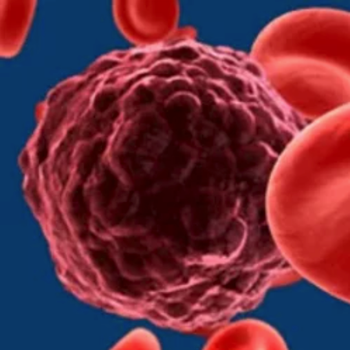
Loncastuximab tesirine-lypl has demonstrated significant antitumor activity with durable responses and an acceptable toxicity profile, when used as a monotherapy in heavily pretreated patients with relapsed or refractory diffuse large B-cell lymphoma.

Silver linings of the COVID-19 pandemic have opened the door for new opportunities for decentralized clinical trials and real-world data in a post–COVID-19 world.
The use of universal tumor screening in conjunction with multigene panel testing led to an improvement in the identification of hereditary cancer syndromes in patients with colorectal cancer.
Roy S. Herbst, MD, PhD, was inspired to become an oncologist during his first week as an MD/PhD candidate at Cornell University and The Rockefeller University, thanks in part to Ralph L. Nachman, MD, longtime chair of Weill Department of Medicine at Weill Cornell Medical College.
A biologics license application for sintilimab injection plus pemetrexed and platinum-based chemotherapy for the frontline treatment of patients with nonsquamous non–small cell lung cancer has been accepted for FDA review.

Tumor-infiltrating lymphocytes, a neoantigen-targeting therapy, has been shown to be a potentially curative treatment for patients with metastatic melanoma, and has led to clinical responses in this population even after failure with checkpoint inhibitors

The FDA has lifted a partial clinical hold that had been placed on the enrollment of patients with follicular lymphoma and diffuse large B-cell lymphoma to monotherapy trials examining the bispecific antibody odronextamab.
The combination of ibrutinib and venetoclax were found to act on distinct subpopulations of chronic lymphocytic leukemia that have different proliferative capacities in an ex vivo model of the disease, suggesting that the dual-targeted approach has the potential to eradicate residual disease in patients with CLL.

Despite a modest central nervous system overall response rate, the combination of pertuzumab and high-dose trastuzumab was found to induce clinical benefit in 68% of patients with HER2-positive metastatic breast cancer enrolled to the phase 2 PATRICIA trial.
Enobosarm has been shown to induce a clinical benefit rate of 50% at 24 weeks in evaluable patients with measurable metastatic androgren receptor–positive, estrogen receptor–positive, metastatic breast cancer that has progressed on treatment with palbociclib.

Jose Pacheco, MD, discusses key agents that have significantly improved the care of patients with NSCLC harboring RET or NTRK fusions and efforts being made to address resistance challenges.
The coronavirus disease 2019 pandemic has forever changed our world. We must remember the heavy societal burden this virus has wrought, including lives lost, the significant and debilitating late effects for survivors, and the mental health crisis for survivors, caregivers, and the general population.

The addition of the first-in-class chimeric monoclonal antibody zolbetuximab to frontline epirubicin, oxaliplatin, and capecitabine chemotherapy resulted in prolonged progression-free survival and overall survival compared with EOX alone in patients with advanced Claudin 18.2-positive gastric and gastroesophageal junction adenocarcinoma, according to the primary results of the phase 2 FAST trial.

As one of the highest honors in the scientific field, Lieping Chen, MD, PhD, was elected to the National Academy of Sciences