

Genetic assays such as those utilized in the phase 3 TAILORx, MINDACT, and RxPONDER trials are helping to provide valuable insight to inform treatment decisions in patients with breast cancer.
Genetic assays such as those utilized in the phase 3 TAILORx, MINDACT, and RxPONDER trials are helping to provide valuable insight to inform treatment decisions in patients with breast cancer.

The FDA has granted a rare pediatric disease designation to the p-STAT3 inhibitor WP1066 for the treatment of patients with ependymoma, a rare type of tumor that can develop in the brain or the spinal cord.

The China National Medical Products Administration has approved osimertinib for use as an adjuvant treatment in patients with early-stage non–small cell lung cancer with EGFR exon 19 deletions or exon 21 mutations, following tumor resection with curative intent, with or without adjuvant chemotherapy as recommended by the patient’s physician.

During the COVD-19 pandemic, the expansion of covered services for telehealth by the Centers for Medicare & Medicaid Services and private insurers has provided a safer alternative for patients and physicians.

Plasma-based cell-free DNA appears to be a viable strategy comparable with tissue-based testing for selecting patients with KRAS G12C–mutant non–small cell lung cancer for treatment with sotorasib.

Brian Till, MD, discusses the safety and efficacy of lisocabtagene maraleucel compared with other products under exploration in patients with mantle cell lymphoma.

Significant tumor necrosis was observed in 20% of patients with resectable hepatocellular carcinoma who received neoadjuvant treatment with cemiplimab-rwlc.

The FDA has granted an accelerated approval to sacituzumab govitecan for the treatment of patients with locally advanced or metastatic urothelial cancer who previously received a platinum-containing chemotherapy and either a PD-1 or PD-L1 inhibitor.

Atezolizumab elicited durable clinical activity irrespective of microsatellite instability status in patients with advanced solid tumors with a tumor mutational burden of more than 16 mutations per megabase.

Syed Kazmi, MD, highlights the go-to regimens for patients with mCRC.

AFM13, an innate cell engager, demonstrated an objective response rate of 100% in adult patients with CD30-positive, relapsed/refractory Hodgkin lymphoma.

A multi-omics approach to personalized therapy that incorporates information about actionable oncogenic drivers with critical biological data has demonstrated feasibility in patients metastatic breast cancer vs DNA sequencing alone.

Patients with heavily pretreated metastatic castration-resistant prostate cancer who have germline and/or homozygous tumor DNA damage response alterations have been shown to have a higher likelihood of responding to treatment with talazoparib.

Treatment with D-0316 demonstrated encouraging clinical activity in select patients with EGFR T790M-positive non–small cell lung cancer who progressed on prior therapy.

Administering the investigational TKI poziotinib at a twice-daily dose compared with once-daily dosing showed a reduction in both grade 3 or higher treatment emergent adverse effects and dose interruptions, as well as improved efficacy in patients with EGFR- or HER2 exon 20–positive non–small cell lung cancer.

The combination of the PARP inhibitor talazoparib and carboplatin demonstrated synergistic activity in 7 cell lines of triple-negative breast cancer, with greater DNA damage and cell death observed in PARP inhibitor–resistant cell lines and at lower concentrations of talazoparib when combined with carboplatin.

Dual inhibition of the MAPK pathway using the BRAF and MEK inhibitors dabrafenib and trametinib, respectively, resulted in durable clinical benefit for patients with BRAF V600E mutant low- and high-grade glioma.

Adavosertib plus irinotecan showed early activity in a cohort of pediatric patients with neuroblastoma, thus meeting the protocol-defined efficacy end point of the 1/2 ADVL1312 trial.

The FDA has authorized the marketing of the first device that utilizes artificial intelligence based on machine learning to help clinicians detect lesions like polyps or suspected tumors in the colon in real time during a colonoscopy.

The activity and safety of investigational combinations will be subject to study in patients with advanced clear cell renal cell carcinoma (ccRCC) as part of a phase 1b/2 umbrella platform trial.

As longer-term follow-up data become available for several agents approved for HER2-positive metastatic breast cancer, investigators are looking closely at the characteristics of patients enrolled in those clinical trials to determine appropriate treatment strategies in the third-line setting and beyond.
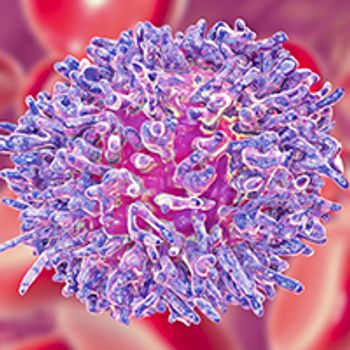
The combination of the selective MCL-1 inhibitor AMG 176 plus gilteritinib was found to synergistically target preclinical models of FLT3 internal tandem duplication–mutated acute myeloid leukemia.

Neratinib in combination with fulvestrant was active in heavily pretreated patients with estrogen receptor-positive, metastatic breast cancer, although the clinical benefit rate did not meet the predefined efficacy criteria.

The combination of tislelizumab and sitravatinib demonstrated early antitumor activity and a manageable safety profile in patients with recurrent platinum-resistant epithelial ovarian cancer and were naïve to PD-1/PD-L1 inhibition.
The combination of parsaclisib and ruxolitinib has resulted in the improvement of spleen volume reduction and symptom burden in patients with myelofibrosis who have previously experienced a suboptimal response to a standard dose of single-agent ruxolitinib.

Patients with non‒small cell lung cancer whose circulating tumor MET Exon 14 is undetectable following treatment with savolitinb are more likely to have positive outcomes.

Seribantumab demonstrated efficacy in reducing tumor growth in preclinical models of NRG1 fusion–positive gastrointestinal cancers, suggesting that the use of seribantumab as monotherapy could have clinical utility in treating patients with GI and other NRG1 fusion–driven cancers.

Single-agent pembrolizumab yielded robust antitumor activity in patients with locally advanced or recurrent/metastatic cutaneous squamous cell carcinoma.

Treatment with TAS-117, a highly potent and selective oral allosteric pan-v-akt murine thymoma viral oncogene homolog inhibitor, demonstrated some clinical efficacy in patients with ovarian cancer harboring PIK3CA E545K mutations and in those with breast cancer harboring PIK3CA H1047R and Akt1E17K mutations.

The tumor-infiltrating lymphocyte therapy lifileucel was found to elicit durable responses in patients with advanced melanoma who were previously treated with an immune checkpoint inhibitor.