

A study found ChatGPT 3.5 was more likely to give incomplete or inaccurate answers to specific hematologic malignancy queries vs general questions.
A study found ChatGPT 3.5 was more likely to give incomplete or inaccurate answers to specific hematologic malignancy queries vs general questions.

MNV-201 has received orphan drug designation from the FDA for use in myelodysplastic syndrome.

Toripalimab plus CCRT produced a 100% ORR in locally advanced cervical cancer, although the regimen was associated with radiation-related AEs and irAEs.

Acalabrutinib plus lenalidomide and rituximab displayed activity and had a tolerable safety profile in first-line follicular lymphoma.

Izalontamab brengitecan showed signals of activity in patients with pretreated locally advanced or metastatic urothelial carcinoma.
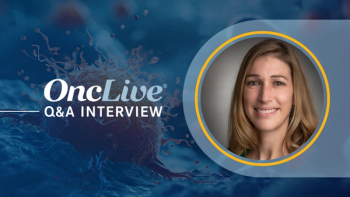
Alicia Morgans, MD, MPH, discusses the role of radioligand therapies for mCRPC and the importance of shared decision-making in prostate cancer management.

Chemoradiotherapy improved survival vs radiotherapy alone in the adjuvant setting in high-risk endometrial cancer, particularly in p53-abnormal disease.

Targeted gene therapy kills herpesvirus-linked cancer cells, sparing healthy tissue

Joseph Jacob, MD, MCR, discusses the significance of the FDA approval of TAR-200 for BCG-unresponsive non–muscle-invasive bladder cancer.

NG-350A has been awarded fast track designation from the FDA for rectal cancer and is under further evaluation in the FORTRESS trial.
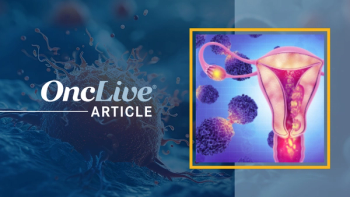
Maintenance rucaparib showed efficacy in recurrent/metastatic endometrial cancer after the completion of first- or second-line chemotherapy.

The approval of relacorilant for use in patients with platinum-resistant ovarian cancer is sought from the European Medicines Agency.

Alicia Morgans, MD, MPH, discusses data from the PEACE-3 trial that support the use of radium-223 plus enzalutamide in patients with mCRPC.

Researchers developed a way to predict how lung cancer cells will respond to different therapies, allowing for more effective individualized treatment.

64Cu-SAR-bisPSMA displayed a higher detection rate of PSMA-positive prostate cancer lesions vs 68Ga-PSMA-11 PET/CT in patients with low PSA levels.

Combining tucatinib with trastuzumab and pertuzumab improved PFS as first-line maintenance in patients with HER2-positive metastatic breast cancer.

The AMPLITUDE trial met its primary end point of rPFS with niraparib regimen vs placebo in metastatic castration-sensitive prostate cancer.

Marc S. Raab, MD, discusses updated MRD negativity and safety data with teclistamab plus SOC induction regimens in newly diagnosed multiple myeloma.

A meta analysis found BTK inhibitors carry risks of hypertension, atrial fibrillation, and hemorrhage, underscoring the need for cardiovascular monitoring.

DeLLpro-300 data provide preliminary evidence for the safety and activity of tarlatamab in DLL3-positive neuroendocrine prostate cancer.

Kevin Elias, MD, discusses the role of olaparib in the management of ovarian cancer.

Preview the top lung, breast, GI, GU, gynecologic, and hematologic oncology abstracts and topics ahead of the 2025 ESMO Congress.

Joshua Richter, MD, discusses the use of next-generation CELMoDs to boost T-cell responses with bispecific antibodies or CAR T-cell therapy in myeloma.

Roswell Park Comprehensive Cancer Center endorsed a statement urging health care systems and professionals to choose HPV vaccination for cancer prevention.

The FDA granted breakthrough therapy designation to ficerafusp alfa plus pembrolizumab for metastatic/recurrent head and neck squamous cell carcinoma.
The FDA granted breakthrough therapy designation to sonrotoclax for relapsed/refractory mantle cell lymphoma.
Real-world MCL treatment with zanubrutinib generated longer treatment durations and higher treatment adherence rates vs acalabrutinib and ibrutinib.

Abemaciclib was safe and active for the treatment of patients with HIV-associated and -negative Kaposi sarcoma.

The top 5 OncLive TV videos of the week cover insights in uterine leiomyosarcoma, myelofibrosis, polycythemia vera, breast cancer, and multiple myeloma.

J. Thaddeus Beck, MD, FACP, discusses the FDA approval of subcutaneous pembrolizumab in solid tumors.