
212Pb-DOTAMTATE produced responses with a manageable safety profile in patients with SSTR-positive, PRRT-exposed, unresectable or metastatic GEP-NETs.
212Pb-DOTAMTATE produced responses with a manageable safety profile in patients with SSTR-positive, PRRT-exposed, unresectable or metastatic GEP-NETs.
Lutetium Lu 177 vipivotide tetraxetan plus an ARPI and ADT improved rPFS in metastatic hormone-sensitive prostate cancer.
Sirexatamab plus bevacizumab shows promise in improving survival for patients with DKK1-high metastatic colorectal cancer.
Frontline disitamab vedotin plus toripalimab significantly improved PFS and OS in HER2-expressing locally advanced or metastatic urothelial carcinoma.
Sacituzumab tirumotecan reduced the risk of progression or death by 51% in nonsquamous EGFR-mutated NSCLC resistant to EGFR TKIs.
Tislelizumab plus induction chemotherapy and concurrent chemoradiation demonstrated efficacy worthy of further study in locally advanced ESCC.

Zipalertinib demonstrated preliminary efficacy and low rates of treatment-related dose reductions and discontinuations in NSCLC harboring EGFR mutations and CNS metastases and/or leptomeningeal disease.

Enfortumab vedotin plus pembrolizumab demonstrated meaningful first-line clinical activity in PD-L1–positive recurrent or metastatic HNSCC.
Durvalumab in combination with chemotherapy produced outcomes consistent with prior studies in patients with advanced pleural mesothelioma.

Chemotherapy plus durvalumab, bevacizumab, and olaparib did not significantly prolong OS in non-tBRCA-mutated ovarian cancer.

The addition of atezolizumab to chemotherapy demonstrated noninferior survival vs chemotherapy alone in advanced or recurrent endometrial cancer.
Enzalutamide plus leuprolide acetate led to a 40.3% lower risk of death vs leuprolide acetate alone in high-risk, biochemically recurrent prostate cancer.
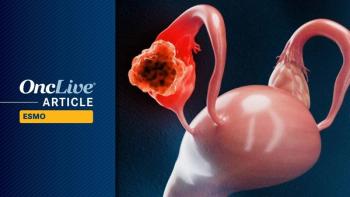
The addition of relacorilant to nab-paclitaxel produced a PFS benefit vs nab-paclitaxel alone in PROC with a history of PARP inhibitor exposure.

Sacituzumab govitecan reduced the risk for disease progression or death by 38% vs chemotherapy in previously untreated, locally advanced, unresectable or metastatic triple-negative breast cancer.
Capivasertib plus abiraterone acetate, prednisone, and androgen deprivation therapy was active in PTEN-deficient de novo metastatic HSPC.

NAPISTAR1-01 showed enduring benefit with TUB-040 in patients with platinum-resistant high-grade serous ovarian cancer.

I-DXd showed intracranial efficacy and manageable safety in ES-SCLC with brain metastases, per data from the IDeate-Lung01 study.
Pembrolizumab plus lenvatinib was safe and active in HLA-A*02:01–negative and –positive uveal melanoma.

Gedatolisib plus fulvestrant, with or without palbociclib, improved PFS in pretreated, HR-positive, HER2-negative, PIK3CA wild-type advanced breast cancer.
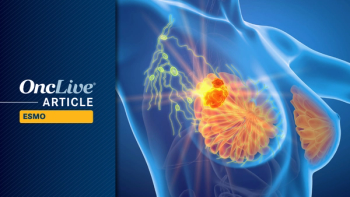
Sac-TMT bested chemotherapy in terms of PFS in previously treated HR+, HER2– metastatic breast cancer.
Enfortumab vedotin plus pembrolizumab significantly improved survival and pCR vs surgery alone in cisplatin-ineligible MIBC per KEYNOTE-905 data.
Neoadjuvant T-DXd followed by THP improved pathological complete response rate in high-risk, HER2-positive early-stage breast cancer.

The SKYSCRAPER-03 trial missed the end point of a PFS benefit with tiragolumab plus atezolizumab vs durvalumab consolidation in advanced NSCLC.
Pembrolizumab and paclitaxel with or without bevacizumab led to PFS and OS benefits vs placebo in place of pembrolizumab in recurrent, PD-L1–positive PROC.
Findigs from DeLLphi-304 support the use of tarlatamab as a standard of care for all patients with second-line small cell lung cancer.
Invikafusp alfa demonstrated early signals of antitumor activity across a range of biomarker-enriched patients with solid tumors.
Adjuvant nivolumab significantly extended RFS vs ipilimumab in patients with resected stage IIIB to IIIC or IV melanoma.
T-DXd significantly improved IDFS vs T-DM1 in high-risk, HER2-positive primary breast cancer with residual invasive disease after neoadjuvant therapy.
Adjuvant cemiplimab and placebo were associated with similar rates of second primary tumors in high-risk CSCC.
177-Lu-edotretide significantly improved survival outcomes vs everolimus for the treatment of patients with grade 1/2 GEP-NETs.