Back

Radioligand Equivalents: Advancing Nomenclature and Understanding the 505(b)(2) Pathway in Neuroendocrine Tumor Treatment

Radioligand Equivalents: Advancing Nomenclature and Understanding the 505(b)(2) Pathway in Neuroendocrine Tumor Treatment

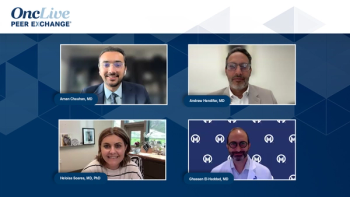
Dr. Aman Chauhan from UCSF moderated a discussion with Dr. Andrew Hendifar from Cedars-Sinai Medical Center, Dr. Heloisa Soares from University of Utah Health, and Dr. Ghassan El-Haddad from Moffitt Cancer Center on the emerging regulatory and nomenclature landscape for radioligand therapy in neuroendocrine tumors (NETs). The program introduced the term radioligand equivalent (RLE) to describe products approved through the FDA's 505(b)(2) pathway, a mechanism accounting for 55% of new drug applications approved between 2020 and 2024, yet unfamiliar to many clinicians. The discussion distinguished RLEs from both novel reference-listed drugs (approved via 505(b)(1)) and generics (approved via abbreviated new drug application), explained the scientific bridging requirements, and explored practical implications for formulary decisions, multidisciplinary communication, staff education, and patient counseling. Key themes included supply chain resilience, institutional infrastructure preparation for different waste-handling requirements between carrier-added and non-carrier-added products, barriers to RLE adoption, and the potential for RLE terminology and the 505(b)(2) pathway to accelerate innovation across an expanding radioligand therapy landscape.

Radioligand Equivalents: Advancing Nomenclature and Understanding the 505(b)(2) Pathway in Neuroendocrine Tumor Treatment

Episodes

All
All
Experts featured in this series.

Dr. Aman Chauhan introduces the program on radioligand equivalents and the 505(b)(2) pathway in neuroendocrine tumor (NET) treatment, joined by Dr. Andrew Hendifar, Dr. Heloisa Soares (medical director of the theranostics program at University of Utah), and Dr. Ghassan El-Haddad (vice chair for radiopharmaceutical and nuclear oncology at Moffitt Cancer Center, nuclear medicine physician and interventional radiologist).

Experts featured in this series.

Dr. Soares addresses how understanding regulatory pathways benefits the multidisciplinary teams managing patients with NETs. A shared understanding of pathway terminology, particularly what a 505(b)(2) product represents, creates a common language among nuclear medicine physicians, medical oncologists, pharmacists, and radiation oncologists. This clarity reduces confusion about whether a therapy is truly novel, generic, or something in between, and directly improves the efficiency of tumor board discussions, formulary committee reviews, and patient counseling. Without this shared vocabulary, discussions stall on terminology rather than advancing to the clinically important questions of patient selection, access, and operational implementation.