
Opinion|Videos|July 6, 2026
Advantages of the 505(b)(2) Pathway and Bridging Evidence Requirements
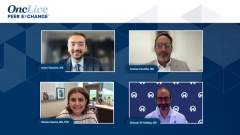
Dr. Hendifar explains the specific advantages the 505(b)(2) pathway offers for radiopharmaceutical development.
Advertisement
Episodes in this series
Dr. Hendifar explains the specific advantages the 505(b)(2) pathway offers for radiopharmaceutical development. Because it builds on existing safety data rather than requiring a complete restart with phase 1 studies, it reduces clinical trial burden and enables more rapid expansion of indications. It also facilitates exploration of different carrier molecules, radionuclide production methods, and chelating agents, modifications that would otherwise require full de novo clinical programs. This efficiency is particularly valuable for rare diseases like NETs, where generating entirely new clinical packages is both costly and time-consuming.
Supply chain resilience is a particularly important benefit in nuclear medicine, where radioisotope production and delivery are vulnerable to disruption. Dr. El-Haddad confirms that severe shortages have occurred following approvals in the radiopharmaceutical space, directly delaying patient care. Having multiple approved products reduces dependence on any single manufacturing source or supply chain and provides a safety net for patients who urgently need treatment. While those early shortage issues have since been addressed, redundancy in the radiopharmaceutical supply represents an ongoing patient safety priority.
Dr. Soares describes the evidence requirements for establishing the scientific bridge in a 505(b)(2) submission. The bridging package typically includes published literature, existing clinical experience, pharmacokinetic and biodistribution data, and targeted bridging studies. The central requirement is demonstrating that no clinically meaningful differences exist in the areas that matter most: safety, efficacy, receptor targeting, and overall pharmacological behavior. For radioligand therapies, this may include in vitro data, imaging dosimetry, and human clinical data depending on what specifically differs from the reference product. The pathway is more efficient than full de novo development but still demands rigorous comparative evidence; the standard is the totality of evidence supporting comparable clinical performance, not simply recreating every existing dataset.
Dr. El-Haddad outlines how nuclear medicine departments should prepare for the introduction of RLEs, emphasizing education across all staff, including physicians, pharmacists, physicists, technologists, and nurses, to ensure consistent understanding. Formulary committees should review RLE products based on their specific FDA labeling rather than assuming equivalence with existing products. Patient communication should explain that an RLE is a radioligand therapy approved through a distinct regulatory pathway, neither a completely new drug nor a generic, to build confidence and avoid confusion.
Advertisement
Related to this article

In TASKIN, the 12-month OS rate was 61.3% with vilamakitug vs 55.7% with placebo plus trifluridine/tipiracil.
The 510(k) clearance covers an MRI-derived AI risk score for stage I to IIIA disease; the high-risk category carried an HR of 2.81 for recurrence.
The FDA has approved dostarlimab for MSI-H or dMMR locally advanced rectal cancer.

The FDA accepted an NDA for UGN-103 for recurrent low-grade intermediate-risk NMIBC, with a target action date of June 14, 2027.

Ulrich Steidl, MD, PhD, has finalized his Montefiore Einstein Comprehensive Cancer Center senior leadership team.

The CirCLIQ Injector approval for subcutaneous isatuximab in multiple myeloma is the first anticancer treatment delivered via an on-body injector in Japan.

The top 5 OncLive TV videos of the week cover insights in multiple myeloma, HR+ breast cancer, CAR T-cell therapy, CLL, and oral SERDs.

Moh’d Khushman, MD, discusses INCA33890’s mechanism of action, phase 1 safety and efficacy data, and the design of NEXERA-303 in MSS colorectal cancer.
Advertisement
Advertisement
Trending on OncLive
1
FDA Clears TumorSight Risk, an MRI-Derived AI Recurrence Tool for HR+, HER2– Breast Cancer
2
Weigh Benefit Against Burden: Defining Lurbinectedin’s Role in a Shifting Small Cell Lung Cancer Landscape
3
Vilamakitug Meets OS Threshold in Phase 1/2 Refractory mCRC Trial
4
Dr Cercek on the FDA Approval of Dostarlimab for dMMR/MSI-H Locally Advanced Rectal Cancer
5