
As cancer therapy becomes increasingly high tech, it is often easy to overlook the contributions that individual oncologists make to advancements in the eld simply by being top-notch clinicians who are observant and concerned about their patients.
As cancer therapy becomes increasingly high tech, it is often easy to overlook the contributions that individual oncologists make to advancements in the eld simply by being top-notch clinicians who are observant and concerned about their patients.
William L. Redmond, PhD, discusses the early development and characterization of OX40 agonists.
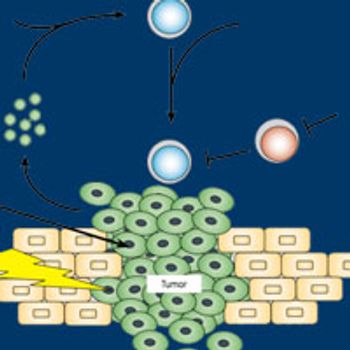
Promising reports of preclinical and early clinical data in 2016 are poised to further boost the development of rational combinations of OX40 agonists with checkpoint immunotherapies, surgical resection, radiotherapy, and even the potential for 3-drug cocktails.
In an OncLive Peer Exchange® panel, experts discussed novel cytotoxic and targeted agents in the pipeline that are likely to provide new options for treating certain individuals with acute myeloid leukemia.
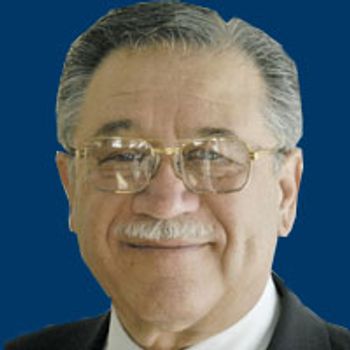
Richard R.P. Warner, MD, discusses the key learnings and insights of 60 years of studying, diagnosing, and treating patients with neuroendocrine tumors and carcinoid syndrome.

Despite advances in the oncology field, venous thromboembolism remains a significant problem for patients with cancer.

A brain tumor research group at the UW Carbone Cancer Center focuses on biological studies of patient-derived glioblastoma multiforme (GBM) cancer stem cells, combined with analysis of patient-matched serum-cultured GBM and an annotated GBM tissue microarray, to identify clinically relevant biomarkers.
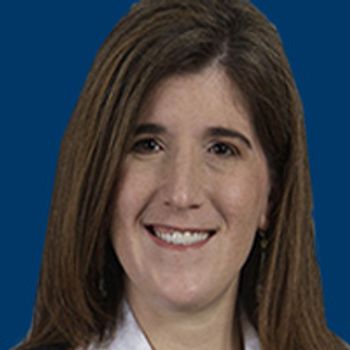
A novel targeted therapy, mirvetuximab soravtansine (IMGN853), is being investigated as a single-agent treatment for patients with advanced, platinum-resistant epithelial ovarian cancer with medium and high expression levels of folate receptor-alpha in an effort to provide an effective option for a population facing a difficult prognosis.

Evidence continues to build for the long-term efficacy of PD-1-targeting immunotherapies in melanoma, including fresh data indicating when patients can stop taking the drugs and still maintain a response.
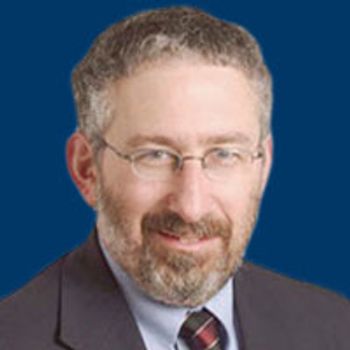
Certain components of the cancer care continuum have the potential to favorably impact the rapidly encroaching crisis in cancer care costs at the societal level.