
Press Release
Evaluating tumor’s genomic profile enables patients to receive more targeted and customized treatment, as well as increased eligibility for clinical trials.
Press Release
Evaluating tumor’s genomic profile enables patients to receive more targeted and customized treatment, as well as increased eligibility for clinical trials.
Peter Voorhees, MD, discusses developments in the efficacy and application of proteasome inhibitors for patients with newly diagnosed multiple myeloma.
Cindy Varga, MD, discusses several exciting clinical trials at the Levine Cancer Institute for patients with relapsed/refractory multiple myeloma with acquired resistance to BCMA-directed therapy.
Barry Paul, MD, discusses the emerging benefits of integrating CAR T-cell therapy into treatment paradigms for patients with relapsed/refractory multiple myeloma.
Peter Voorhees, MD, highlights important topics that his colleagues discussed at the meeting, including the important role of up-front autologous stem cell transplant and distinct adverse effects to be aware of when using different CAR T-cell therapies.
Shebli Atrash, MD, discusses the development and current use of BCMA-targeted antibody-drug conjugates and CAR T-cell therapies for the treatment of patients with multiple myeloma.
Peter Voorhees, MD, discusses key points from his presentation on proteasome inhibitors in multiple myeloma and positive data with the agents in the transplant-eligible and transplant-ineligible populations.

Barry Paul, MD, discusses the management of cytokine release syndrome and immune effector cell–associated neurotoxicity syndrome following CAR T-cell therapy in cancer care.
Promising safety and efficacy results were observed with the novel bispecific antibody ABBV-383 in patients with heavily pretreated relapsed or refractory multiple myeloma.
Dr Ghosh discusses the FDA approval of lisocabtagene maraleucel in large B-cell lymphoma, pivotal efficacy and safety data from the phase 3 TRANSFORM trial (NCT03575351) and the phase 2 TRANSCEND-PILOT-017006 study (NCT03483103), and the effect of the approval on academic and community center practice patterns.
Daniel R. Carrizosa, MD, MS, discusses the design and important efficacy and safety findings from CRESTONE trial evaluating seribantumab and the importance of finding a targeted therapy for patients with solid tumors harboring NRG1 fusions.
Nilanjan Ghosh, MD, PhD, discusses the low toxicity levels with lisocabtagene maraleucel that were seen in patients with relapsed/refractory large B cell lymphoma in the phase 3 TRANSFORM trial.

Antoinette R. Tan, MD, MHSc, discusses the potential of the oral selective estrogen receptor degrader elacestrant being investigated in the phase 3 EMERALD trial in estrogen receptor–positive breast cancer.
Daniel Carrizosa, MD, MS, discusses the efficacy findings of the phase 2 CRESTONE trial in patients with NRG1 fusion–positive, advanced solid tumors.

New treatment methods in patients with small cell lung cancer and non–small cell lung cancer are on the horizon, with the introduction of combination immunotherapy, biomarker assays, and supportive oncology programs for patients and care partners.
Jubilee Brown, MD, discusses the benefits of minimally invasive surgery in ovarian cancer.
Jubilee Brown, MD, discusses recent developments and upcoming trials exploring minimally invasive surgery in ovarian cancer.
The FolRα-targeted antibody-drug conjugate STRO-002 was found to elicit encouraging responses in heavily pretreated patients with advanced ovarian cancer.

Jubilee Brown, MD, discusses the promise of the phase 2/3 ROCSAN trial in recurrent gynecologic carcinosarcomas.
Jubilee Brown, MD, discusses the utility of PARP inhibitors in patients with recurrent platinum-sensitive ovarian cancer.

R. Wendel Naumann, MD, discusses the evolution of immunotherapy in endometrial cancer.
Jubilee Brown, MD, discusses the clinical implications of the phase 3 PRIMA trial in advanced ovarian cancer.
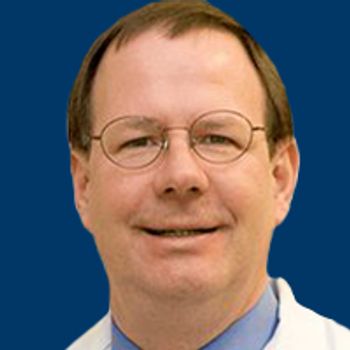
Immunotherapy is emerging as a preferred second-line treatment option for patients with gynecologic cancers, including endometrial and cervical cancer. Checkpoint inhibitors may also be preferred to chemotherapy in the frontline or adjuvant settings based on improved efficacy.
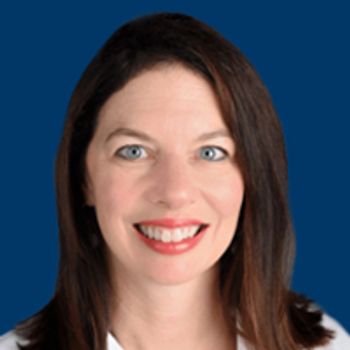
Jubilee Brown, MD, contextualizes updates in endometrial cancer and cervical cancer, frontline and second-line maintenance, and novel immune-oncology combination strategies in ovarian cancer.

Matthew C. Ward, MD, discusses the benefits of delaying salvage therapy in prostate cancer.
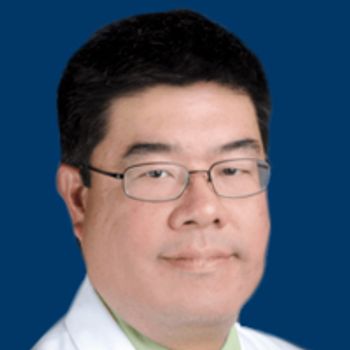
Jimmy Hwang, MD, discusses the frontline indications for checkpoint inhibitors in gastric cancer and their effect on subsequent treatment decisions, the growth of targeted therapy across gastrointestinal cancers, and expectations for future research and development.
Jimmy Hwang, MD, discusses considerations for second-line treatment in gastric/gastroesophageal junction cancer.
Earle Burgess, MD, discusses the need for improved biomarkers for PARP inhibitors in prostate cancer.
Earle Burgess, MD, discusses future directions with PARP inhibitors in prostate cancer.
Matthew C. Ward, MD, discusses when to consider adding systemic therapy to radiation therapy in prostate cancer.