
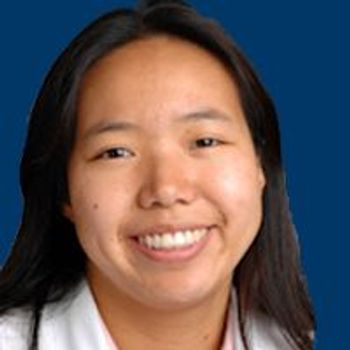
Joyce F. Liu, MD, MPH, provides insights on WEE1 which has emerged as a potentially targetable pathway in high-grade serous ovarian cancer.
Joyce F. Liu, MD, MPH, provides insights on WEE1 which has emerged as a potentially targetable pathway in high-grade serous ovarian cancer.

Patrick Ott, MD, PhD, discusses the investigation of cancer vaccines, highlighting the clinical implications of this treatment modality in melanoma.

Eliezer Van Allen, MD, discusses immuno-oncology in relation to precision cancer medicine.
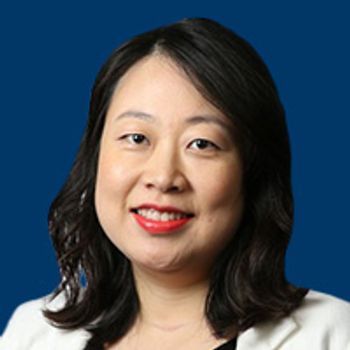
Haeseong Park, MD, MPH, discusses findings from a phase 1 study of epacadostat with preoperative chemoradiation in locally advanced rectal cancer.

Rebecca Porter, MD, PhD, discusses mirvetuximab soravtansine plus pembrolizumab in serous endometrial cancer and future directions for ADCs in the space.
Joyce F. Liu, MD, MPH, discusses the role of Wee1 in cell cycle regulation and the rationale for targeting this protein in ovarian cancer.
Joaquim Bellmunt, MD, PhD, discusses treatment with enfortumab vedotin plus pembrolizumab in patients with urothelial carcinoma in the community setting.
Following the consensus that the risk-benefit assessments for the proposed indications for cilta-cel and ide-cel were favorable during the March 15, 2024, FDA ODAC meeting, both BCMA-targeted CAR T-cell therapies received approvals moving them up in the treatment paradigm for relapsed or refractory multiple myeloma.
Joaquim Bellmunt, MD, PhD, discusses the impact of enfortumab vedotin plus pembrolizumab on the treatment paradigm in first-line urothelial cancer.
Press Release
Physician-scientists at Dana-Farber Cancer Institute have received a 5-year, $15 million Program Project Grant from the NCI for research in endometrial cancer

Leland Metheny, MD, discusses how agents such as Iomab-B have potential to shift practice in the hematologic malignancy space.
Treatment with acalabrutinib-based regimens led to long-term benefits in patients with higher-risk CLL, across all lines of therapy.
Leland Metheny, MD, discusses ongoing clinical trials and their implications for the field of hematologic oncology.
Joaquim Bellmunt, MD, PhD, discusses how the FDA approval of enfortumab vedotin plus pembrolizumab impacts the urothelial cancer treatment paradigm.
Kenneth C. Anderson, MD, discusses the recent FDA ODAC decision regarding the use of cilta-cel in relapsed/refractory multiple myeloma.

A survey of cancer survivors found that over a quarter had a physical disability impairing mobility and almost 10% had a disability affecting self-care.
Kenneth C. Anderson, MD, discusses the recent ODAC decisions for ide-cel and cilta-cel, highlighting clinical trial data supporting the indications.
In a survey, over 200 oncologists agreed on how AI can be responsibly integrated into patient care and how to protect patients from hidden biases of AI.
Paul G. Richardson, MD, speaks on the FDA’s decision to withdraw the approval of melflufen plus dexamethasone in multiple myeloma.
Belumosudil elicited sustained responses and generated no new safety signals in patients with chronic graft-vs-host disease.
The American Nurses Credentialing Center has awarded Magnet® status to Dana-Farber Cancer Institute for the 5th time in a row.

Haeseong Park, MD, MPH, discusses phase 1 results of epacadostat plus preoperative chemoradiation in locally advanced rectal cancer.
Experts from across the oncology field highlight their biggest takeaways and the hottest topics from the 2024 AACR Annual Meeting.
Jennifer R. Brown, MD, PhD, discusses how pirtobrutinib may address BTK inhibitor discontinuation in chronic lymphocytic leukemia.
Rebecca L. Porter, MD, PhD, discusses the evaluation of mirvetuximab soravtansine plus pembrolizumab in FRα-positive, pMMR/MSS endometrial cancer.

Dana-Farber details how their Neuro-Inclusive Oncology Care and Empowerment program was developed to help physicians and other providers treat cancer in patients who have intellectual and/or developmental disabilities.
Wenxin (Vincent) Xu, MD, discusses ongoing efforts to identify new biomarkers in metastatic renal cell carcinoma.
Press Release
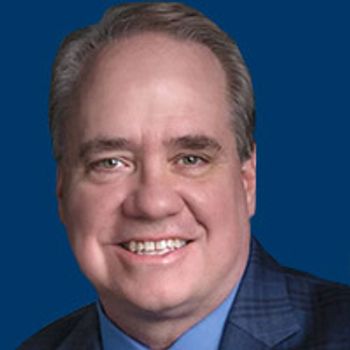
Scott Armstrong, MD, PhD, has been named senior vice president for drug discovery and chief research strategy officer at Dana-Farber Cancer Institute.
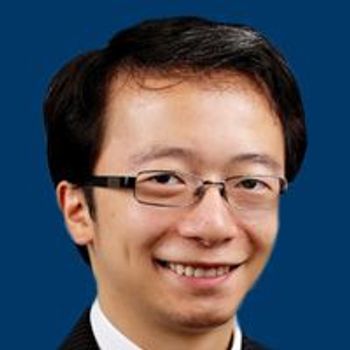
Wenxin (Vincent) Xu, MD, shares recent updates in the treatment of renal cell carcinoma, including insights into ongoing research and trials within the space.