
Press Release
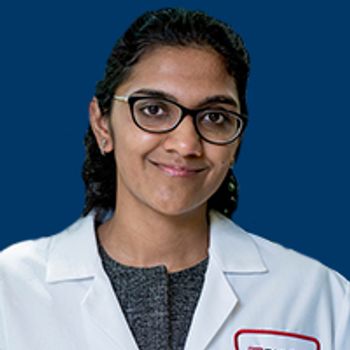
Fox Chase Cancer Center is pleased to announce the hiring of Maryam Ijaz Khan, MD, as an associate professor in the Division of Endocrinology.
Press Release
Fox Chase Cancer Center is pleased to announce the hiring of Maryam Ijaz Khan, MD, as an associate professor in the Division of Endocrinology.
Press Release
Edna “Eti” Cukierman, PhD, was been appointed chair-elect of the AACR Tumor Microenvironment Working Group at the AACR Annual Meeting 2023.
Press Release
Erin Longstreth-Papsun, RN, MSN, OCN, NEA-BC, clinical director of Ambulatory Satellite Clinics and Radiation Oncology Nursing at Fox Chase Cancer Center, was recently awarded the Excellence in Cancer Nursing Management Award by the Oncology Nursing Society (ONS).
Press Release
Fox Chase Cancer Center and Temple Health are kicking off National Donate Life Month with a Be The Match virtual event.
Press Release
Fox Chase Cancer Center and Temple Health are pleased to announce the hiring of Claire L. Streibert, MD, as site chief of breast imaging.

Martin Edelman, MD, and Linda Fleisher, PhD, MPH, discuss their role within the Stand Up To Cancer® 4-team initiative, focusing on diversity in early-phase clinical trials.
press release
A new study by Fox Chase Cancer Center scientists shows how DNA methylation can regulate the immune response in colorectal cancer, laying the groundwork for potential new treatments. .
press release
Researchers at Fox Chase Cancer Center have begun recruiting for a clinical trial called PRESERVE that will evaluate the safety and efficacy of the NanoKnife System to treat patients with intermediate-risk prostate cancer.
Press Release
John Karanicolas, PhD, co-leader of the Cancer Signaling and Microenvironment research program at Fox Chase Cancer Center, was recently awarded a $1 million grant from the W.M. Keck Foundation to develop a platform that could assist in the development of new drugs.
Press Release
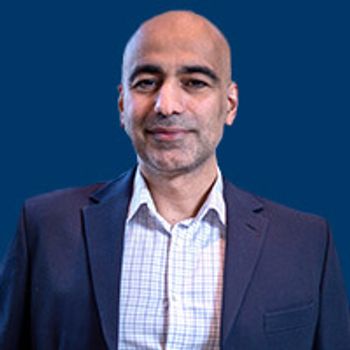
Cihangir Duy, PhD, MS, an assistant professor in the Nuclear Dynamics and Cancer research program and a member of the Cancer Epigenetics Institute at Fox Chase Cancer Center, has been awarded an American Society of Hematology 2023 Junior Faculty Scholar Award in basic/translational research.
Press Release
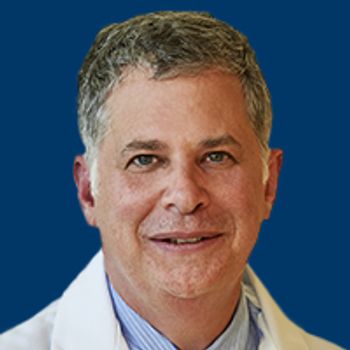
Researchers at Fox Chase Cancer Center were recently awarded a $550,000 grant from Stand Up To Cancer (SU2C) to fund a new project, “Accelerating and Diversifying Access to Clinical Trials.”
Press Release
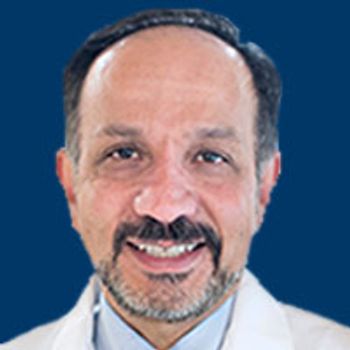
Fox Chase Cancer Center physicians Hossein Borghaei, DO, MS, and Elizabeth Plimack, MD, MS, have been named to the 2022 list of Highly Cited Researchers by Clarivate.

Press Release
To synthesize advancements in the detection, treatment, and prevention of kidney cancer and summarize their effects globally, Fox Chase Cancer Center Urologic Oncology Fellow Laura Bukavina, MD, MPH, spearheaded a recent review on the topic.
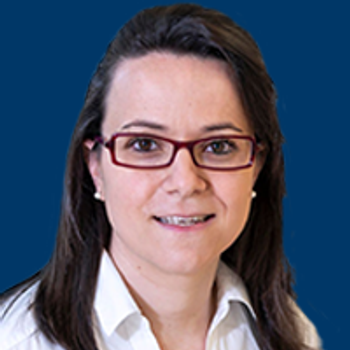
The Lewis Katz School of Medicine at Temple University and Fox Chase Cancer Center are pleased to announce the hiring of Lucia Borriello, PhD, as an assistant professor in the Department of Cancer and Cellular Biology at Temple.
Press Release
Fox Chase Cancer Center is pleased to announce the hiring of Lindsey B. Taylor, MD, as an assistant professor in the Department of Hematology/Oncology and the Breast Cancer and Hematology Programs.

Press Release
Joining a list of over 100 previous orators, Robert Uzzo, MD, MBA, FACS, president and CEO of Fox Chase Cancer Center, delivered the Rhoads Oration for the Philadelphia Academy of Surgery this month at The College of Physicians of Philadelphia.
Billy Truong, a doctoral candidate at Fox Chase Cancer Center, was awarded the American Society of Hematology Abstract Achievement Award for a poster that he presented at the 64th ASH Annual Meeting and Exposition.
Press Release
A study published by researchers at Fox Chase Cancer Center suggests that race itself may predict disparate outcomes between patients with head and neck cancer.
Press Release
It’s long been known that DNA damage caused by environmental triggers, as well as other sources of oxidative stress, contribute to the development and progression of a wide variety of cancers.
Press Release
Two Fox Chase Cancer Center researchers have received $75,000 grants from the Kidney Cancer Association to pursue studies that could improve kidney cancer treatment and care.

Press Release
Robert Uzzo, MD, MBA, FACS, has been formally named president and chief executive officer of Fox Chase Cancer Center following a period of interim leadership.

Fox Chase Cancer Center is pleased to announce the hiring of Charnita Zeigler-Johnson, PhD, MPH, as Associate Director of Community Outreach and Engagement.
Press Release
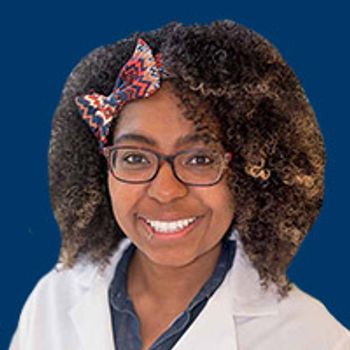
Jaye Gardiner, PhD, a postdoctoral fellow at Fox Chase Cancer Center, was recently awarded the Merton Bernfield Memorial Award from the American Society for Cell Biology, making her one of 18 scientists from across the country to be recognized for their achievements in the life sciences.
Press Release
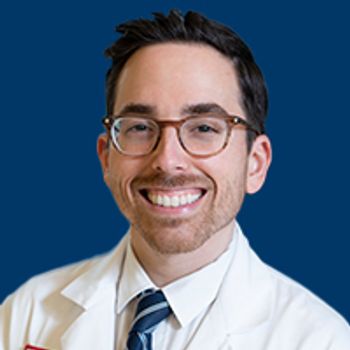
Fox Chase Cancer Center is pleased to announce the hiring of Anthony M. Villano, MD, as a clinical instructor in the Department of Surgical Oncology.
Press Release
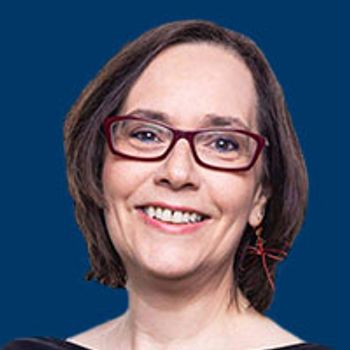
In a recent study, researchers at Fox Chase Cancer Center demonstrated how cancer cells can survive in the body even when faced with a lack of sufficient nutrition, a finding that could be used as a potential indicator of disease status in the organs of pancreatic cancer patients.
Press Release
Researchers at Fox Chase Cancer Center have discovered that the drug efflux pump MDR1 promotes resistance to a promising new class of drugs called PROTACS—proteolysis-targeting chimeras.
Drs Bekaii-Saab, George, and von Mehren discuss patient-reported outcomes from the INTRIGUE trial, the rationale for a phase 1/2 study investigating DCC-3116 in patients with RAS or RAF–mutated solid tumors, and how vimseltinib may alleviate unmet needs in the tenosynovial giant cell tumors population.
With two highly selective and active RET inhibitors approved for use in patients with metastatic RET alteration–positive non–small cell lung cancer, the dilemma is not determining which agent to select but ensuring that next-generation sequencing is done up front and in the presence of acquired resistance.
Twelve years after key research into immune checkpoint inhibitor therapy first made a splash at the American Society of Clinical Oncology Annual Meeting, evidence continues to mount that supports the durability of these agents in a range of cancers.
Multiple FDA-approved frontline immunotherapy options have continued to shape the treatment paradigm in non–small cell lung cancer. Additionally, more knowledge regarding the effects of immunotherapy on certain driver mutations has helped drive therapy decisions across lines of treatment.