
Frederick L. Locke, MD, discusses the ongoing ZUMA-2 trial investigating axi-cel for patients with mantle cell lymphoma.
Frederick L. Locke, MD, discusses the ongoing ZUMA-2 trial investigating axi-cel for patients with mantle cell lymphoma.
Hung T. Khong, MD, medical oncologist, Moffitt Cancer Center, discusses the use of neoadjuvant endocrine therapy.
Heather S. Han, MD, research director, medical oncologist, Department of Breast Oncology, Moffitt Cancer Center, discusses the differences between CDK 4/6 inhibitors, and their efficacy as both single- and combination agents.
Jonathan R. Strosberg, MD, discusses ongoing advances and challenges in the treatment of patients with NETs.
Jonathan R. Strosberg, MD, associate professor, Moffitt Cancer Center, discusses the development of radiolabeled somatostatin analogs in the treatment of patients with gastroenteropancreatic neuroendocrine tumors (GEP-NETs).
Frederick L. Locke, MD, discusses the initial data for axicabtagene ciloleucel (axi-cel; Yescarta) plus atezolizumab (Tecentriq) in diffuse large B-cell lymphoma, and reflected on the long-term survival data from the ZUMA-1 trial.
Jonathan Strosberg, MD, associate professor, Moffitt Cancer Center, discusses the FDA approval of Lutathera (177Lutetium DOTA-octreotate) as a treatment for patients with gastroenteropancreatic neuroendocrine tumors (GEP-NETs).
Bijal D. Shah, MD, medical oncologist, Moffitt Cancer Center, comments on the toxicities associated with using chimeric antigen receptor (CAR) T-cell therapy in patients with leukemia.
Bijal D. Shah, MD, medical oncologist, Moffitt Cancer Center, discusses treatment for patients with p53-mutated mantle cell lymphoma (MCL).
Julio Chavez, MD, of the Department of Malignant Hematology at Moffitt Cancer Center, discusses the potential with the combination of ibrutinib (Imbruvica) and ublituximab (TGR-1101) in patients with chronic lymphocytic leukemia (CLL).
Bijal D. Shah, MD, medical oncology, Moffitt Cancer Center, discusses the potential with venetoclax (Venclexta) in patients with mantle cell lymphoma (MCL).
Julio Chavez, MD, of the Department of Malignant Hematology at Moffitt Cancer Center, shares his advice for oncologists treating patients with chronic lymphocytic leukemia.
Julio Chavez, MD, of the Department of Malignant Hematology at Moffitt Cancer Center, discusses ibrutinib (Imbruvica) plus venetoclax (Venclexta) in chronic lymphocytic leukemia.
Bijal D. Shah, MD, medical oncology, Moffitt Cancer Center, discusses a therapeutic option on the horizon for patients with mantle cell lymphoma (MCL) who are intolerant to ibrutinib (Imbruvica).
Julio Chavez, MD, of the Department of Malignant Hematology at Moffitt Cancer Center, discusses the ongoing efficacy but also challenges with ibrutinib (Imbruvica) as treatment for patients with chronic lymphocytic leukemia (CLL).
Kendra Sweet, MD, discusses the various factors that must be taken into account when prescribing first-line therapies to patients with CML, novel studies, and TKI discontinuation.
Rachid Baz, MD, discusses the change in risk factors for select treatments, the impact of daratumumab, and current sequencing questions in multiple myeloma.
Julio Chavez, MD, discusses the current state of CLL and emerging regimens moving through the pipeline.
Mohamed Kharfan-Dabaja, MD, discusses the future of PNH treatment, the various symptoms that can present in PNH, and the challenges that still remain for further improving outcomes.
Bijal D. Shah, MD, medical oncology, Moffitt Cancer Center, discusses some of the emerging developments on the horizon in mantle cell lymphoma (MCL).
Bijal D. Shah, MD, medical oncology, of Moffit Cancer Center, explains why chimeric antigen receptor (CAR) T-cell therapy has shown the most progress in acute lymphoblastic leukemia (ALL).
Bijal D. Shah, MD, discusses the current treatment paradigm of MCL, what therapies are moving through the pipeline at a rapid rate, the potential benefit with CAR T-cell therapy, and pivotal biomarker studies currently being conducted.
Kenneth H. Shain, MD, PhD, assistant member, Moffitt Cancer Center, discusses emerging agents in multiple myeloma.
Jonathan R. Strosberg, MD, associate professor, Moffitt Cancer Center, shares his insight on the current field of neuroendocrine tumors (NETs).
Bijal D. Shah, MD, medical oncology, of Moffit Cancer Center, discusses the status of chimeric antigen receptor (CAR) T-cell therapy in acute lymphoblastic leukemia (ALL).
Rachid Baz, MD, hematologist and medical oncologist, Moffitt Cancer Center, discusses how treatment approaches vary for patients with multiple myeloma.
Jonathan Strosberg, MD, medical oncologist, Department of Gastrointestinal Oncology, section head, Neuroendocrine Division, chair, Gastrointestinal Department Research Program, Moffitt Cancer Center, discusses trials in neuroendocrine tumors (NETs).
Jonathan R. Strosberg, MD, associate professor, Moffitt Cancer Center, discusses the challenges associated with treating neuroendocrine tumors (NETs).
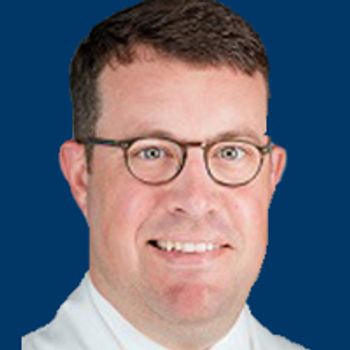
John E. Mullinax, MD, discusses isolated limb infusion as a limb salvage strategy for locally advanced extremity sarcoma.
Jonathan Strosberg, MD, discusses the overall findings of the NETTER-1 trial and the quality of life analysis in patients with midgut neuroendocrine tumors.