
Treatment with CPX-351 led to a relative improvement in induction response of over 40% compared with conventional 7+3 cytarabine/daunorubicin in patients with secondary acute myeloid leukemia.
Treatment with CPX-351 led to a relative improvement in induction response of over 40% compared with conventional 7+3 cytarabine/daunorubicin in patients with secondary acute myeloid leukemia.

Nagi B. Kumar, PhD, Professor/Director, Cancer Chemoprevention, Moffitt Cancer Center, discusses the potential of green tea catechins for the prevention of prostate cancer.

To better understand the impact of the EORTC 18071 trial, the chances of approval in the adjuvant setting, and the challenges concerning the dosage and toxicity with ipilimumab, OncLive spoke with the study's lead author Jeffrey S. Weber, MD, PhD.
Eric Haura, MD, senior member, Moffitt Cancer Center, discusses new approaches to identifying bypass signaling mechanisms and biomarkers in lung cancer.

In an interview with OncLive, Jeffrey S. Weber, MD, PhD, discussed combinations currently in development for patients with advanced metastatic melanoma, and key considerations in employing the new therapies in clinical practice.
Rami S. Komrokji, MD, clinical director, Hematologic Malignancies, Moffitt Cancer Center, discusses optimizing the management of treatment for myelodysplastic syndrome (MDS).
Eduardo Sotomayor, MD, the Susan and John Sykes Endowed Chair in Hematologic Malignancies at Moffitt Cancer Center, discusses how personalized medicine may eventually help with preventing cancer.

In an interview with OncLive, Bijal D. Shah, MD, discussed some new targeted agents for MCL and exactly how the treatment paradigm is poised to change for patients.

Bijal D. Shah, MD, medical oncology, Moffitt Cancer Center, discusses the impact of the approval of frontline bortezomib for the treatment of mantle cell lymphoma (MCL).
Jeffrey Weber, MD, PhD, a senior member at the Moffitt Cancer Center, discusses the significance of molecular testing for patients with melanoma and when testing should occur.
To gain insight on the integration of these agents and other immunotherapies into clinical practice, OncLive interviewed Jeffery S. Weber, MD, PhD, a senior member at Moffitt Cancer Center in Tampa, Florida.
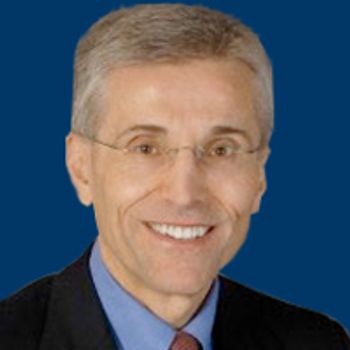
The FDA has approved the PD-1 inhibitor nivolumab for patients with unresectable or metastatic melanoma following treatment with ipilimumab or a BRAF inhibitor.

Those of us who have treated patients with breast cancer for any extended period of time can likely share anecdotes about watching the treatment of this disease evolve to levels many of us could only have imagined when we began practicing.

Immunotherapy is rapidly emerging as a very attractive and novel therapeutic approach for cancer, including for glioblastoma multiforme (GBM), the most common primary malignant brain tumor in adults.

Two of North America's leading cancer centers announced what is likely the largest collaboration of its kind to accelerate discoveries in cancer research.

A 10-year follow-up study of regional melanoma staging strategies found that patients who underwent sentinel-node biopsies had significantly greater disease-free survival rates (DFSRs) compared with patients monitored through nodal observation.
Rami S. Komrokji, MD, clinical director, Hematologic Malignancies, Moffitt Cancer Center, discusses an analysis of pacritinib for the treatment of myelofibrosis.

Every patient with a pancoast tumor of the lung should be evaluated by a Pancoast-experienced thoracic surgeon (and neurosurgeon) before ruling out surgery, and before starting induction therapy.

During the past decade, several oral tyrosine kinase inhibitors targeting the vascular endothelial growth factor have been approved for the first-line treatment of metastatic renal cell carcinoma.

Awake craniotomies are traditionally reserved for, but not limited to, tumors involving the primary motor and speech areas

A novel imaging technology was able to determine four days after treatment that experimental therapies for sarcoma were fighting the cancer in xenograft models
Adjuvant therapy for patients with advanced melanoma and the optimal use of molecular testing are among the most pressing issues facing oncologists who treat patients diagnosed with the disease.

Vernon K. Sondak, MD, chair of the Department of Cutaneous Oncology at Moffitt Cancer Center, discusses the use of ipilimumab in the adjuvant setting for patients with melanoma.

After decades with few available therapies, a flurry of FDA drug approvals has provided oncologists with a variety of options for treating patients with advanced melanoma.
Jeffrey S. Weber, MD, PhD, medical oncologist, Moffitt Cancer Center, discusses the immunologic activities of targeted agents for the treatment of melanoma.

Anthony M. Magliocco, MD, chair of pathology, executive director of esoteric labs at Moffitt Cancer Center, discusses the difficulties of analyzing the genome of melanoma tumors.

Molecular testing and novel therapies have revolutionized the management of metastatic melanoma in recent years.
Ragini Kudchadkar, MD, assistant professor, medical oncology, Moffitt Cancer Center, discusses testing for melanoma.

Prostate cancer is the most common cancer and second leading cause of cancer mortality in American men. Nevertheless, it is estimated that only 3% of the patients will die because of their cancer, while the majority will die of competing causes.
Jeffrey S. Weber, MD, PhD, medical oncologist, Department of Cutaneous Oncology, director, Donald A. Adam Comprehensive Melanoma Research Center, Moffitt Cancer Center, discusses testing for genetic mutations in patients with melanoma.