
Tycel Jovelle Phillips, MD, discusses the future of CAR T-cell therapy in mantle cell lymphoma patients.
Tycel Jovelle Phillips, MD, discusses the future of CAR T-cell therapy in mantle cell lymphoma patients.
Tycel Jovelle Phillips, MD, discusses the next steps in evaluating the combination of venetoclax, lenalidomide, and rituximab in mantle cell lymphoma.
Tycel Jovelle Phillips, MD, discusses the toxicity profile of the combination of venetoclax, lenalidomide, and rituximab in mantle cell lymphoma.
Caroline Farrington, PhD, discusses the importance of genetic testing in colorectal cancer.
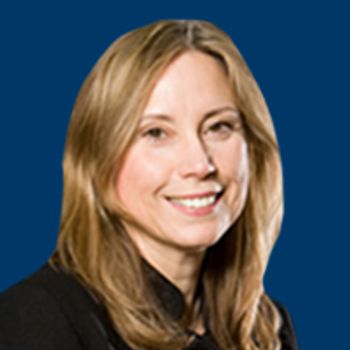
Sofia D. Merajver, MD, PhD, discusses the importance of germline testing in patients with breast and ovarian cancer along with how this testing is being used to personalize treatment.
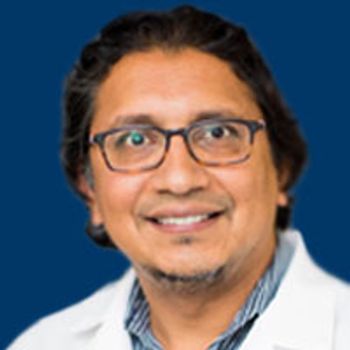
Goutham Narla, MD, PhD, discusses the revolution of genetic testing and how it has led to more accurate and widespread assays for patients with cancer.
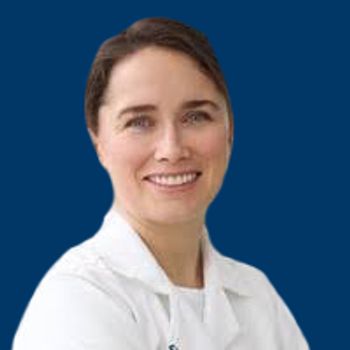
Caroline Farrington, PhD, shares her insight as both a researcher and a cancer survivor on the importance of patient advocacy, as well as the proper resources to aid patients through a cancer diagnosis.
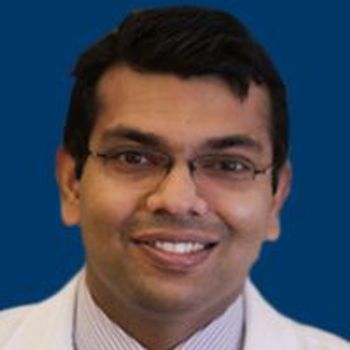
Ajjai Shivaram Alva, MBBS, discusses the role of PARP inhibitors in prostate cancer, the importance of germline testing, and the need for personalized medicine.
Ulka N. Vaishampayan, MBBS, FAB, discusses the safety of tivozanib versus sorafenib in advanced renal cell carcinoma.

Ulka N. Vaishampayan, MBBS, FAB, discusses the potential of tivozanib in advanced renal cell carcinoma.
Ajjai Shivaram Alva, MBBS, highlights ongoing advances made in the treatment of patients with metastatic renal cell carcinoma.
Shirish M. Gadgeel, MD, MBBS, professor, University of Michigan Medicine, discusses the updated results of the phase III KEYNOTE-189 trial in metastatic nonsquamous non-small cell lung cancer (NSCLC).
Steven J. Katz, MD, discusses his study of patient reaction to surgeon recommendations about contralateral prophylactic mastectomy for patients with breast cancer.
David Arenberg, MD, associate professor, Department of Internal Medicine at the University of Michigan, discusses preliminary results of a low-cost intervention to improve tobacco cessation practices within a large university health system.
Shitanshu Uppal, MD, discusses a study of racial and ethnic disparities in guideline-based care for women with locally advanced cervical cancer and the need for a more comprehensive registry process.
Daniel Eidelberg Spratt, MD, assistant professor, radiation oncology, University of Michigan Health System, discusses the combination of immunotherapy and radiation in patients with prostate cancer.
A sharp decline has been observed in the overall rate of men receiving treatment for prostate cancer.
In the current treatment landscape of HPV-positive oropharyngeal squamous cell carcinoma, there is a significant lack of biomarkers to predict recurrence.
As genetic testing becomes increasingly available, there will be a growing gap between the wide availability of testing and the relative importance of results to treatment decisions.
Videos from the 5th International Adrenal Cancer Conference
Young women with breast cancer may decline, discontinue tamoxifen because of fertility concerns.
Alliance will share news about research and supportive care services.

While diagnostic tests play a critical role in physician decision making-particularly in oncology-questions remain regarding the clinical utility of some of these tests, as well as the validity of laboratory-developed tests.

Daniel Hayes, MD, was recently elected president of ASCO. OncLive sat down with him for a Q&A.
Despite being discovered more than 150 years ago, tumor cells present in the blood of patients with cancer are only now inspiring significant research efforts. Technological advancements have allowed the isolation and enrichment of these rare cells and, as potential metastatic "emissaries," they have significant potential for improving the detection and treatment of advanced and possibly even early-stage disease.
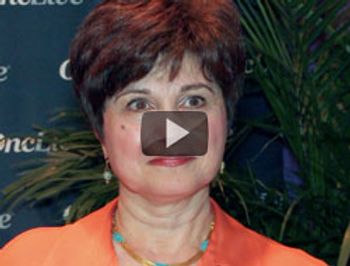
Maha H. Hussain, MBChB, from the University of Michigan Comprehensive Cancer Center, explains that care should be multi- and interdisciplinary, in order to provide the best possible outcomes.

Prostate cancer that emerges when a man is 55 years of age or younger is a distinct phenotype of the disease, and should be treated and researched accordingly,
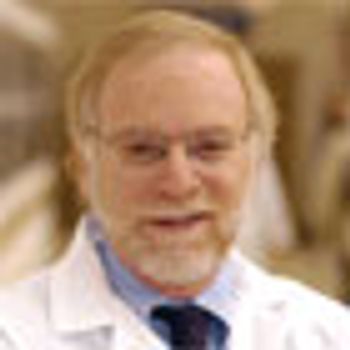
Max S. Wicha, MD, is an internationally renowned research expert in the field of breast oncology. His lab was part of the first team to discover stem cells in breast cancer, and he is among the most highly cited investigators in the field of cancer stem cells.

The U-M Comprehensive Cancer Center in Ann Arbor offers diagnostic, treatment, and support services while serving as a model for other branches of the U-M Health System and for academic peer organizations nationwide.