Clinical Brief: Treatment Sequencing in HER2+ Metastatic Breast Cancer
Key Themes:
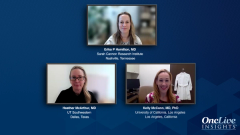
- Case Presentation: 52-year-old woman with initially early-stage HER2+ breast cancer (estrogen receptor/progesterone receptor+) who achieved pathologic complete response with neoadjuvant therapy but developed metastatic disease 18 months later
- Initial Metastatic Treatment: Patient received docetaxel, trastuzumab (Herceptin; H) and pertuzumab (Perjeta; P), followed by maintenance HP with endocrine therapy
- Disease Progression: After 14 months, disease progressed in liver and bones, leading to consideration of trastuzumab deruxtecan as second-line therapy
Key Points for Physicians:
- Despite achieving pathologic complete response, patients with HER2+ disease may still develop metastatic disease
- Brain MRI at diagnosis of metastatic disease should be considered, especially with widespread disease
- First-line therapy typically includes taxane with trastuzumab and pertuzumab followed by maintenance therapy
Notable Insights:
- The patient’s presentation highlights that achieving pathologic complete response does not guarantee cure
- The case demonstrates standard sequencing of treatment following current guidelines
- Consideration of systemic therapy change is appropriate after progression on first-line treatment
Clinical Significance:
Treatment sequencing in HER2+ metastatic breast cancer requires careful assessment of disease characteristics, prior treatments, and timing of recurrence, with evidence supporting a shift to trastuzumab deruxtecan upon progression after first-line therapy.