

Opinion|Videos|January 6, 2026
Comparing Zongertinib and Sevibertinib: Efficacy and Toxicity Considerations in Patients with HER2-Mutated NSCLC
Explore the latest insights on sevobertnib and zonertinib in treating HER2-mutated non-small-cell lung cancer, focusing on efficacy and toxicity differences.
Advertisement
Episodes in this series
This segment examines the positioning of sevibertinib in the context of established and emerging HER2-targeted therapies. The discussion begins with Dr. Patel reviewing the SOHO-01 trial, in which sevibertinib demonstrated impressive objective response rates, approximately 50% in treatment-naive patients and up to 65% in those previously treated. These data place sevibertinib’s efficacy in a similar range to zongertinib, prompting important questions about how to differentiate between the two TKIs.
Dr. Riess explains the mechanistic distinction: zongertinib is a HER2-selective inhibitor engineered to spare EGFR, whereas sevibertinib targets both EGFR and HER2. Although this dual activity may be biologically advantageous in some contexts, it also results in a higher incidence of EGFR-related toxicities, particularly diarrhea and GI intolerance. He notes that both agents appear comparably effective based on cross-trial observations, but the toxicity profile may drive clinical decision-making, especially for patients with baseline GI vulnerability or poor performance status.
The experts reinforce the importance of early and frequent toxicity monitoring during the first months of treatment. They describe team-based care models involving advanced practitioners, pharmacists, and close interval visits to ensure prompt dose adjustments and supportive care.
There is an emerging theme in the evolving HER2 landscape: with multiple active TKIs available, individual patient characteristics, tolerability considerations, and multidisciplinary support will increasingly shape therapeutic selection.
Advertisement
Related to this article

The FDA has approved pirtobrutinib for the treatment of adult patients with previously untreated CLL or SLL harboring no known 17p deletion.

By finding a way to attack the most important human oncogene, KRAS, the UCSF chemical biologist launched a new era in cancer treatment.

TRE-515 earned fast track status in combination with KRAS inhibitors for G12C-mutated NSCLC after anti–PD-(L)1 therapy and platinum-based chemotherapy.

An NDA for zipalertinib in EGFR exon 20 insertion–positive NSCLC is being supported by phase 3 REZILIENT3 data.
Did you catch all of this week's top oncology news? Test your knowledge with OncLive's Weekly News Quiz.
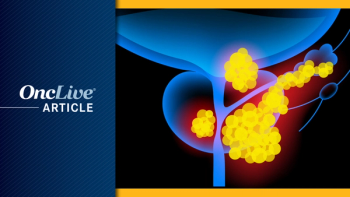
Aglatimagene besadenovec plus EBRT was linked to a 41% lower risk of prostate cancer recurrence or death, alongside durable immune activity.

In case you missed any, read a recap of the episodes of OncLive On Air that aired in September 2026.

Japan approved Optune Pax plus gemcitabine and nab-paclitaxel for unresectable locally advanced pancreatic cancer.
Advertisement
Advertisement
Trending on OncLive
1
Revisit Every OncLive On Air Episode From September 2026
2
Oral Azacitidine and Cedazuridine Meets Primary Pharmacokinetic End Point in MDS and CMML
3
Optune Pax Is Approved in Japan for Unresectable Locally Advanced Pancreatic Cancer
4
UTRxMYCN M1-14 Nets FDA Dual Designations in Soft Tissue Sarcoma
5