

Opinion|Videos|January 6, 2026
HER2 Therapies in Context: Approvals, Efficacy Signals, and Future Direction
Explore the latest advancements in HER2 testing and treatment strategies for non-small cell lung cancer, enhancing patient outcomes and options.
Advertisement
Episodes in this series
The experts review the clinical data shaping current treatment decisions for HER2-mutated NSCLC and how these data inform real-world sequencing strategies. Dr. Patel highlights results from early clinical development programs showing robust response rates for HER2-targeted TKIs, including frontline activity exceeding 70% in some studies. This underscores the transformative potential of precision therapeutics for a molecular subset historically lacking effective options.
Dr. Riess expands on the integration of HER2-directed therapies into practice, noting that multiple agents are now approved or in late-stage development. He discusses the complementary roles of zongertinib and T-DXd, describing their distinct toxicity profiles, such as interstitial lung disease/pneumonitis with ADCs and manageable GI or dermatologic toxicities with TKIs. Clinicians must proactively monitor patients, adjust doses early, and collaborate with allied health teams to ensure tolerability.
The segment also reviews the importance of molecular testing beyond initial diagnosis. HER2 amplification and overexpression are increasingly recognized as mechanisms of resistance to other targeted therapies, particularly EGFR TKIs. As such, post-progression biopsies and ctDNA testing are becoming more relevant for reassessing actionable drivers.
Finally, there is an ongoing need for clinical trial readouts to guide optimal sequencing. Although chemotherapy remains the current first-line standard in HER2-mutated disease, emerging evidence suggests that targeted therapies may eventually move earlier in the treatment course. Until definitive phase III data mature, clinicians must rely on a combination of evidence, experience, and multidisciplinary insight to determine the best approach.
Advertisement
Related to this article
The FDA has approved pirtobrutinib for the treatment of adult patients with previously untreated CLL or SLL harboring no known 17p deletion.

By finding a way to attack the most important human oncogene, KRAS, the UCSF chemical biologist launched a new era in cancer treatment.

TRE-515 earned fast track status in combination with KRAS inhibitors for G12C-mutated NSCLC after anti–PD-(L)1 therapy and platinum-based chemotherapy.

An NDA for zipalertinib in EGFR exon 20 insertion–positive NSCLC is being supported by phase 3 REZILIENT3 data.
Did you catch all of this week's top oncology news? Test your knowledge with OncLive's Weekly News Quiz.
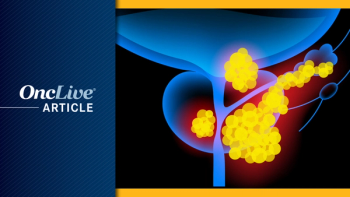
Aglatimagene besadenovec plus EBRT was linked to a 41% lower risk of prostate cancer recurrence or death, alongside durable immune activity.

In case you missed any, read a recap of the episodes of OncLive On Air that aired in September 2026.

Japan approved Optune Pax plus gemcitabine and nab-paclitaxel for unresectable locally advanced pancreatic cancer.
Advertisement
Advertisement
Trending on OncLive
1
Revisit Every OncLive On Air Episode From September 2026
2
Oral Azacitidine and Cedazuridine Meets Primary Pharmacokinetic End Point in MDS and CMML
3
Optune Pax Is Approved in Japan for Unresectable Locally Advanced Pancreatic Cancer
4
UTRxMYCN M1-14 Nets FDA Dual Designations in Soft Tissue Sarcoma
5